



Key Highlights
- Scott Bessent, Treasury Secretary, forecasts crude oil may drop to $40 per barrel following the conclusion of hostilities with Iran
- Brent crude was exchanging hands above $95 per barrel on Friday, approaching its peak level since July
- US 10-year bond yields reached their most elevated point since 2023 during this week’s trading
- The Treasury chief highlights an unprecedented correlation between crude prices and interest rates
- Norway’s massive sovereign wealth fund contemplates reducing American Treasury holdings by approximately $75 billion
In a Friday interview with Steve Bannon, Treasury Secretary Scott Bessent projected that oil prices might plummet to as low as $40 per barrel following the resolution of military tensions with Iran.
“Once we emerge from this Iran conflict, I anticipate oil will decline,” Bessent stated. He suggested markets might witness $50 or potentially $40 crude due to substantial new supply entering the market.
The Treasury Secretary provided no specific timeframe for when hostilities would cease. A Republican member of the House Armed Services Committee characterized the military operations as “stalled” earlier this week.
Currently, petroleum prices remain elevated. Brent crude traded above $95 per barrel Friday, hovering near its July peak. West Texas Intermediate stood around $91.
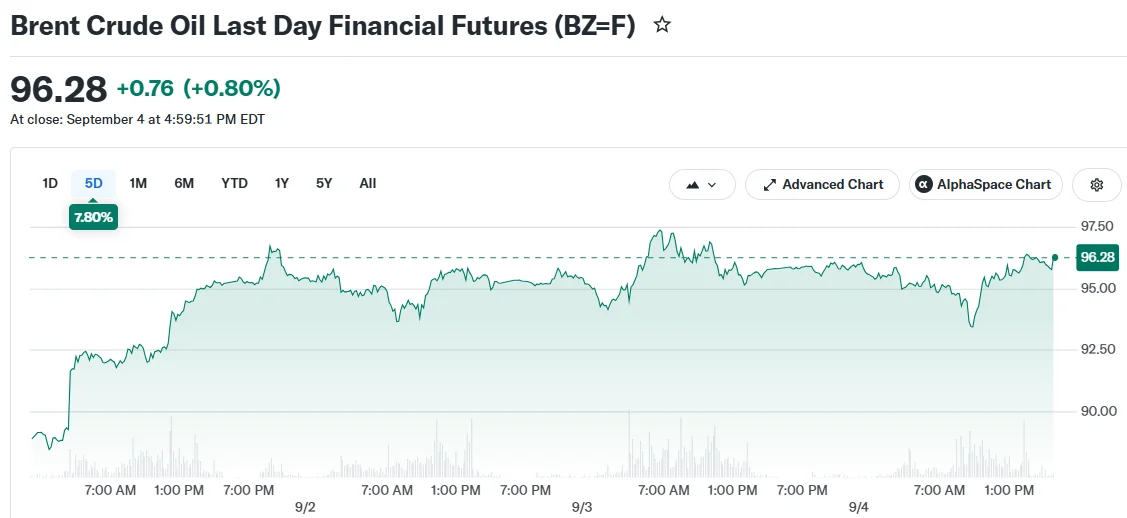
Energy prices surged following military exchanges between America and Iran earlier in the week. The spike in energy expenses has intensified inflation anxieties throughout international markets.
Treasury Yields Reach 2023 Peak Levels
Elevated petroleum prices have amplified inflation fears, subsequently driving bond yields upward. The 10-year US Treasury yield climbed to its highest level since 2023 this week.

Bessent emphasized that the relationship between crude prices and interest rates has reached historic levels. “When you examine the data, interest rates currently show their strongest correlation ever to oil prices,” he explained.
He anticipates that once Iranian hostilities conclude and oil declines, inflation will moderate and yields will follow downward. “The Iran conflict will conclude, interest rates and the surge in headline inflation will retreat,” he stated.
Federal debt recently surpassed $40 trillion, prompting concerns about investor demand for American government securities.
Norwegian Sovereign Fund Considers Treasury Reallocation
Norway’s sovereign wealth fund, among the world’s largest investment vehicles, is evaluating a reduction in its US Treasury positions. Bloomberg’s analysis suggests this transition could decrease holdings by approximately $75 billion.
Bessent dismissed worries about the portfolio adjustment. He explained that Norway’s fund is merely pursuing superior yields through alternative US instruments like Fannie Mae and Freddie Mac securities, which generally provide higher returns than Treasuries.
Fannie Mae and Freddie Mac are government-sponsored housing finance enterprises. Ginnie Mae represents an associated federal housing finance organization.
Bessent expressed endorsement for Norway’s investment strategy shift. “I am the strongest proponent of that approach,” he declared.
The Norwegian fund’s announcement arrived during a delicate period, as American government borrowing continues at unprecedented levels and financial markets monitor closely for any indication of diminishing appetite for US sovereign debt.
Get 3 Free Stock Ebooks
Discover top-performing stocks in AI, Crypto, and Technology with expert analysis.
- Top 10 AI Stocks - Leading AI companies
- Top 10 Crypto Stocks - Blockchain leaders
- Top 10 Tech Stocks - Tech giants


