



Key Highlights
- Bitcoin dropped 1.8% to approximately $62,853 following intensified U.S.-Iran military confrontation
- Military strikes occurred near the Strait of Hormuz, with Iran declaring the strategic waterway closed
- Crude oil prices surged approximately 4%, pushing WTI above $74 per barrel
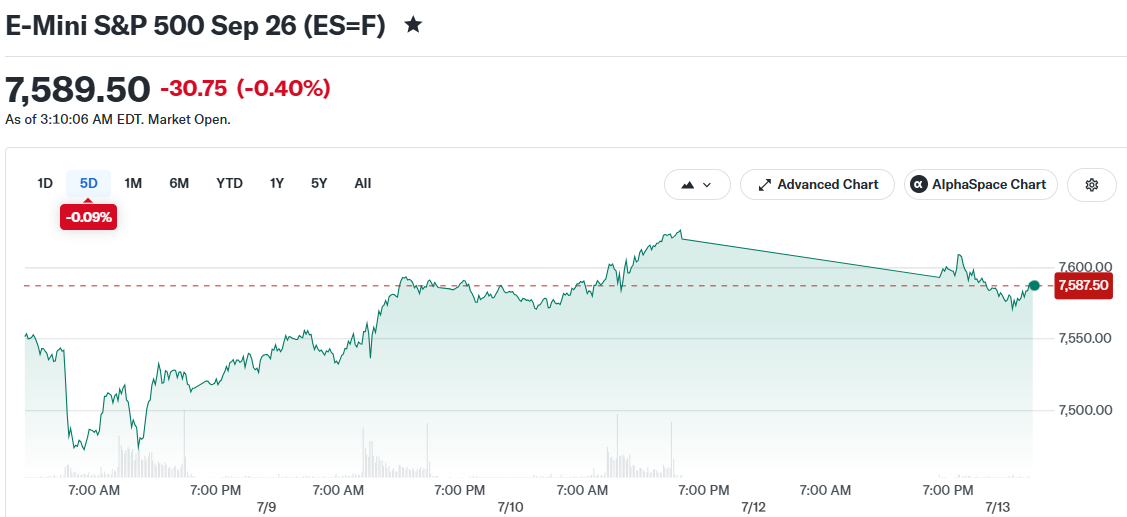
- Equity index futures declined, with Nasdaq-100 contracts down 1.24%
- Wall Street’s primary focus has pivoted to artificial intelligence capital expenditure despite geopolitical turbulence
Bitcoin tumbled beneath the $63,000 threshold on Monday as renewed military tensions between the United States and Iran sent shockwaves through financial markets, prompting investors to retreat from risk assets.
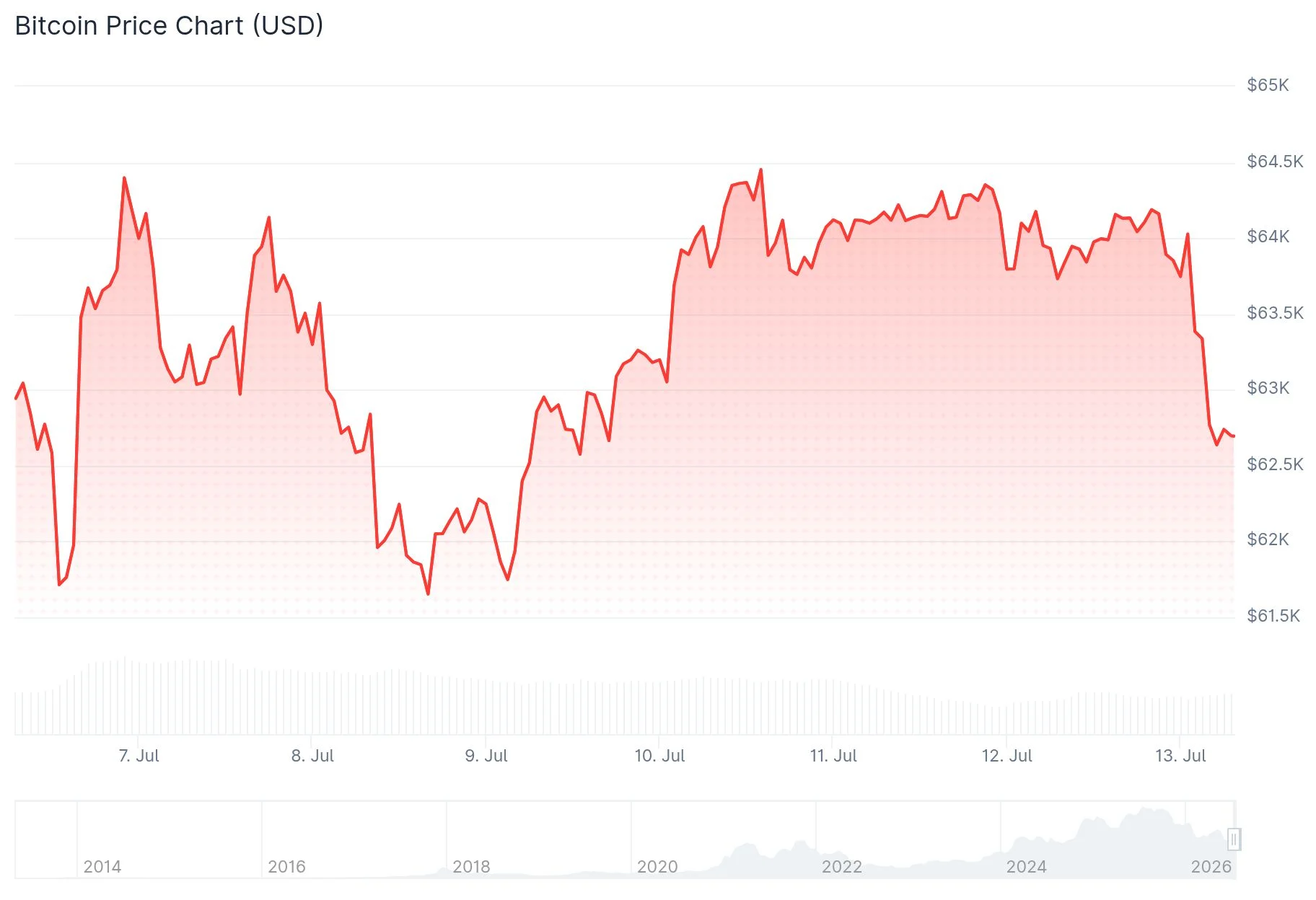
The leading digital currency by market capitalization declined 1.8% to $62,853, continuing its downward trajectory from the previous weekend.
Middle East Military Actions Trigger Risk Aversion
During the weekend, American military forces launched strikes against Iranian installations following an incident where a commercial container vessel was struck by what authorities suspect was an Iranian missile in the Strait of Hormuz region. According to U.S. Central Command, approximately 140 Iranian sites were targeted, including facilities used for launching missiles and unmanned aerial vehicles.
Tehran retaliated by deploying missiles and drones against locations across Bahrain, Oman, Kuwait, Qatar, and Jordan.
Iranian officials declared that the Strait of Hormuz had been closed to maritime traffic. American military officials challenged this assertion, with Centcom stating “Iran does not control the strait. Traffic is flowing.”

President Donald Trump acknowledged that the 60-day ceasefire arrangement has concluded, although international negotiators continue pursuing diplomatic resolutions.
Energy markets reacted swiftly to the developments. West Texas Intermediate crude increased by roughly 4% to exceed $74 per barrel. Brent crude similarly advanced approximately 4%, trading north of $79 per barrel.
Elevated energy prices heighten anxieties about inflation driven by fuel costs, potentially maintaining elevated borrowing costs. Increased interest rates generally diminish the attractiveness of non-income-generating assets such as cryptocurrencies.
Equity Futures Decline, Digital Assets Follow Suit
American stock index futures retreated during Sunday evening trading. Dow Jones Industrial Average futures decreased approximately 170 points, representing a 0.3% decline. S&P 500 futures slipped 0.42% while Nasdaq-100 futures contracted 1.24%.
The wider cryptocurrency marketplace experienced similar weakness. Ether decreased 1.1% to $1,783. XRP retreated 1.7%. Solana, Cardano, and BNB registered declines ranging from 0.2% to 3%. Dogecoin fell 1.2%, while $TRUMP declined 2.2%.
Bitcoin exchange-traded products have witnessed capital withdrawals for eight consecutive weeks, based on information from SoSoValue. Institutional demand for cryptocurrency assets has significantly diminished.
The Clarity Act, a highly anticipated digital asset legislation in Congress, has encountered delays, eliminating a potentially favorable catalyst for the industry.
Bitcoin continues trading roughly 50% beneath its October all-time high.
Artificial Intelligence Dominates Market Attention
Notwithstanding geopolitical developments, Wall Street’s concentration has transitioned toward artificial intelligence capital allocation.
Market analysts indicate that emphasis has shifted from energy concerns and military conflicts toward the AI investment trajectory. Expenditures on AI technology and earnings projections have emerged as the primary catalyst behind equity market appreciation this year.
The second-quarter corporate earnings reporting period commences this week. Major financial institutions release results Tuesday and Wednesday. Netflix and Taiwan Semiconductor Manufacturing publish earnings Thursday. Analysts project S&P 500 earnings growth of 23.6% for the quarter, according to FactSet data.
Federal Reserve Chair Kevin Warsh is scheduled to provide testimony before Congress this week. June’s Consumer Price Index data releases Tuesday, followed by the Producer Price Index on Wednesday. Economists will scrutinize both reports to assess inflationary pressures that existed prior to the recent oil market disruption.
Get 3 Free Stock Ebooks
Discover top-performing stocks in AI, Crypto, and Technology with expert analysis.
- Top 10 AI Stocks - Leading AI companies
- Top 10 Crypto Stocks - Blockchain leaders
- Top 10 Tech Stocks - Tech giants


