


TLDR
- The CFTC introduced Regulation CTX and Regulation CAM on Monday to regulate leveraged and margined cryptocurrency transactions.
- Direct spot trading of digital assets remains outside federal oversight and under state money transmission regulations.
- The agency retains enforcement authority over fraudulent activity and market manipulation in spot Bitcoin and Ethereum trading.
- These regulatory proposals emerge following the collapse of the Digital Asset Market Clarity Act in Congress.
- Leadership vacancies persist at both the CFTC and SEC, with nomination announcements pending from the White House.
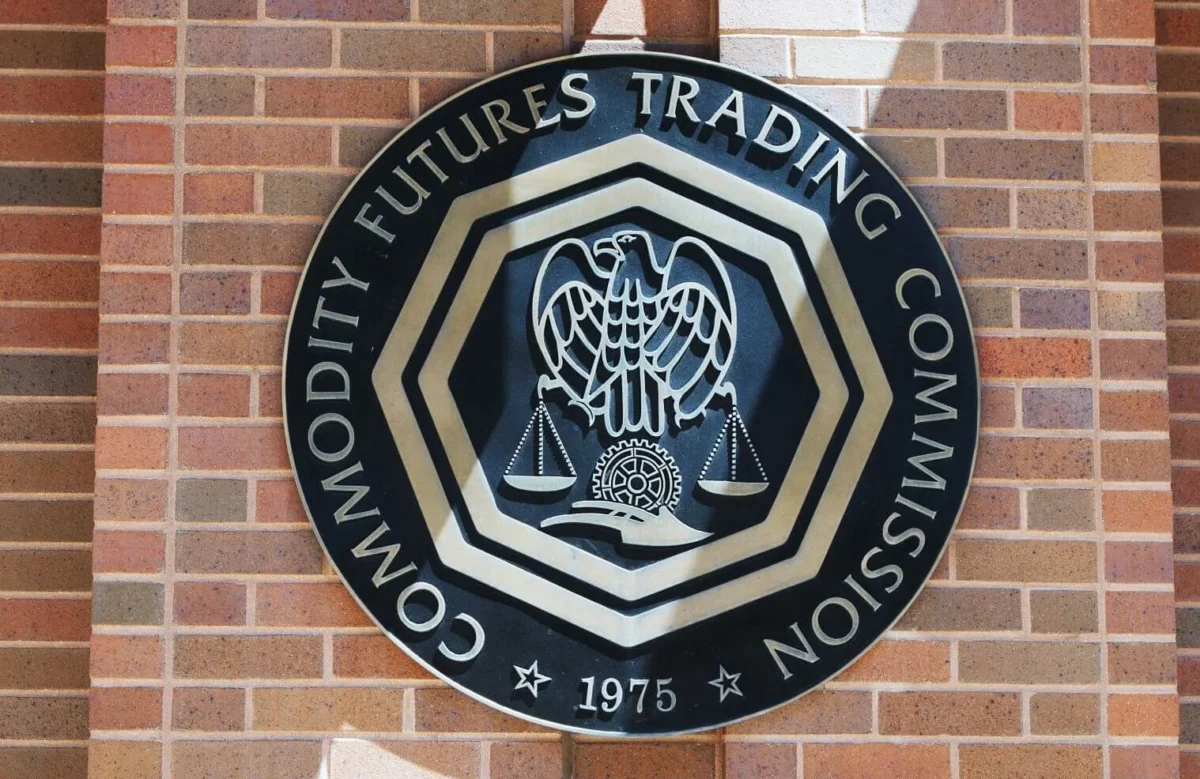
On Monday, the Commodity Futures Trading Commission unveiled a pair of regulatory frameworks designed to govern cryptocurrency trading activities involving leverage, margin requirements, or financing arrangements.
Chairman Mike Selig presented the proposals during Fordham Law’s Blockchain Regulatory Symposium, emphasizing the commission’s determination to proceed “with or without legislation” from federal lawmakers.
The regulatory package consists of Regulation CTX and Regulation CAM. CTX addresses cryptocurrency transactions executed using borrowed capital or margin facilities. CAM establishes a novel exchange registration category designated as a crypto asset market.
Scope of the Regulatory Framework
Digital asset platforms seeking to facilitate leveraged or margined trading operations may apply for registration as a crypto asset market. This classification represents a more limited alternative to the designated contract market designation currently held by platforms such as Coinbase and Crypto.com.
Chairman Selig described the initiative as providing trading venues with a uniform federal regulatory pathway. He characterized this approach as a departure from the enforcement-focused strategy employed by previous leadership.
Under the proposed framework, futures commission merchants must serve as intermediaries for qualifying transactions. This requirement integrates these activities with established anti-money laundering protocols mandated by the Bank Secrecy Act.

Certain transactions are eligible for exemption when asset delivery occurs within 28 days. This provision is commonly referred to as the “actual delivery” carve-out.
Regulatory Gap for Spot Trading
The commission continues to lack jurisdictional authority over immediate spot transactions in cryptocurrency markets. This encompasses the purchase and sale of digital tokens such as Bitcoin and Ethereum’s ether at prevailing market rates without leverage components.
Immediate spot transactions will remain governed by individual state money transmission statutes. Commission representatives clarified that the agency maintains enforcement capabilities against fraudulent schemes and market manipulation within these markets, despite the absence of comprehensive regulatory jurisdiction.
Officials acknowledged uncertainty regarding what proportion of trading activity will remain in spot markets versus migrating to CFTC-supervised platforms. They intend to collect additional data throughout a 60-day public feedback window.
These regulatory actions follow the Senate’s rejection of the Digital Asset Market Clarity Act last month. That legislative measure sought to grant the CFTC expanded statutory authority over cryptocurrency markets.
Following the bill’s failure, the commission is leveraging its existing statutory powers under the Commodity Exchange Act. The regulatory approach draws upon retail trading provisions enacted through the 2010 Dodd-Frank financial reform legislation.
The Securities and Exchange Commission has advanced comparable initiatives in recent months. The agency introduced a customized securities offering framework for digital assets in August, prior to the Senate legislative vote.
Last week, the SEC additionally proposed regulations governing investment firm custody of cryptocurrency holdings. Agency representatives indicated the CFTC’s new proposals aim to align with the SEC’s regulatory developments.
Both regulatory bodies currently operate with diminished commissioner rosters. The SEC now functions with only two commissioners, Chairman Paul Atkins and Commissioner Mark Uyeda, following Commissioner Hester Peirce’s exit on Friday.
Chairman Selig has served as the CFTC’s sole commissioner for nearly twelve months. President Donald Trump has yet to submit nominations to fill vacant positions at either regulatory agency.
A White House representative stated last week that nominations for both agencies would be forthcoming “in the near future.” As of Monday evening, no formal nominations had been publicly disclosed.
Chairman Selig additionally indicated the commission is exploring protections for software engineers who develop cryptocurrency applications without directly managing customer assets. He suggested that individuals should not face broker registration requirements merely for writing programming code.
The public consultation period for both proposed regulations is now active for a 60-day duration.
Get 3 Free Stock Ebooks
Discover top-performing stocks in AI, Crypto, and Technology with expert analysis.
- Top 10 AI Stocks - Leading AI companies
- Top 10 Crypto Stocks - Blockchain leaders
- Top 10 Tech Stocks - Tech giants


