


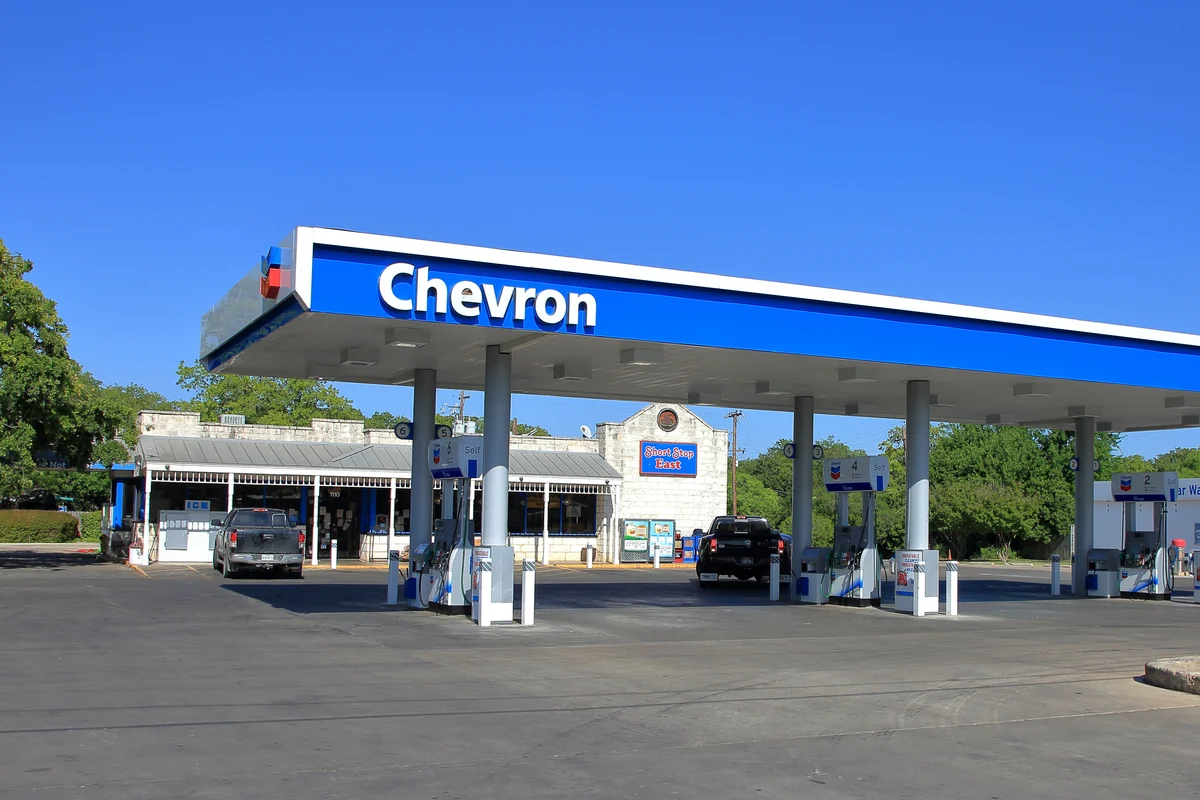
Key Highlights
- Chevron is on the verge of securing agreements to broaden its Venezuelan oil operations by acquiring two additional heavy-oil fields
- The announcement is anticipated for Wednesday in Caracas, with Energy Secretary Chris Wright scheduled to visit Venezuela
- Halliburton is engaged in discussions to deploy oilfield services equipment in Venezuela
- Chevron presently operates three joint ventures with PDVSA and remains the sole major American oil producer in Venezuela
- CVX shares increased 1.05% following the announcement; ExxonMobil and ConocoPhillips remain cautious about re-entering the market
Chevron is on the brink of securing an agreement that would significantly expand its Venezuelan operations, potentially incorporating two additional heavy-oil fields into its current portfolio of three PDVSA joint ventures. The company’s stock gained 1.05% following the news.
The announcement is slated for Wednesday in Caracas, where senior representatives from multiple American energy firms are scheduled to finalize production agreements. Energy Secretary Chris Wright is also planning to attend.
The arrangement would transition Chevron’s current joint ventures into Venezuela’s updated energy structure, granting the American corporation greater operational authority. The deal encompasses a previously negotiated asset exchange that will enable Chevron’s Petropiar heavy crude operation to extend into the adjacent Ayacucho 8 block.
A second location within the Orinoco Belt is also under consideration, alongside a potentially new oil region that may be incorporated into Chevron’s holdings, according to informed sources. Chevron has refused to provide comment.

Halliburton, among America’s premier oilfield services providers, is currently negotiating to introduce its equipment and expertise to Venezuela’s oil industry.
The Forces Behind the Expansion
Following Nicolas Maduro’s departure in January, President Trump has encouraged American energy corporations to pursue Venezuelan investments to bolster Western Hemisphere petroleum production and obtain additional heavy crude for domestic refineries.
Venezuela possesses some of the planet’s most substantial proven petroleum reserves, representing approximately 17% of worldwide totals. The nation currently produces roughly 1.1 million barrels daily, maintaining levels consistent with the previous year.
Chevron has maintained its position as the exclusive major American petroleum company with active Venezuelan operations, functioning under a specialized U.S. government authorization. This operational history provides a competitive advantage over competitors still evaluating market entry.
Competitors Remain Hesitant
ExxonMobil and ConocoPhillips are currently declining participation. Both corporations experienced asset nationalization under Hugo Chavez in 2007 and continue pursuing billions in compensation nearly twenty years later.
Numerous fields Venezuela is proposing are undeveloped greenfield sites, without essential infrastructure or electrical supply. Converting these into operational assets would demand billions in initial capital investment.
Hunt Oil became the first American firm to finalize an agreement for Venezuelan oil production earlier this month, preceding the broader collection of deals currently materializing.
Corporate negotiations occur separately from sophisticated discussions between the Trump administration and Venezuela regarding direct U.S. ownership stakes in 17 of the nation’s most valuable fields, containing approximately 90 billion barrels of confirmed reserves.
By the conclusion of Q2 2026, Chevron ranked as the energy sector stock with the highest number of hedge fund investors in the Insider Monkey database, with 101 funds maintaining a collective position valued at approximately $23.2 billion.
Get 3 Free Stock Ebooks
Discover top-performing stocks in AI, Crypto, and Technology with expert analysis.
- Top 10 AI Stocks - Leading AI companies
- Top 10 Crypto Stocks - Blockchain leaders
- Top 10 Tech Stocks - Tech giants


