


Key Takeaways
- ECB policymakers have all but confirmed an interest rate increase at their upcoming June 10–11 policy meeting.
- Eurozone inflation currently stands at 3%, significantly exceeding the central bank’s 2% objective.
- Energy price increases stemming from Iran-related disruptions to Strait of Hormuz shipping routes have intensified inflationary pressures.
- Central bank officials are expected to stop short of signaling a July rate adjustment, citing sluggish economic expansion as justification for a measured approach.
- Deutsche Bank analysts project quarter-point increases in June and September, elevating the policy rate to 2.50%.
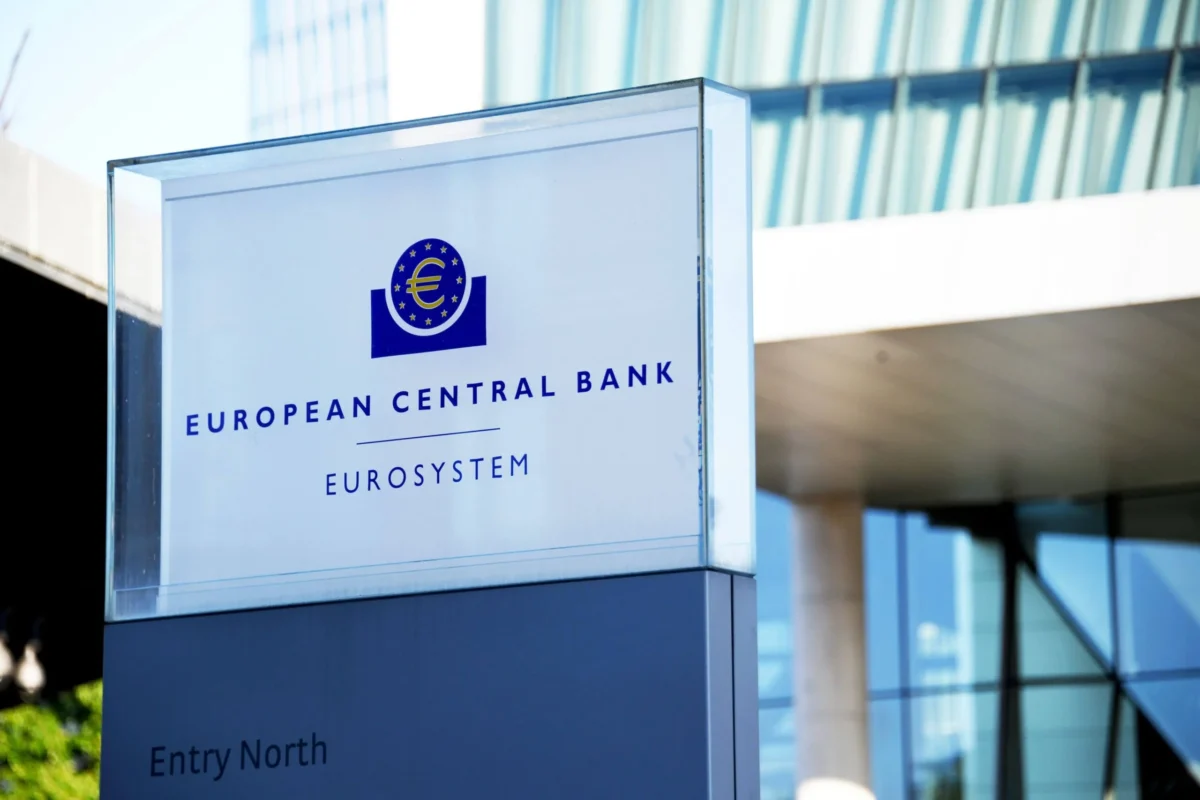
The European Central Bank appears increasingly committed to implementing an interest rate increase at its forthcoming June policy session, as ongoing tensions involving Iran continue to elevate energy costs and inflationary pressures throughout the currency bloc.
Martin Kocher, a member of the ECB’s Governing Council, indicated this week that central bankers are weighing whether to maintain current rates or implement an upward adjustment. He noted that inflation projections for this year are trending higher than earlier forecasts suggested.
Kocher delivered these remarks during a gathering of European finance ministers held in Cyprus. He emphasized that considerable uncertainty persists and refrained from offering any forward guidance extending beyond the June session.
Price Growth Exceeds Central Bank Objective
The eurozone’s inflation rate had successfully returned to the ECB’s 2% benchmark before the current Iran crisis emerged at the start of this year. Since then, it has accelerated to 3%, propelled predominantly by elevated energy expenses linked to disruptions along the Strait of Hormuz, a critical passage for international energy shipments.
Four individuals with direct knowledge of ECB Governing Council deliberations informed Reuters that the June 11 rate adjustment is now virtually guaranteed. The central bank had previously telegraphed a probable June action, and reversing course at this stage would undermine institutional credibility, according to these sources.
Joachim Nagel, another ECB Governing Council member, stated that the likelihood of more widespread inflationary momentum is increasing. Kocher adopted an even stronger position, asserting that a rate increase would become unavoidable should the Strait of Hormuz remain inaccessible.

US President Donald Trump announced on Saturday that a peace agreement with Iran has been substantially finalized, though no official specifics have been disclosed. Sources indicated that even a peace accord reached prior to the June meeting would not eliminate the rationale for tightening, as energy prices would require considerable time to decline.
Subsequent July Action Remains Uncertain
While the June decision appears locked in, the trajectory beyond that meeting remains highly ambiguous. Sources indicate the ECB intends to refrain from any communication that would pre-commit to a July rate adjustment.
Anemic economic expansion represents the primary factor behind this cautious stance. Two sources observed that the ECB’s current economic projections may prove overly optimistic and could undergo downward adjustments. Diminished consumer spending and deteriorating labor market conditions may contribute independently to moderating inflation, potentially reducing the necessity for additional rate increases.
Financial markets are currently anticipating three ECB rate increases over the coming twelve months. The central bank’s communication on June 11 is anticipated to challenge that aggressive timeline.
Deutsche Bank economists predict quarter-point increases in June and September, which would bring the policy rate to 2.50%. They characterize this level as representing the upper boundary of the neutral rate corridor.
Revised ECB economic growth and inflation forecasts are scheduled for release at the June 10–11 meeting and are expected to influence the final policy determination.
Get 3 Free Stock Ebooks
Discover top-performing stocks in AI, Crypto, and Technology with expert analysis.
- Top 10 AI Stocks - Leading AI companies
- Top 10 Crypto Stocks - Blockchain leaders
- Top 10 Tech Stocks - Tech giants


