


Key Takeaways
- JetBlue (JBLU) shares plummeted nearly 6% on Tuesday, marking the steepest decline among major U.S. carriers
- Drone strikes targeting oil tankers in the Strait of Hormuz drove crude oil prices approximately 3% higher
- Brent crude closed at $74.16 per barrel, while WTI finished at $70.44 per barrel
- Wall Street forecasts JetBlue’s losses per share will expand to $2.32 in 2026 from $1.64 in 2025
- American Airlines declined 3.1% and Delta slid 3.3% during the same trading session
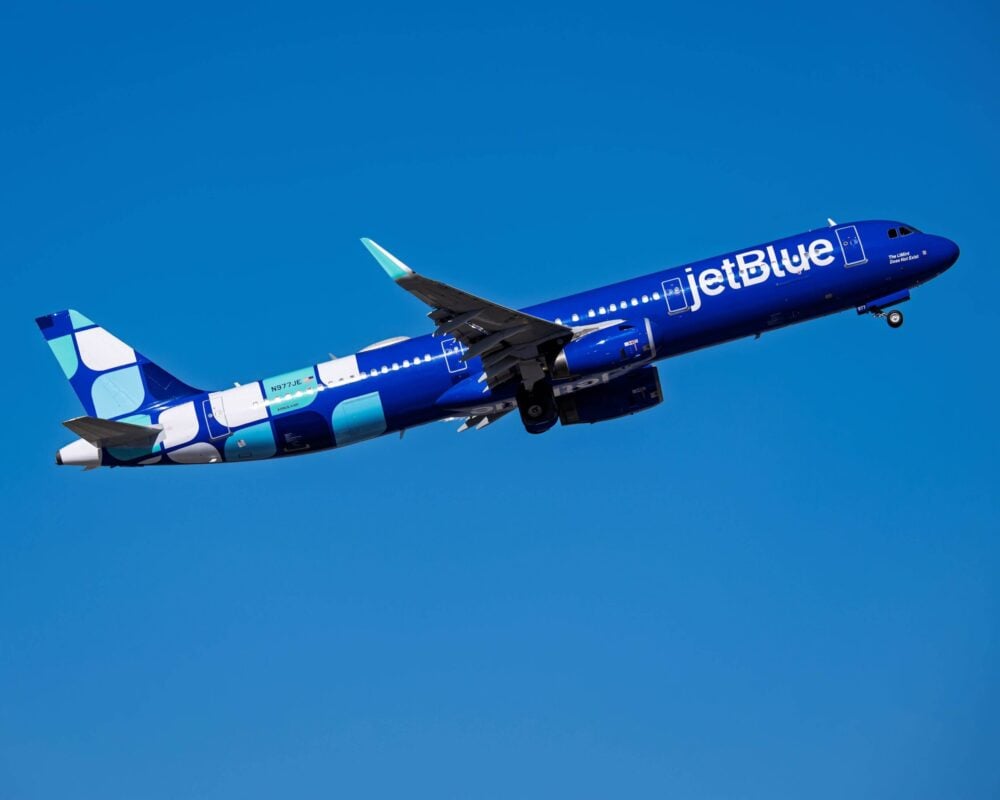
JetBlue Airways experienced the steepest losses among major U.S. airline stocks Tuesday, with shares tumbling nearly 6% by market close. The selloff extended into Wednesday’s pre-market session, where shares retreated an additional 2.88%.
JetBlue Airways Corporation, JBLU
The steep decline followed drone strikes on oil tankers navigating the Strait of Hormuz, which triggered a sharp spike in fuel prices. Compounding market concerns, the United States withdrew waivers that previously permitted companies to purchase and sell Iranian crude oil, intensifying an already volatile situation.
One attack hit an oil tanker approximately seven miles east of Oman’s Musandam Peninsula, resulting in what the United Kingdom Maritime Trade Operations Centre characterized as “minor structural damage.”
The attacks led a maritime security group to elevate its threat assessment to severe. Brent crude futures climbed roughly 3% to settle at $74.16 per barrel. West Texas Intermediate concluded trading at $70.44 per barrel. Before Tuesday’s session, both oil benchmarks had retreated 22% and 24% respectively during the preceding month.

For airline operators, elevated crude oil translates directly into higher jet fuel expenses — a reality that impacts JetBlue more severely than its competitors.
What Makes JetBlue More Vulnerable
Industry analysts characterize JetBlue as possessing the most fragile balance sheet among leading U.S. airlines. Financial projections indicate losses per share will balloon to $2.32 in 2026, compared to $1.64 in 2025.
JetBlue disclosed last month that it anticipates recovering just 40% of its jet fuel expenses during Q2. This leaves substantial exposure should fuel prices remain elevated.
Competing carriers enjoy greater financial flexibility. American Airlines (AAL) and Delta (DAL) generate significantly more revenue from premium seating and customer loyalty programs, providing better insulation against rising fuel expenses. AAL finished down 3.1% while DAL dropped 3.3% — substantial declines, yet considerably smaller than JetBlue’s plunge.
Delta is scheduled to release quarterly earnings later this week, and Tuesday’s selling pressure may partially reflect investor positioning ahead of those financial disclosures.
Airlines Had Been Soaring Before the Selloff
U.S. airline equities had enjoyed a solid rally leading into Tuesday’s session. The U.S. Global Jets ETF (JETS) had gained nearly 20% since early 2026, supported by robust travel demand ahead of the summer season.
JETS concluded Tuesday’s trading down 2.49%.
JetBlue’s predicament warrants close attention. The carrier enters the critical summer travel period with limited financial buffers, escalating fuel costs, and equity prices facing renewed downward pressure.
The latest indicator: JBLU shares dropped another 2.88% during Wednesday’s pre-market trading session.
Get 3 Free Stock Ebooks
Discover top-performing stocks in AI, Crypto, and Technology with expert analysis.
- Top 10 AI Stocks - Leading AI companies
- Top 10 Crypto Stocks - Blockchain leaders
- Top 10 Tech Stocks - Tech giants


