


Key Highlights
- Korea’s Kospi Composite Index plummeted nearly 9% with SK Hynix declining 15% and Samsung Electronics dropping 11% following SK Hynix’s historic Nasdaq listing
- SK Hynix completed a $26.5 billion capital raise on Friday with shares priced at $149, but faced immediate selloff pressure
- Escalating Middle East tensions after Iran blockaded the Strait of Hormuz prompted U.S. military response and Iranian retaliation
- Oil prices climbed with Brent crude reaching $79 and WTI touching $74.30 amid geopolitical instability
- American semiconductor companies including Micron, Nvidia, and AMD experienced premarket declines Monday morning
SK Hynix achieved a milestone Nasdaq listing last Friday, securing $26.5 billion through the sale of 177.9 million American Depositary Receipt shares priced at $149 apiece. Initial trading saw shares climb approximately 13%. However, Monday’s session told a starkly different story.
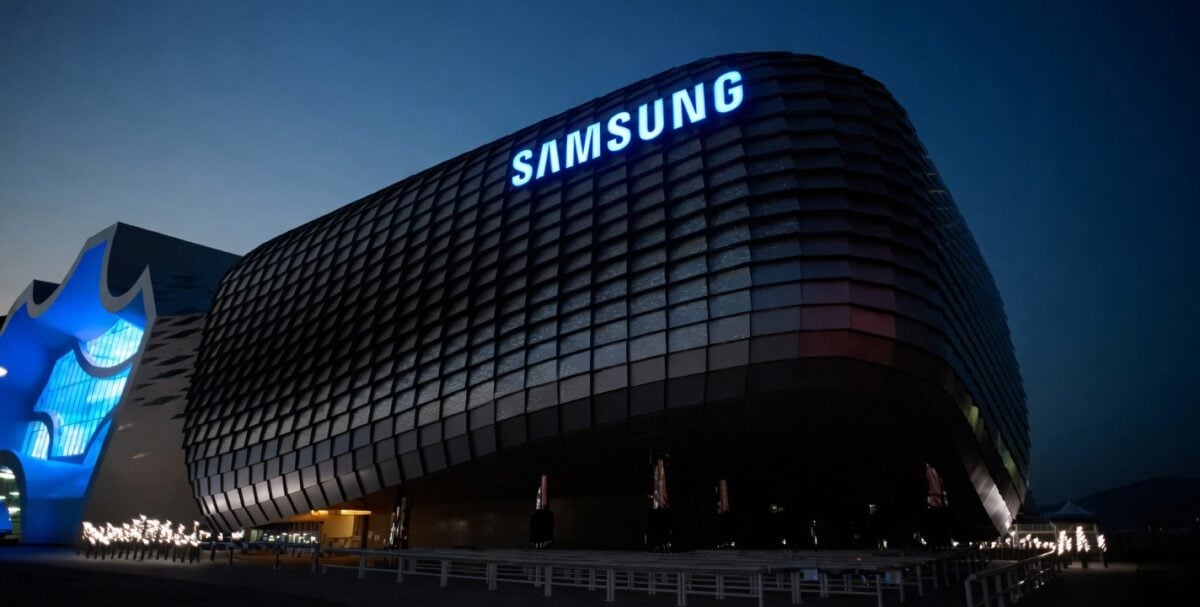
The Korean memory chip manufacturer saw its shares crater approximately 15% during Monday’s session on the Korea Exchange. Samsung Electronics wasn’t spared either, declining nearly 11%. The combined weight of these semiconductor giants dragged the Kospi Composite Index down roughly 9%, sending it to levels not witnessed since May.
Classic Market Psychology Takes Hold
Market observers attribute the post-debut decline to a textbook trading phenomenon. Market participants accumulate positions in anticipation of significant corporate events, only to liquidate holdings after the milestone passes. SK Hynix stock experienced appreciation leading up to its American listing before reversing course once trading commenced.
NH Investment & Securities’ senior market strategist indicated that investors were booking profits following the successful listing. Additionally, market participants are exhibiting caution regarding the company’s upcoming second-quarter financial results.

SK Square, maintaining a substantial ownership position in SK Hynix, tumbled 15%. Samsung Electro-Mechanics experienced a 17% decline, occurring just days after announcing a $310 million joint venture partnership with Japan’s Sumitomo to manufacture glass substrates for advanced semiconductor applications.
The Korean benchmark index has now retreated 26% from its 2024 peak of 9,387. Technical indicators show the index breaking through critical support zones and falling beneath its 50-day moving average. Chart analysts identify the next meaningful support threshold near 5,850.
American Semiconductor Sector Faces Pressure
The downturn rippled through U.S. markets during premarket trading Monday. Micron Technology declined nearly 6% before the opening bell. Western Digital and Sandisk each retreated approximately 7%. Seagate experienced losses approaching 5%.
Nvidia dipped roughly 2%. Advanced Micro Devices shed nearly 3%. Qualcomm and Broadcom each registered declines around 2%.
Chip manufacturing equipment providers weren’t immune. Lam Research, Applied Materials, and KLA each fell approximately 3%. ASML, scheduled to announce quarterly results Wednesday, decreased nearly 2%.
Taiwan Semiconductor, preparing to release second-quarter earnings Thursday, also traded lower. Arista Networks stood among the rare gainers in positive territory.
Middle East Tensions Compound Market Weakness
The Kospi’s decline intensified amid deteriorating U.S.-Iran relations. Iran implemented a blockade of the Strait of Hormuz during the weekend, prompting U.S. military airstrikes. Tehran responded with attacks targeting American military installations in Jordan and Persian Gulf nations.
South Korea maintains significant energy import dependencies from Middle Eastern suppliers, creating vulnerability to petroleum price volatility. Brent crude advanced to $79 while WTI reached $74.30.
The Bank of Korea is anticipated to implement a 0.25% interest rate increase Wednesday. Accelerating energy expenses and escalating wage pressures within the semiconductor industry are fueling inflationary concerns, while the won recently touched historical lows before stabilizing around 1,507 versus the dollar.
Get 3 Free Stock Ebooks
Discover top-performing stocks in AI, Crypto, and Technology with expert analysis.
- Top 10 AI Stocks - Leading AI companies
- Top 10 Crypto Stocks - Blockchain leaders
- Top 10 Tech Stocks - Tech giants


