


Key Takeaways
- IBM shares plummeted 18% following disappointing Q2 financial results that fell short of analyst forecasts
- Dow futures declined more than 400 points while Nasdaq futures showed modest gains as technology stocks attempted a rebound
- The U.S. conducted its third consecutive night of military operations against Iran, driving crude oil prices significantly higher
- Brent crude climbed 4.3% to reach $86.90 per barrel; WTI increased 3.1% to $80.52
- Investors prepare for June inflation figures, Federal Reserve Chair testimony, and quarterly results from leading financial institutions
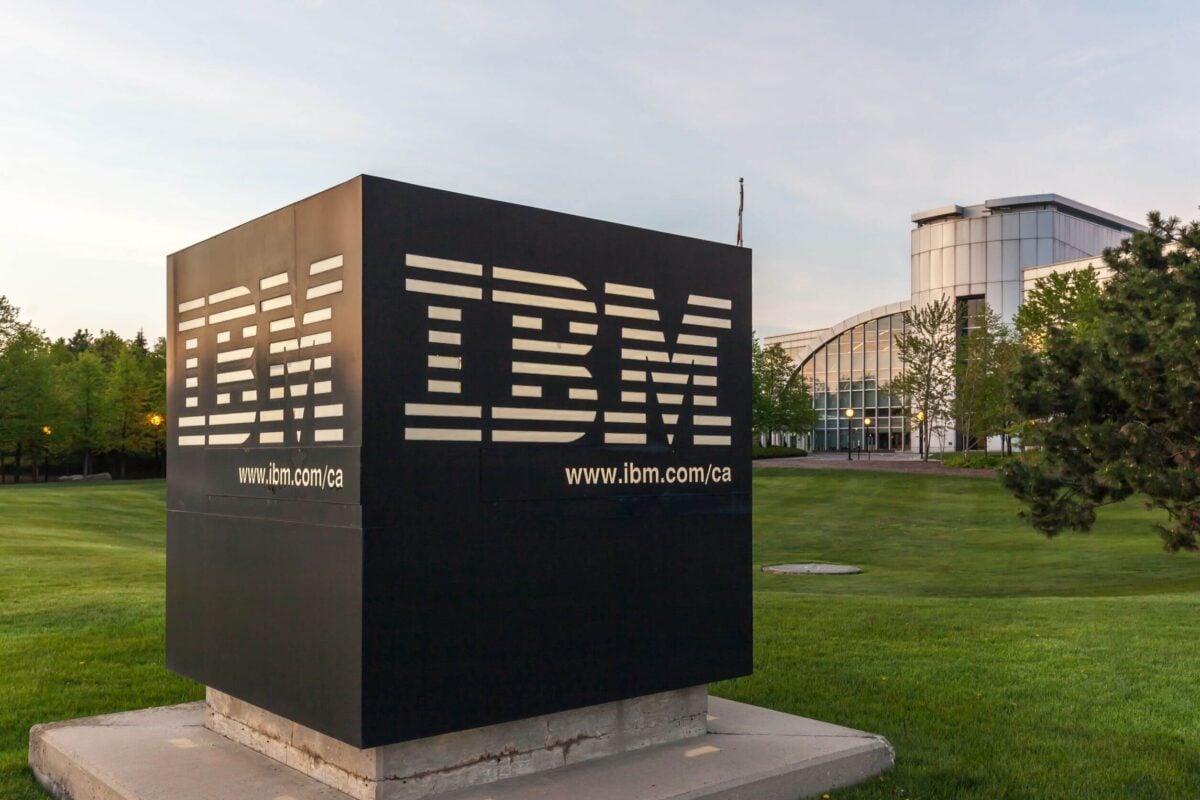
Shares of IBM experienced a dramatic 18% decline on Tuesday following the technology giant’s release of preliminary second-quarter financial figures that disappointed on both profit and revenue metrics. As a component of the Dow Jones Industrial Average’s 30-stock portfolio, IBM’s sharp decline weighed heavily on the broader index.
International Business Machines Corporation, IBM
Dow futures retreated 441 points, representing a 0.8% decline during early morning trading. S&P 500 futures decreased 0.1%. In contrast, Nasdaq 100 futures advanced 0.5% as technology sector stocks attempted to recover ground lost in the prior trading session.
All three benchmark indexes closed lower during Monday’s trading session. The selloff was primarily driven by weakness in semiconductor stocks and ascending crude oil prices, triggered by President Trump’s announcement regarding the restoration of a naval blockade at the Strait of Hormuz.
Crude Oil Markets Rally on Escalating Middle East Tensions
The United States executed its third consecutive evening of military strikes against Iranian targets, propelling crude oil prices higher during Tuesday’s pre-market hours. Brent crude futures surged 4.3% to $86.90 per barrel. West Texas Intermediate climbed 3.1% to $80.52 per barrel.

The administration also revealed intentions to commence enforcement of the Strait of Hormuz blockade Tuesday afternoon, implementing a 20% tariff on all commercial vessels transiting the strategic waterway. This development heightened anxieties about potential energy market disruptions contributing to inflationary pressures.
Mark Haefele, Chief Investment Officer at UBS Global Wealth Management, weighed in on the developing situation. He noted that the continued military confrontations underscore the challenges facing any sustainable agreement between Washington and Tehran, though he emphasized that neither party seeks comprehensive military engagement.
Artificial intelligence semiconductor stocks have faced sustained selling pressure. Recently listed American depositary receipts of South Korea’s SK Hynix continued declining following its U.S. initial public offering last Friday. The sector has been pressured by speculation regarding interest rate increases, concerns about capital expenditure trends, and profit-taking activity.
Critical Economic Data and Financial Sector Earnings Ahead
Market participants were anticipating the June Consumer Price Index release, scheduled for 8:30 a.m. ET. Economic forecasters projected that inflationary pressures moderated during June. Nevertheless, bond market participants had already been increasing wagers on a Federal Reserve interest rate increase at its upcoming July 28-29 policy meeting.
Fed Chair Kevin Warsh was scheduled to deliver congressional testimony regarding monetary policy strategy and economic conditions, introducing another potentially market-moving event to an already eventful trading day.
Regarding corporate earnings, JPMorgan, Goldman Sachs, Bank of America, Wells Fargo, and Citigroup were all scheduled to release second-quarter financial results. Wall Street analysts anticipated the major banking institutions would deliver some of their most impressive quarterly performances in recent history.
The convergence of geopolitical instability, inflation-related uncertainty, and corporate earnings announcements positioned Tuesday as one of the most significant market trading sessions in recent memory.
Get 3 Free Stock Ebooks
Discover top-performing stocks in AI, Crypto, and Technology with expert analysis.
- Top 10 AI Stocks - Leading AI companies
- Top 10 Crypto Stocks - Blockchain leaders
- Top 10 Tech Stocks - Tech giants


