


Key Highlights
- German pharmaceutical company Merck KGaA announces $11.3 billion purchase of Bio-Techne, marking its biggest acquisition since 2014
- The $73 per share offer represents a 24% premium above Bio-Techne’s previous closing price
- Shares of Bio-Techne climbed 20% to reach $70.58 during Thursday’s premarket session
- Transaction completion is anticipated between late 2026 and early 2027
- Combined entity projects approximately 140 million euros in annual cost synergies within three years of deal closure
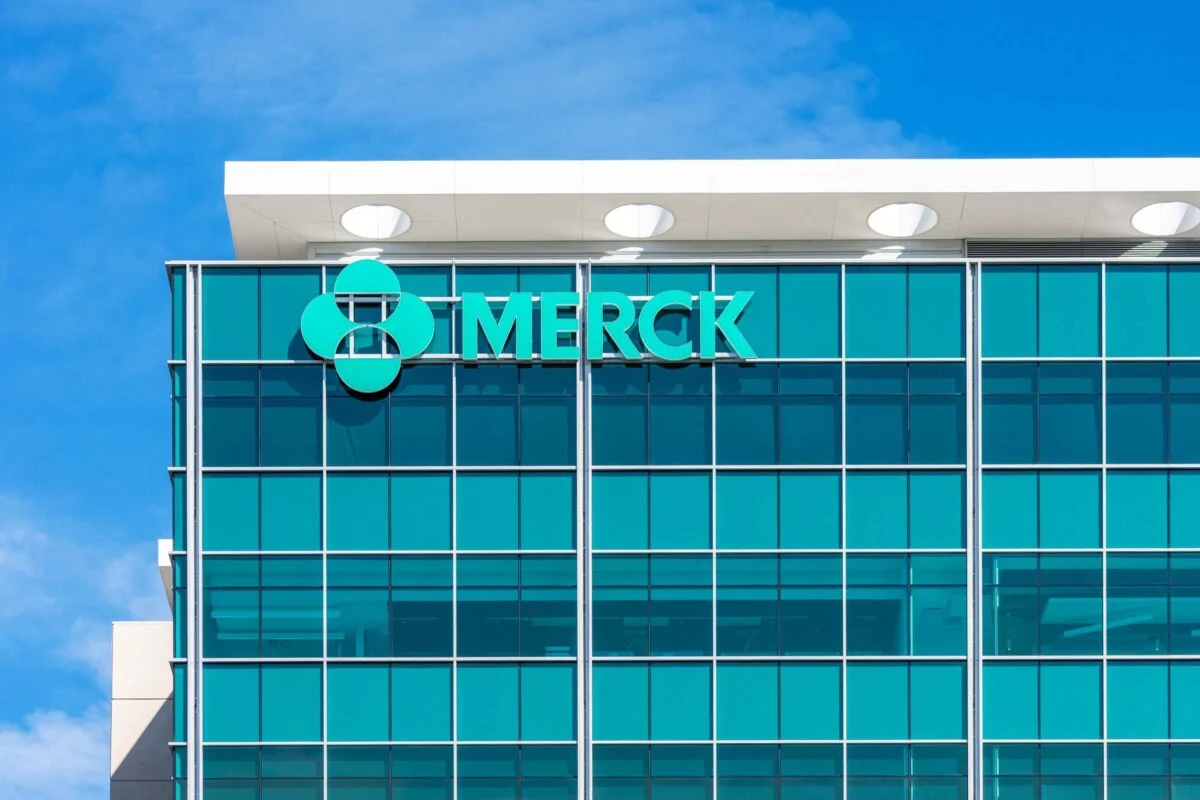
Shares of Bio-Techne (TECH) experienced a dramatic 20% premarket rally to $70.58 on Thursday following the announcement that German pharmaceutical powerhouse Merck KGaA has reached an agreement to acquire the life sciences company in an $11.3 billion transaction.
The German conglomerate is paying $73 for each Bio-Techne share, representing a substantial 24% premium to Wednesday’s closing market price. Investors responded positively to the announcement, sending Merck KGaA shares up 3% as well.
This transaction represents Merck KGaA’s most significant acquisition in more than ten years — the company’s last deal of comparable magnitude was its 2014 acquisition of Sigma-Aldrich.
The buyout also marks the inaugural major transaction under CEO Kai Beckmann, who assumed leadership in May after succeeding Belén Garijo.

Bio-Techne is a leading provider of research reagents, proteins, antibodies, and analytical tools utilized by scientists and pharmaceutical developers worldwide. The company maintains an extensive portfolio featuring 6,000 proteins and an impressive 425,000 antibodies.
During a Thursday morning media briefing, Merck’s Life Science CEO Jean-Charles Wirth described the extensive product catalog as a “big, big plus” for the company’s customer base.
Bolstering Life Sciences Capabilities
The strategic acquisition aims to strengthen Merck’s footprint in cutting-edge biological research and the rapidly expanding cell and gene therapy sectors.
According to Merck, this transaction solidifies life sciences as the company’s core growth engine moving forward.
Leerink analyst Puneet Souda noted that Merck seems to be acquiring a valuable asset with robust long-term growth prospects, even as the broader research tools sector faces near-term headwinds.
Several industry analysts have indicated they don’t anticipate significant regulatory obstacles to completing the transaction.
Financial Structure and Synergies
Merck intends to finance the acquisition through a combination of existing cash reserves and new debt. According to its latest quarterly financial report, the company maintained approximately 2.74 billion euros in liquid cash.
The pharmaceutical giant anticipates achieving cost synergies totaling around 140 million euros annually, with full realization expected by the third year following deal completion.
The transaction is projected to receive final approval and close sometime between late 2026 and early 2027.
This acquisition continues a broader mergers and acquisitions initiative launched during Garijo’s tenure, which encompassed strategic purchases of Exelead, Mirus Bio, and SpringWorks Therapeutics, spanning mRNA production, cell and gene therapy technologies, and rare disease treatments.
Jean-Charles Wirth commented that the deal “strengthens our presence in some of the most exciting and fastest-growing areas of the life sciences.”
Get 3 Free Stock Ebooks
Discover top-performing stocks in AI, Crypto, and Technology with expert analysis.
- Top 10 AI Stocks - Leading AI companies
- Top 10 Crypto Stocks - Blockchain leaders
- Top 10 Tech Stocks - Tech giants


