


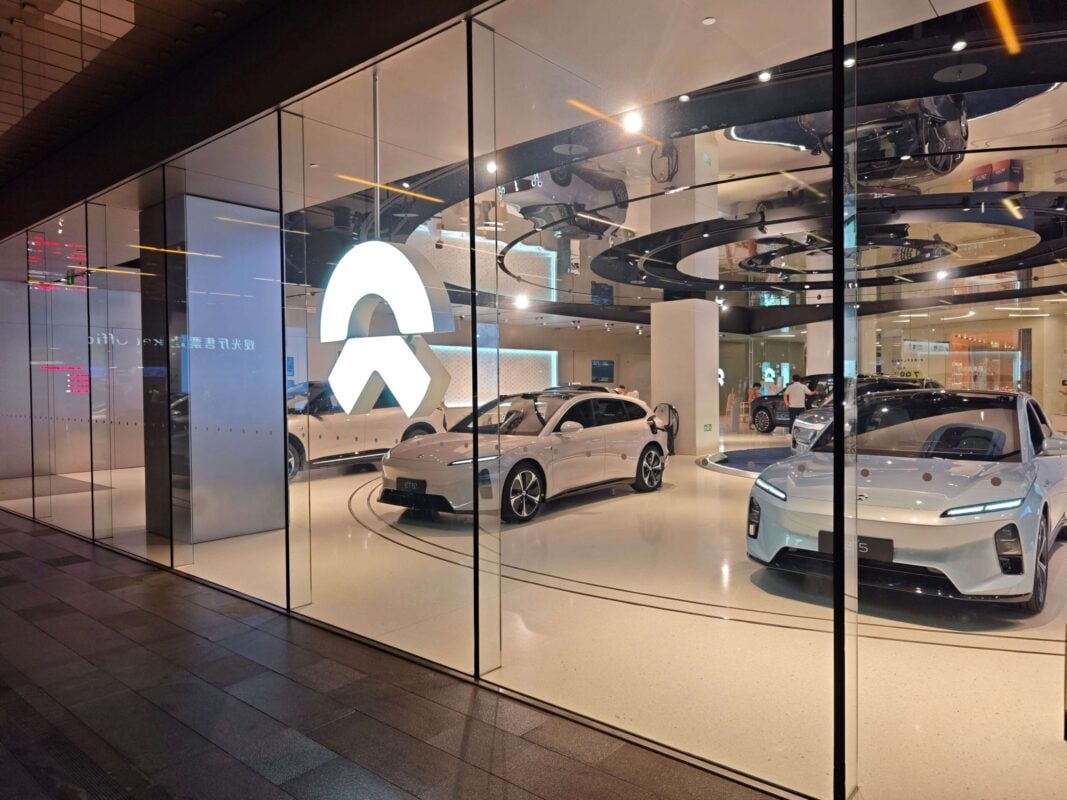
Key Highlights
- Second-quarter net loss improved to 721.6 million yuan (~$107M), a significant improvement from the 5.14 billion yuan loss reported in the prior-year period
- Top-line revenue increased 69% to reach 32.14 billion yuan, yet failed to meet analyst projections for both revenue and profitability
- Vehicle delivery volumes expanded almost 50% compared to last year, but came in below the company’s own projected targets
- Shares declined 6.4% in Hong Kong markets following news that August delivery numbers slipped 0.3% versus July, representing the second consecutive monthly downturn
- Third-quarter outlook calls for deliveries between 108,000 and 111,000 units with revenue projected at 33.29 to 34.05 billion yuan, reflecting 50%+ annual growth
NIO delivered an improved bottom-line performance for the second quarter of 2026, yet the results failed to satisfy market expectations or surpass analyst forecasts.
The electric vehicle manufacturer based in Shanghai recorded a net loss of 721.6 million yuan, approximately $107 million, representing a substantial improvement from the 5.14 billion yuan deficit posted during the comparable quarter last year. While the improvement appears meaningful, Wall Street analysts had anticipated a smaller loss of only 558.4 million yuan.
Top-line results reached 32.14 billion yuan, representing a 69% year-over-year increase. However, this performance still trailed the consensus forecast of 33.71 billion yuan compiled by Visible Alpha.
Vehicle delivery volumes rose nearly 50% versus the prior-year period, a metric the company emphasized in its communications. The challenge is that actual deliveries underperformed management’s own projections, a shortfall that didn’t go unnoticed by the investment community.

Shares fell 6.4% during Hong Kong trading. The decline occurred on the same day the company disclosed that August sales volumes decreased 0.3% compared to July, representing the second month in a row of declining deliveries.
Profitability Metrics Remain Stable
From a margin perspective, NIO’s gross profit margin registered at 18.4% during the quarter. The vehicle-level margin reached 18.5%, benefiting from an improved sales mix and enhanced cost management initiatives.
Chief Financial Officer Stanley Yu Qu attributed the stable margin performance to “strong sales of higher-margin models and ongoing optimization of our cost structure,” noting these factors helped offset inflationary pressures.
The company’s premium ES9 SUV continues performing well in the market. While customer interest in this vehicle remains robust, the investment community is watching to determine whether this strength can drive sustainable profitability versus a temporary quarterly improvement.
The automaker achieved profitability during the fourth quarter of last year but returned to losses in early 2026. This inconsistent performance trajectory has created investor skepticism.
Third-Quarter Outlook
Management projected third-quarter deliveries ranging from 108,000 to 111,000 vehicles. This forecast represents a modest sequential uptick from the second quarter and approximately 25% growth compared to the year-ago period.
The company’s revenue guidance for the third quarter stands at 33.29 billion to 34.05 billion yuan, implying year-over-year growth exceeding 50%.
To expand its market footprint, the company has invested heavily in its ONVO and Firefly subsidiary brands, which focus on the mid-market and premium-compact customer segments. These brands aim to attract consumers who might not consider purchasing NIO’s flagship vehicles at their current price points.
On the global expansion front, the company has adopted an asset-light strategy, partnering with local distributors to establish presence across European, Asian and Latin American markets. To date, international sales have generated limited revenue contribution.
NIO shares declined an additional 1.55% on the NYSE during the latest trading session, extending losses as investors remained cautious following the consecutive monthly sales declines and the second-quarter earnings disappointment.
Get 3 Free Stock Ebooks
Discover top-performing stocks in AI, Crypto, and Technology with expert analysis.
- Top 10 AI Stocks - Leading AI companies
- Top 10 Crypto Stocks - Blockchain leaders
- Top 10 Tech Stocks - Tech giants


