


Key Takeaways
- Novartis experienced a steep 12% decline on Tuesday, marking its most significant single-day loss since March 2020.
- The del-desiran candidate failed to meet its primary goal in the Phase III HARBOR study targeting myotonic dystrophy type 1.
- The pharmaceutical giant has now faced three consecutive drug trial disappointments within seven days, including pelacarsen’s failure and a clinical hold on rap-cel following patient fatalities.
- Jefferies analyst Michael Leuchten maintained his “hold” stance while cautioning that achieving growth objectives may require additional acquisitions.
- Despite setbacks, Novartis reaffirmed its projected annual sales growth of 5-6% CAGR through 2030.
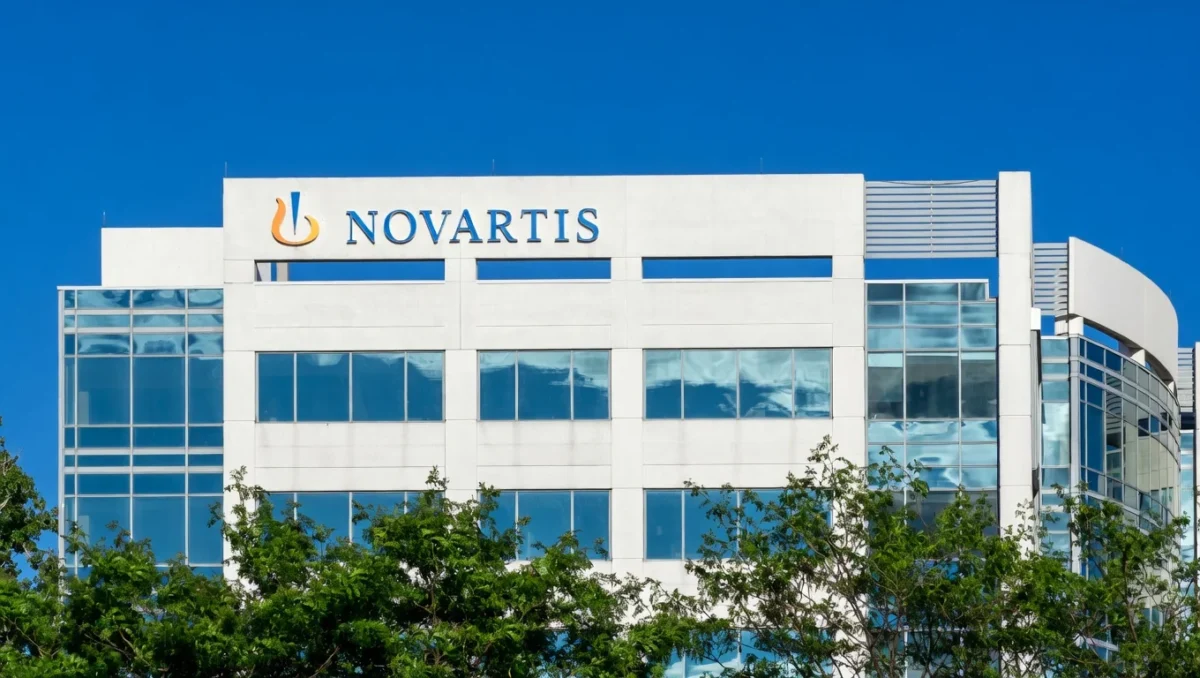
Novartis shares plummeted on Tuesday following disappointing results from its del-desiran clinical program, with the stock tumbling over 12% to approximately $112.56, reaching its lowest point since the beginning of January.
The experimental therapy, officially designated as delpacibart etedesiran, failed to achieve its primary objective in the Phase III HARBOR clinical study evaluating treatment for myotonic dystrophy type 1 (DM1), a degenerative neuromuscular condition lacking any FDA-approved therapies. The 54-week study involving 150 participants demonstrated no statistically significant enhancement in video hand opening time when measured against placebo.
The company indicated that certain activity was detected in secondary and exploratory endpoints and stated its intention to engage with regulatory authorities to chart the future course for the del-desiran development program.
This disappointment represents the third consecutive blow to Novartis shareholders within a seven-day period. Earlier in the week, the pharmaceutical firm announced that pelacarsen failed to demonstrate reduced cardiovascular event risk in late-stage testing. Seven days prior, Novartis temporarily halted eight clinical studies of its experimental cellular therapy rap-cel following the deaths of three trial participants.

Analyst Raises Red Flags Over Growth Strategy
Jefferies analyst Michael Leuchten, maintaining his “hold” recommendation with a CHF110 price objective, emphasized that the issue “extends beyond this single trial failure.” He noted that Novartis invested $12 billion to acquire Avidity Biosciences in the previous year, with del-desiran accounting for approximately one-third of anticipated peak revenue from that transaction.
Leuchten expressed skepticism that the firm’s growth ambitions exceeding 5% beyond 2030 remain achievable without additional strategic acquisitions, a prospect he characterized as “uncertain once again.”
The analyst also highlighted that del-desiran’s failure raises concerns about del-brax, another Avidity pipeline candidate designed to treat facioscapulohumeral muscular dystrophy. Results from del-brax Phase III trials aren’t anticipated until 2028.
Shares of Novartis currently command a valuation exceeding 16 times projected 2027 earnings, compared to the pharmaceutical sector’s average below 13 times. Leuchten suggested this premium has become “more difficult to justify” and referenced AstraZeneca as an example, which saw its multiple compress to 14 times following its own pipeline setbacks.
Bright Spots Remain in Novartis Pipeline
Despite recent disappointments, the company’s entire development portfolio hasn’t collapsed. Del-zota, the third Avidity asset targeting Duchenne muscular dystrophy, recently secured FDA Priority Review status and remains on track.
Additionally, Novartis announced encouraging Phase III outcomes last week for remibrutinib, an investigational therapy for relapsing multiple sclerosis, demonstrating clinically significant postponement of disability progression.
The pharmaceutical company stood by its five-year compound annual sales growth projection of 5-6% spanning 2025 through 2030, with Chief Medical Officer Shreeram Aradhye characterizing setbacks as “an inherent element of scientific advancement.”
Del-zota has secured Orphan Drug, Fast Track, and Breakthrough Therapy designations from the FDA, along with Orphan Medicinal Product designation from European regulators.
Novartis announced plans to schedule discussions with the FDA regarding del-brax after observing encouraging preliminary biomarker data from its Phase I/II clinical study.
Get 3 Free Stock Ebooks
Discover top-performing stocks in AI, Crypto, and Technology with expert analysis.
- Top 10 AI Stocks - Leading AI companies
- Top 10 Crypto Stocks - Blockchain leaders
- Top 10 Tech Stocks - Tech giants


