



TLDR
- Tehran announced complete closure of the Strait of Hormuz following recent American military operations
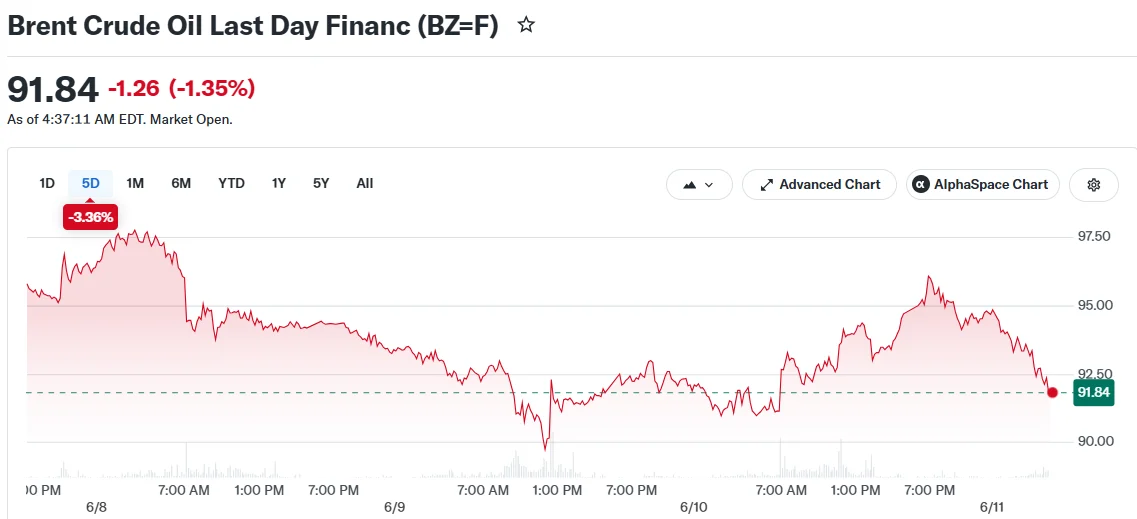
- Brent crude climbs toward $93-$94 per barrel, with WTI hovering between $89-$91
- American petroleum reserves dropped by 7.2 million barrels last week, exceeding forecasts significantly
- Energy analysts at Rystad project crude could surge to $150 per barrel under full conflict scenario
- Likelihood of imminent diplomatic agreement between Washington and Tehran has plummeted from 40% to highly uncertain
Military confrontations between Washington and Tehran this week have driven petroleum markets higher, sparking concerns about energy security across the Middle East region.
Tehran announced it has blocked the Strait of Hormuz to all maritime activity, encompassing both petroleum tankers and commercial shipping. Iranian authorities issued warnings that any vessel attempting passage through the critical waterway would face military action.
This strategic waterway represents one of the planet’s most vital energy transit points. Roughly one-fifth of the world’s seaborne petroleum exports navigate through this narrow passage daily.
Brent crude futures were hovering between $93 and $94 per barrel. West Texas Intermediate traded in the $89 to $91 range. Both benchmark contracts experienced gains exceeding 2% during early Asian sessions before moderating somewhat.
President Trump indicated Wednesday that Washington would strike Iran “very hard” should diplomatic efforts collapse. American forces subsequently conducted additional strikes against Iranian installations during overnight hours.

Iranian officials reported launching retaliatory operations against American military installations in Kuwait and Bahrain. The preceding wave of U.S. operations followed Iran’s downing of an American Army Apache helicopter in proximity to the Strait of Hormuz.
Trump additionally disclosed that U.S. military forces had been covertly providing security for petroleum shipments transiting the strait. He stated that over 100 million barrels had successfully passed through the waterway under American military escort.
Diplomatic Prospects Diminish as Military Actions Intensify
Jorge Leon, an energy analyst with Rystad Energy, noted it remains premature to determine whether current developments represent a complete breakdown into warfare or a dangerous yet controllable incident.
Leon observed that the chances of achieving a diplomatic breakthrough in the near term have collapsed from approximately 40% several weeks ago to a highly uncertain outlook. He emphasized the coming days would prove decisive.
John Oh, an analyst at Commonwealth Bank, indicated that Tehran’s actions within 12 hours following American strikes would receive intense scrutiny. He suggested any Iranian military response would undermine market sentiment that had anticipated an imminent agreement.
Analysts from ING wrote in their market commentary that energy shipments originating from the Persian Gulf region would continue facing severe disruptions. They noted that any diplomatic resolution appears distant.
Petroleum Inventories Show Significant Decline
Figures released by the U.S. Energy Information Administration revealed crude inventories declined by 7.2 million barrels during the week concluding June 5. Market analysts had anticipated a drawdown of approximately 3 million barrels.
Gasoline reserves increased modestly. Distillate stocks, encompassing diesel fuel and heating oil, decreased by 0.2 million barrels.
Rystad’s Leon cautioned that should Washington and Tehran enter full military engagement, oil prices could skyrocket to $150 per barrel. He projected price fluctuations would remain elevated until concrete indicators emerge suggesting a sustainable ceasefire.
American consumer inflation reached 4.2% in May, generating concerns that elevated energy expenses could maintain higher interest rates for an extended period. Financial markets were monitoring U.S. producer price figures and weekly unemployment claims for additional insights into Federal Reserve monetary policy direction.
Get 3 Free Stock Ebooks
Discover top-performing stocks in AI, Crypto, and Technology with expert analysis.
- Top 10 AI Stocks - Leading AI companies
- Top 10 Crypto Stocks - Blockchain leaders
- Top 10 Tech Stocks - Tech giants


