


TLDR
- Qualcomm stock jumped 8% after its AI data center revenue goal.
- Qualcomm targets $15 billion in data center sales by fiscal 2029.
- Non-handset chip revenue could reach $40 billion by fiscal 2029.
- Microsoft and Meta deals strengthen Qualcomm’s AI chip expansion.
- Smartphone pressure drives Qualcomm deeper into data center chips.
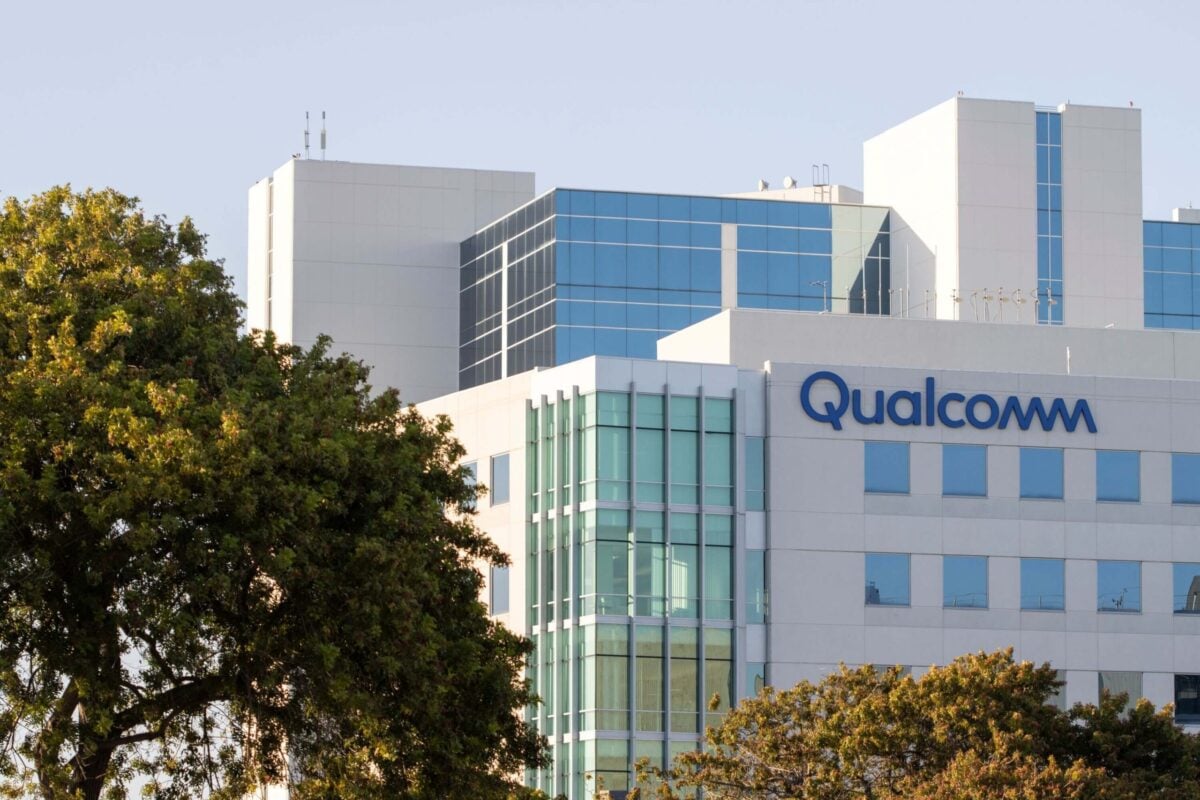
Qualcomm shares surged 8.27% to $213.64 after the company outlined a larger push into data center chips. The chipmaker expects data center revenue to exceed $15 billion annually by fiscal 2029. The target strengthened Qualcomm’s plan to reduce its dependence on smartphone processors.
Qualcomm Sets Major Data Center Revenue Target
Qualcomm expects its data center business to generate $5 billion in revenue during fiscal 2027. It then expects annual sales to triple within two years as new customer programs expand. The forecast marks a sharp increase from earlier market estimates for the emerging business.
The company plans to supply AI processors to Microsoft and Meta for large computing systems. Qualcomm will also develop custom chips for two unnamed hyperscale computing companies. These agreements give the company a stronger position within the growing data center chip market.
Qualcomm entered the server market after building its business around low-power mobile processors. Its designs could support energy-efficient computing across cloud systems and enterprise data centers. The company now aims to use that experience across larger and more demanding computing platforms.

Non-Handset Revenue Target Rises to $40 Billion
Qualcomm raised its fiscal 2029 target for non-handset semiconductor revenue to about $40 billion. The company previously expected those operations to generate approximately $22 billion during the same period. Data centers, automotive systems, and connected devices will support the revised target.
Qualcomm expects its automotive business to produce $10 billion in annual revenue by fiscal 2029. Its Internet of Things division could generate more than $14 billion annually. These targets show how Qualcomm plans to spread revenue across several major technology markets.
Handsets should represent only one-third of Qualcomm’s chip division revenue by fiscal 2029. Smartphones currently provide a much larger share of the company’s semiconductor sales. Stronger data center and automotive growth could reshape Qualcomm’s long-term revenue mix.
Smartphone Pressures Drive Qualcomm’s Diversification
Qualcomm faces slower smartphone demand and higher competition from customers developing internal chip designs. Apple continues replacing Qualcomm components with technology developed within its own operations. Samsung also designs processors for some devices, which increases pressure on outside suppliers.
A global memory shortage has added further strain across the smartphone and computer markets. Chipmakers have directed more production toward data centers because AI infrastructure commands stronger demand. Consumer electronics companies face higher costs and tighter component supplies.
Qualcomm expects adjusted earnings per share to exceed $18 by fiscal 2029. Its expansion plan depends on securing large contracts and delivering reliable chips at commercial scale. The new targets place data centers at the center of Qualcomm’s growth strategy beyond smartphones.
Get 3 Free Stock Ebooks
Discover top-performing stocks in AI, Crypto, and Technology with expert analysis.
- Top 10 AI Stocks - Leading AI companies
- Top 10 Crypto Stocks - Blockchain leaders
- Top 10 Tech Stocks - Tech giants


