


Key Takeaways
- AMC’s CEO Adam Aron issued a public ultimatum to Robinhood, demanding the immediate cessation of AMC-linked token trading and warning of potential SEC complaints.
- Dan Gallagher, Robinhood’s Chief Legal Officer and ex-SEC commissioner, rejected the demands and invited AMC to pursue litigation.
- The disputed tokens represent tokenized debt instruments rather than genuine equity shares, providing no voting privileges or shareholder status.
- US-based investors cannot access these tokens, which originate from a Robinhood subsidiary located in Jersey.
- The tokenized securities sector has reached approximately $2.91 billion in value, accelerating calls for comprehensive US regulatory guidance.
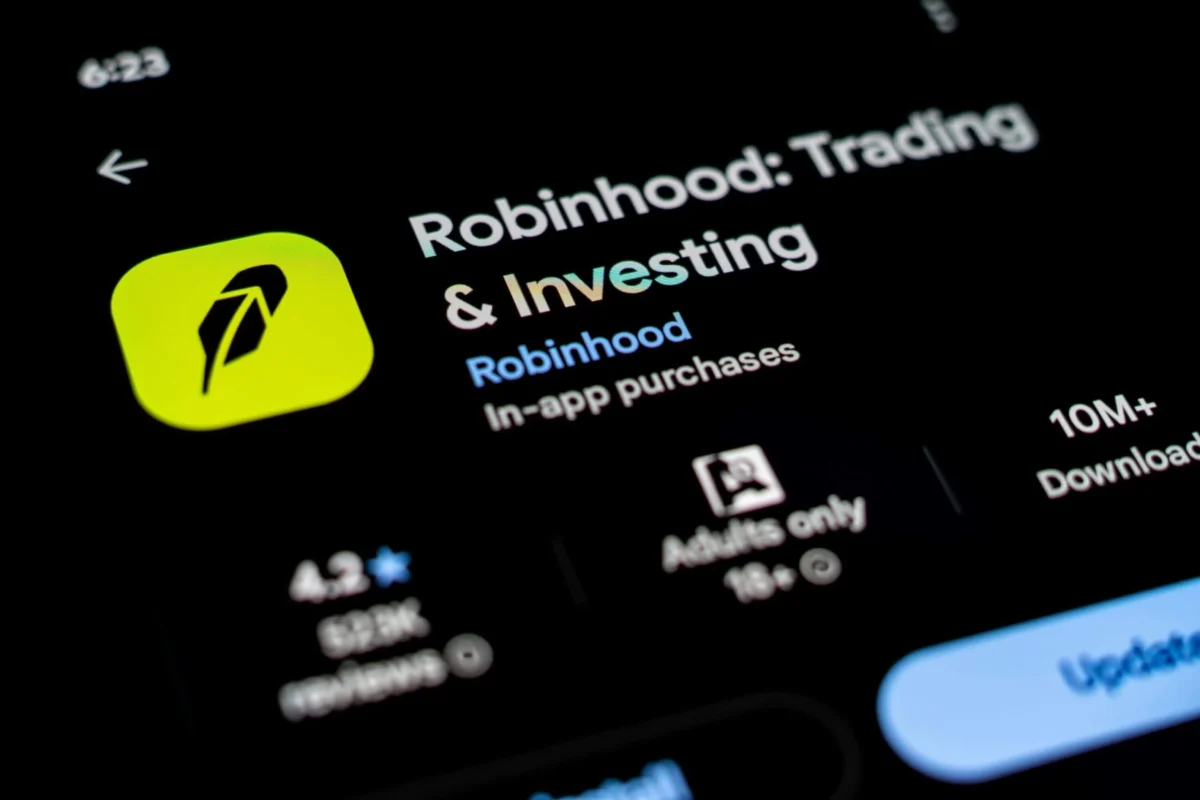
On Friday, AMC Entertainment’s chief executive Adam Aron issued a public ultimatum to Robinhood, insisting the trading platform immediately cease offering tokens connected to AMC stock. Aron characterized these products as “synthetic equity” and warned of impending legal consequences should Robinhood decline to comply.
The confrontation originated Thursday when Aron initially expressed disapproval of the token offerings. Robinhood’s chief executive Vlad Tenev responded via X, inquiring about the specific issues at hand, prompting Aron to articulate his grievances comprehensively.
According to Aron, Robinhood established this token marketplace through an offshore subsidiary in Jersey without consulting or notifying AMC. He expressed concern that these instruments might undermine AMC’s capital-raising capabilities and deprive purchasers of standard shareholder protections.
Aron demanded Robinhood “cease and decist” operations and announced AMC’s intention to escalate the matter to the Securities and Exchange Commission. As of this writing, neither formal litigation nor SEC enforcement proceedings have materialized.
Trading Platform Refuses to Back Down
Dan Gallagher, Robinhood’s Chief Legal Officer, delivered an unequivocal rejection of Aron’s demands. “We know a little something about the U.S. securities laws and will not ‘DECIST,'” Gallagher responded, noting Aron’s typographical error. “Send your lawyers and we’ll educate them.”

CEO Tenev publicly endorsed his legal chief’s position, sharing the message with his own endorsement: “We stand behind Stock Tokens.”
Gallagher’s tenure as an SEC commissioner between 2011 and 2015 appears central to Robinhood’s confidence in its regulatory positioning.
Understanding the Token Structure
The stock tokens Robinhood offers are ERC-20 digital assets created by Robinhood Assets (Jersey) Limited. These instruments qualify as tokenized debt securities rather than ownership stakes.
Every token mirrors stock pricing through Chainlink oracle data and maintains one-to-one backing via shares held by a regulated custodian. However, token ownership confers no legal claims against AMC, eliminates voting privileges, and excludes holders from AMC’s official shareholder registry.
American investors face geographical restrictions preventing access to these tokens. Additional restrictions apply to residents of Canada, the United Kingdom, and Switzerland. Robinhood’s regulatory disclosures acknowledge substantial risks including regulatory uncertainty, litigation exposure, and reputation damage.
Should the Jersey-based issuer face insolvency, an independent security trustee would liquidate the underlying equity holdings and distribute proceeds to token owners.
Market observations revealed one AMC-linked token trading at approximately sixty times AMC’s actual share price, highlighting liquidity constraints and arbitrage challenges within underdeveloped markets.
Sector Experts Share Perspectives
Multiple cryptocurrency and tokenization industry leaders acknowledged merit in Aron’s structural criticisms, despite generally supporting tokenization innovation.
Armani Ferrante, CEO of Backpack, noted that token market demand doesn’t necessarily create corresponding purchasing pressure on underlying securities. Marcin Kazmierczak, co-founder of RedStone, characterized the dispute as fundamentally about “consent and registration” rather than tokenization technology itself.
The SEC established an official framework distinguishing between issuer-sponsored and third-party tokenized securities through a January staff guidance document. A subsequent February advisory panel recommendation advocated for mandatory ownership reporting requirements and enhanced intermediary supervision.
According to RWA.xyz data from September 4, the tokenized equity market reached approximately $2.91 billion in aggregate value, representing 17.5% growth over the preceding month. Robinhood occupied the sixth position among monitored platforms, managing 189 tokenized assets valued at roughly $103.2 million.
Get 3 Free Stock Ebooks
Discover top-performing stocks in AI, Crypto, and Technology with expert analysis.
- Top 10 AI Stocks - Leading AI companies
- Top 10 Crypto Stocks - Blockchain leaders
- Top 10 Tech Stocks - Tech giants


