


Key Takeaways
- The Securities and Exchange Commission has put forward a proposal to eliminate Rules 611 and 610(e) from Regulation NMS, regulations that have shaped equity trading infrastructure for nearly two decades
- Rule 611 requires trades to execute at the best available market price; Rule 610(e) prohibits displaying locked or crossed quotations across trading venues
- Alex Thorn from Galaxy Digital described the development as “one of the biggest unlocks yet” for bringing tokenized equities to decentralized finance
- Decentralized automated market makers cannot functionally comply with these existing regulations, creating a fundamental legal barrier for tokenized US stocks on blockchain platforms
- The regulatory agency anticipates finalizing this rule modification by the first quarter of 2027, though exemptions for tokenization pilot programs may arrive earlier
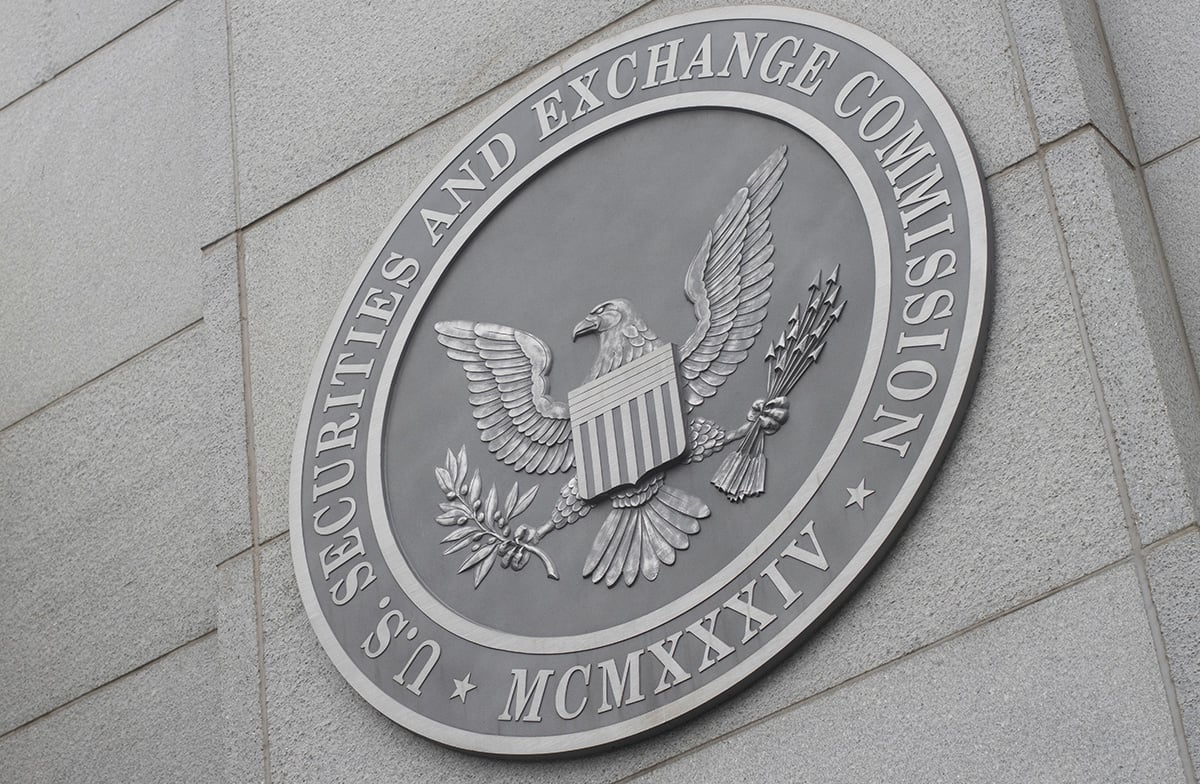
The Securities and Exchange Commission has put forward a proposal to eliminate two decades-old trading regulations that industry analysts believe have prevented tokenized American equities from operating on decentralized finance infrastructure.
These regulations — specifically Rules 611 and 610(e) within Regulation NMS — were established in 2005. Rule 611 mandates that transactions execute at prices no worse than the best available quotation across all trading venues. Meanwhile, Rule 610(e) prohibits trading platforms from displaying quotes that lock or cross against quotations on other exchanges.
Paul Atkins, the SEC Chairman, stated the proposal aims to “simplify market structure and reduce costs for market participants while allowing competition, innovation, and other market forces to shape the continuing evolution of our equity markets.”
The agency has opened a 60-day window for public feedback on the proposal.
Implications for Decentralized Finance
Alex Thorn, who leads research at Galaxy Digital, detailed why these regulations have represented an insurmountable obstacle for tokenized equity trading within cryptocurrency markets.
Automated market makers — the algorithmic protocols that facilitate decentralized exchange operations — function by executing transactions against liquidity pools at whatever price those pools currently reflect. These systems lack the capability to cross-reference pricing on traditional exchanges like Nasdaq. They cannot pause a transaction because superior pricing exists on another platform. Under the framework of Rule 611, this operational model renders virtually every transaction non-compliant.
“Any pool in a tokenized NMS stock would commit trade-throughs constantly and arguably be an illegal trading center,” Thorn explained.
Rule 610(e) presents identical challenges. AMMs dynamically adjust pricing based on ongoing trading activity, which means their displayed quotes would regularly lock or cross the National Best Bid and Offer — behavior that current regulations expressly forbid for trading venues.

Timeline and Next Steps
Should the regulations be eliminated, the SEC is anticipated to shift reliance to a “best execution” framework established under FINRA Rule 5310. This alternative standard operates on principles-based guidance at the broker level, providing flexibility that can accommodate how automated market makers function.
Jaret Seiberg, who serves as managing director at TD Cowen’s Washington Research Group, indicated the proposal has strong prospects for adoption. He projects the rule will be finalized during the first quarter of 2027.
However, Seiberg suggested that tokenization pilot initiatives may not face such extended timelines. He anticipates the SEC will grant early-stage tokenization ventures exemptive relief from Rule 611 compliance requirements before the formal repeal takes effect.
This regulatory proposal forms part of the SEC’s comprehensive “Project Crypto” initiative, which launched in August 2025 with the objective of establishing more defined regulatory frameworks for digital assets and blockchain technology within American financial markets.
Thorn acknowledged that additional regulatory obstacles persist, including requirements around exchange registration, clearance and settlement infrastructure, and regulations not designed with decentralized trading mechanisms in mind. He indicated these challenges may be tackled through an anticipated SEC “innovation exemption” framework.
The regulatory agency had previously intended to unveil a comprehensive tokenized stock trading framework last month but postponed the release after traditional stock exchanges voiced execution-related concerns.
Get 3 Free Stock Ebooks
Discover top-performing stocks in AI, Crypto, and Technology with expert analysis.
- Top 10 AI Stocks - Leading AI companies
- Top 10 Crypto Stocks - Blockchain leaders
- Top 10 Tech Stocks - Tech giants


