



Key Takeaways
- Nasdaq Composite declined 0.5–0.7% on Thursday as semiconductor stocks extended their selloff
- The semiconductor sector index plummeted approximately 3.5%, with Nvidia (NVDA) losing nearly 2%
- Taiwan Semiconductor Manufacturing posted record second-quarter results but shares dropped on pricing guidance
- Dow Jones gained modestly while S&P 500 remained relatively unchanged
- Market sentiment remained mixed amid Middle East tensions and positive employment figures
American equity markets delivered divergent performances Thursday, with the Dow Jones posting modest gains even as the Nasdaq stumbled under the weight of widespread semiconductor sector weakness.
The Dow Jones Industrial Average climbed approximately 0.2%, standing alone among major benchmarks in positive territory. The S&P 500 traded largely sideways around unchanged levels, while the Nasdaq Composite surrendered between 0.5% and 0.7%.
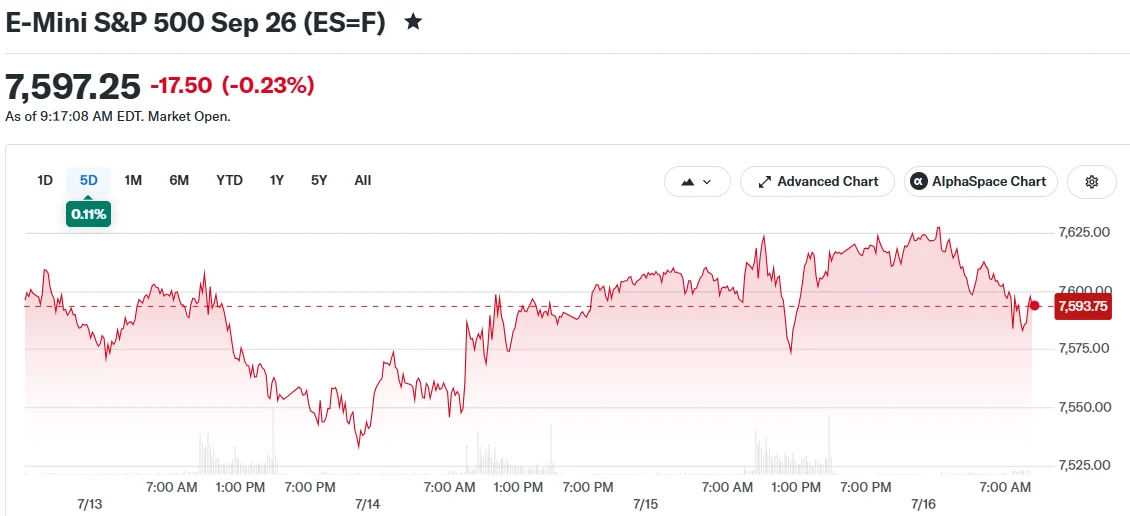
Chip manufacturers bore the brunt of selling pressure. The PHLX Semiconductor Index tumbled approximately 3.5% during Thursday’s trading, extending Wednesday’s 2% decline.
Nvidia paced losses among chipmakers, sliding about 1.8%. The semiconductor industry has faced mounting skepticism from investors questioning whether lofty valuations adequately account for potential returns on artificial intelligence infrastructure investments.
Strong TSMC Results Unable to Reverse Sector Downturn
Taiwan Semiconductor Manufacturing Company unveiled record-breaking second-quarter revenue figures and increased its annual capital expenditure forecast. However, the impressive financial performance couldn’t prevent shares from declining after management signaled forthcoming price increases.

Investor sentiment has oscillated between optimism and caution as market participants scrutinize elevated valuations throughout the chip manufacturing and artificial intelligence sectors.
Wednesday’s trading session painted a contrasting picture. The Magnificent Seven technology giants surged strongly, with Apple jumping 4%, while Alphabet, Meta, and Amazon each advanced more than 3%. Microsoft climbed 2.8%.
Thursday brought a reversal. The Roundhill Magnificent Seven ETF traded in negative territory, with Meta declining 1% and Nvidia posting the steepest losses. The remaining Magnificent Seven stocks that finished higher advanced less than 1%.
Corporate Results and Economic Indicators Shape Trading
UnitedHealth Group and GE Aerospace both exceeded earnings expectations in pre-market releases. Netflix was scheduled to announce quarterly results after market close, capturing significant investor interest.
Regarding economic indicators, June retail sales data revealed consumer spending pressure from elevated gasoline costs. Weekly initial unemployment claims registered below forecasts, signaling continued labor market strength.
Treasury yields and the US dollar edged upward, reflecting the robust employment environment.
Market participants also monitored developments in the Middle East. The United States executed another round of airstrikes targeting Iran on Wednesday. The Wall Street Journal disclosed that President Trump received briefings on potential conflict escalation scenarios, including intensified bombing campaigns and possible ground troop deployment.
Concerns about oil transportation through the Strait of Hormuz persisted among investors due to implications for energy market pricing.
The Nasdaq concluded Wednesday’s session 0.6% higher despite chip sector weakness, but Thursday’s lack of Big Tech support left the index unable to maintain upward momentum.
By mid-morning Thursday, the S&P 500 traded around 7,562, registering modest losses for the session.
Get 3 Free Stock Ebooks
Discover top-performing stocks in AI, Crypto, and Technology with expert analysis.
- Top 10 AI Stocks - Leading AI companies
- Top 10 Crypto Stocks - Blockchain leaders
- Top 10 Tech Stocks - Tech giants


