


Key Takeaways
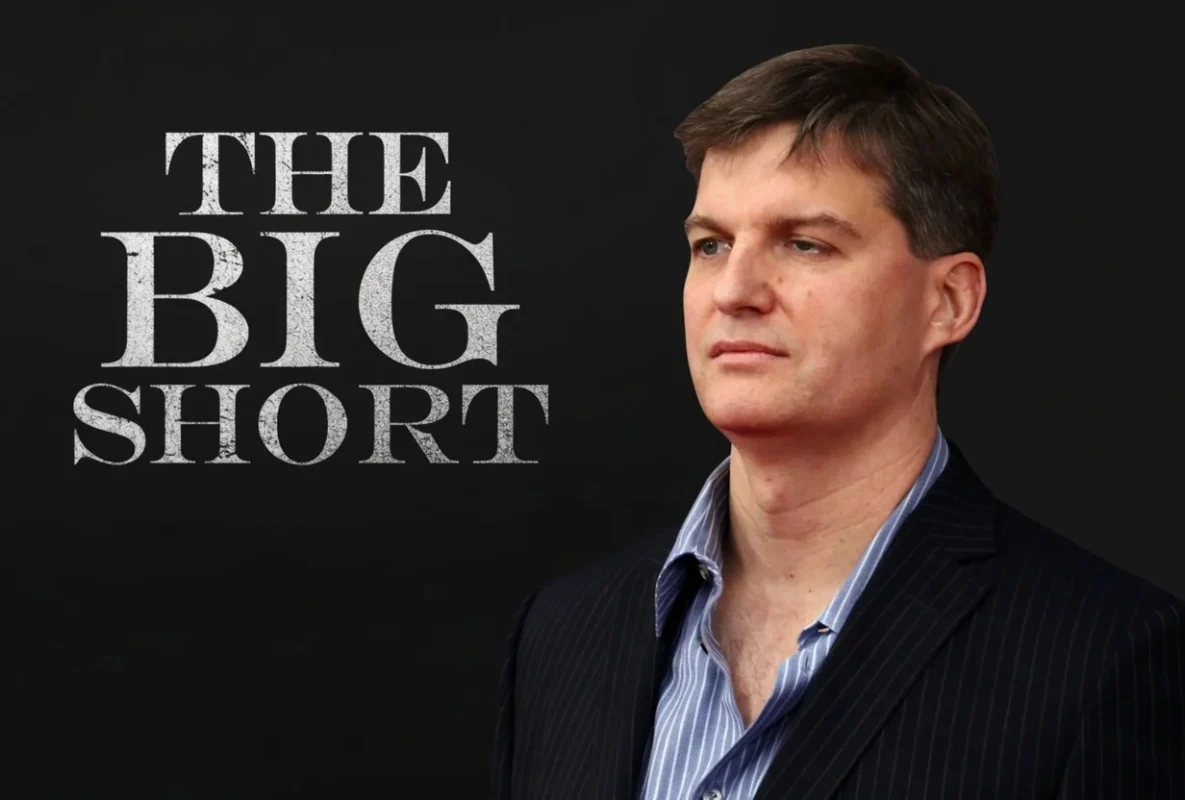
- The Big Short investor Michael Burry has declared Berkshire Hathaway no longer worth owning
- His primary worry centers on whether Greg Abel possesses Warren Buffett’s discipline to wait for exceptional opportunities
- The conglomerate executed $4.5 billion in stock repurchases during the second quarter of 2026
- Cash holdings totaled $365.5 billion at quarter-end, representing approximately a 2% decline from the conclusion of 2025
- Shares of Berkshire’s Class B stock have gained only 3.8% this year compared to the S&P 500’s 13.3% advance
The investor who became famous for forecasting the subprime mortgage collapse has soured on Warren Buffett’s former company. Michael Burry announced via social media platform X this past Sunday that Berkshire Hathaway no longer represents an appealing investment opportunity following Buffett’s retirement from leadership.
Berkshire Hathaway Inc., BRK-B
For years, Burry expressed apprehension about Berkshire’s future once Buffett departed. His primary anxiety centered on whether any successor could match Buffett’s extraordinary discipline in holding capital until truly exceptional opportunities emerged—what Buffett famously termed waiting for a “fat pitch.”
This baseball metaphor, borrowed from Hall of Famer Ted Williams, refers to investments so obviously advantageous—offering minimal risk combined with substantial upside—that they warrant aggressive commitment.
What Burry Says About the New CEO
In his X post, Burry stated: “My biggest fear for Berkshire Hathaway was that Warren Buffett’s eventual successor would lack Buffett’s patience and discipline to wait for the right fat pitch. I believe this fear has come true.”
He continued: “I do not find Berkshire an attractive investment going forward.”
Greg Abel assumed the chief executive position from Buffett in January 2026. With two complete quarters now behind him, market observers have scrutinized his approach to managing Berkshire’s enormous cash stockpile.

Abel has begun allocating capital more actively. During the second quarter of 2026, the company repurchased $4.5 billion worth of its shares. This represents a dramatic increase from the mere $234.2 million repurchased in the first quarter—Berkshire’s first buyback activity since May 2024.
The War Chest Remains Massive
Even with this deployment, Berkshire concluded the second quarter holding $365.5 billion in cash, cash equivalents, and short-duration securities. This figure reflects only a modest 2% reduction from the balance when Buffett transferred leadership at 2025’s conclusion.
Burry recognized that the cash position remains substantially intact. He characterized Abel’s actions thus far as “look to be more framing moves than investment moves,” implying these decisions represent strategic positioning rather than high-conviction capital allocation.
Berkshire reported impressive quarterly financial results. Second-quarter earnings more than doubled year-over-year, powered by investment portfolio gains alongside strong performance from industrial operations and retail subsidiaries.
Nevertheless, the stock has lagged broader market benchmarks. Berkshire’s Class B shares have appreciated merely 3.8% year-to-date in 2026. By comparison, the S&P 500 index has climbed 13.3% during the identical timeframe.
Trading on Monday showed Class B shares at $534.47, representing a daily increase of approximately 2.43%.
Burry’s social media commentary generated more than 1,500 responses on X. His criticism carries particular weight given Berkshire’s longstanding reputation as a conservative, dependable holding rather than a speculative vehicle.
The fundamental issue Burry highlights is whether Berkshire warrants the valuation premium it has historically enjoyed now that the architect of that reputation no longer directs the enterprise.
Get 3 Free Stock Ebooks
Discover top-performing stocks in AI, Crypto, and Technology with expert analysis.
- Top 10 AI Stocks - Leading AI companies
- Top 10 Crypto Stocks - Blockchain leaders
- Top 10 Tech Stocks - Tech giants


