


TLDR
- Stock index futures advanced Monday with Nasdaq leading gains before critical Big Tech earnings releases
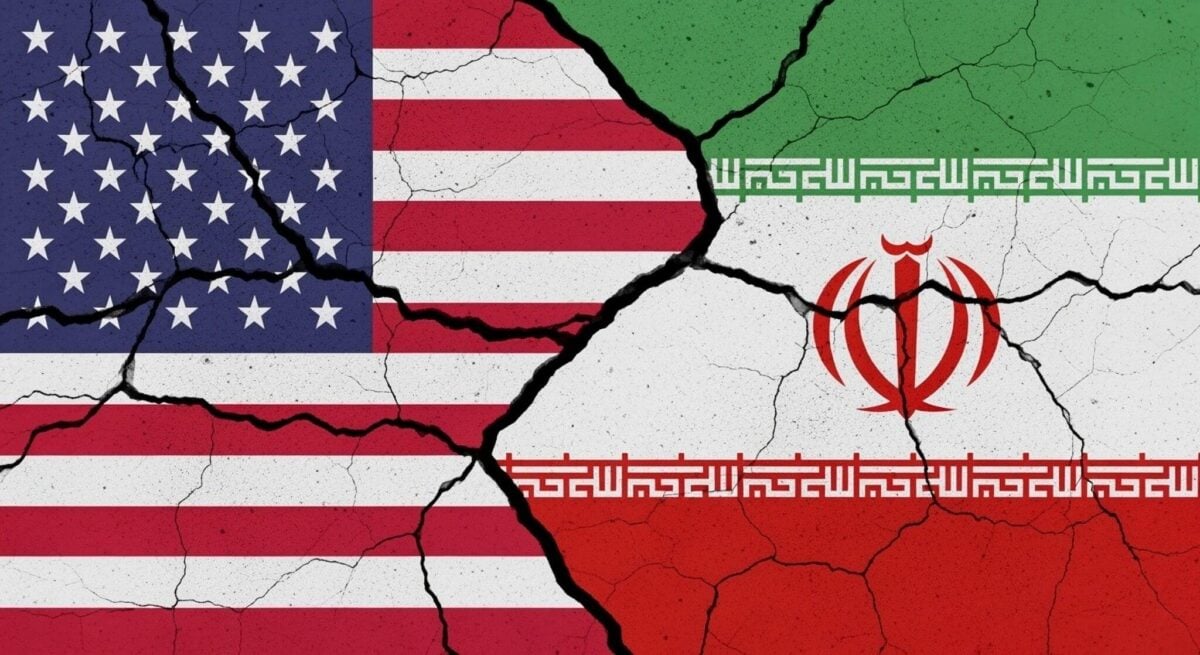
- Weekend hostilities between the US and Iran intensified, including Iranian strikes on Kuwait-based US allies
- Crude oil retreated after Tehran indicated willingness to maintain diplomatic channels through intermediaries
- Key earnings reports from Alphabet, Tesla, Intel, and IBM scheduled for this week
- Bitcoin declined 0.8% to $64,187 as Treasury yields ticked modestly higher
Equity futures in the United States advanced Monday morning as market participants prepared for a crucial week of Big Tech corporate results. The gains materialized even as tensions between Washington and Tehran escalated over the weekend.
Futures tied to the Dow Jones Industrial Average rose 0.1%, while contracts linked to the S&P 500 increased 0.2%. Nasdaq 100 futures demonstrated the strongest performance, advancing approximately 0.4%.
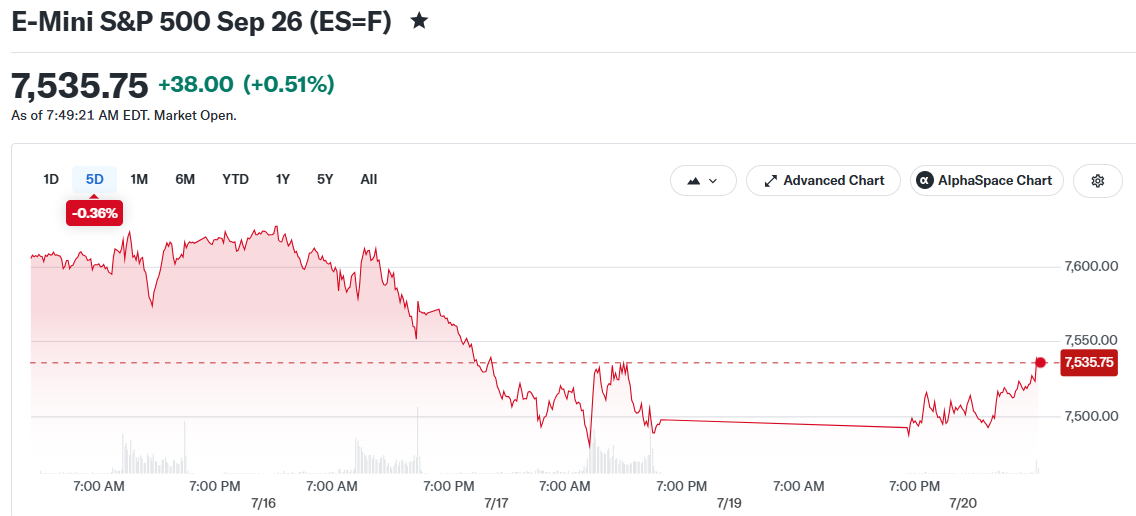
The three benchmark indexes all posted declines during the previous week, pressured by weakness in semiconductor stocks and other companies tied to artificial intelligence developments.
Critical Technology Earnings on the Horizon
Market participants are closely monitoring upcoming financial results from Alphabet, Intel, IBM, and Tesla, all scheduled to report in the coming days. The key question is whether these technology giants can demonstrate that substantial AI investments are translating into meaningful revenue growth.
Artificial intelligence has dominated market narratives in recent months, though multiple sector rotations have left investors seeking renewed evidence that this theme remains viable for sustained gains.

Deutsche Bank’s Jim Reid observed that the prior week served as a reminder of “big unresolved themes” that could pressure markets, especially during typically lighter summer trading volumes.
Middle East Conflict Impacts Markets But Doesn’t Halt Rally
Hostilities between Washington and Tehran intensified during the weekend, marking the ninth consecutive day of American military operations. Iranian forces responded with strikes against regional US allies, including targets in Kuwait. According to US Central Command, an Iranian assault on a Jordanian base resulted in the deaths of two American service members on Friday.
Oil prices jumped initially following the developments but subsequently pulled back. Iran’s suggestion that diplomatic communications with Washington would persist through third-party mediators was interpreted by markets as maintaining potential pathways for de-escalation.
Brent crude futures traded around $86.46 per barrel, significantly below the highs recorded during April and May. West Texas Intermediate futures remained relatively unchanged near $81.74.
Energy traders appear to be increasingly considering scenarios beyond potential Strait of Hormuz disruptions, with alternative export corridors for petroleum being evaluated.
The US dollar held steady versus a basket of major global currencies. The benchmark 10-year Treasury note yield climbed one basis point to 4.56%.
Bitcoin fell 0.8% during the preceding 24-hour period to $64,187. The digital asset frequently moves in tandem with broader risk appetite, and its decline reflected some investor caution entering the week.
E-Mini Nasdaq 100 futures were trading approximately 1% higher, while E-Mini S&P 500 contracts gained roughly 0.55%. E-Mini Dow futures climbed about 0.42% at the time of publication.
Attention now shifts decisively to corporate earnings. The performance of Alphabet, Intel, IBM, and Tesla this week could establish the market’s direction for the remainder of the summer trading period.
Get 3 Free Stock Ebooks
Discover top-performing stocks in AI, Crypto, and Technology with expert analysis.
- Top 10 AI Stocks - Leading AI companies
- Top 10 Crypto Stocks - Blockchain leaders
- Top 10 Tech Stocks - Tech giants


