


Key Takeaways
- Trump has ordered a Department of Justice investigation targeting oil giants for allegedly not reducing gas prices proportionally to crude oil declines
- Chevron and Exxon Mobil have been specifically identified in the federal investigation
- Crude oil has plummeted 36% since May highs, while retail gasoline has decreased only 14%
- Wednesday’s national average gas price stood at $3.93 per gallon, significantly higher than January’s $2.76
- The investigation introduces additional regulatory uncertainty for energy sector investors ahead of midterm elections
President Donald Trump has ordered the Department of Justice to launch an investigation into leading oil corporations, claiming they have not adequately reduced consumer gasoline prices despite significant declines in crude oil costs.
Trump took to Truth Social to publicly criticize the oil industry. “The big Oil Companies are not dropping their price at the pump commensurate with the sharply lower prices they are paying for Oil,” the president stated. He characterized the situation as consumer “gouging” and announced immediate DOJ action.
In a subsequent video released by his administration on X, Trump specifically mentioned Exxon Mobil and Chevron, making these two energy giants the focal points of the federal investigation.
The Price Gap Between Crude and Retail Gasoline
Domestic crude oil prices have experienced a 36% reduction from their peak in May. This substantial decline followed a temporary peace agreement between the United States and Iran, which resulted in the reopening of the Strait of Hormuz. This critical shipping route handles approximately 20% of the world’s oil supply.
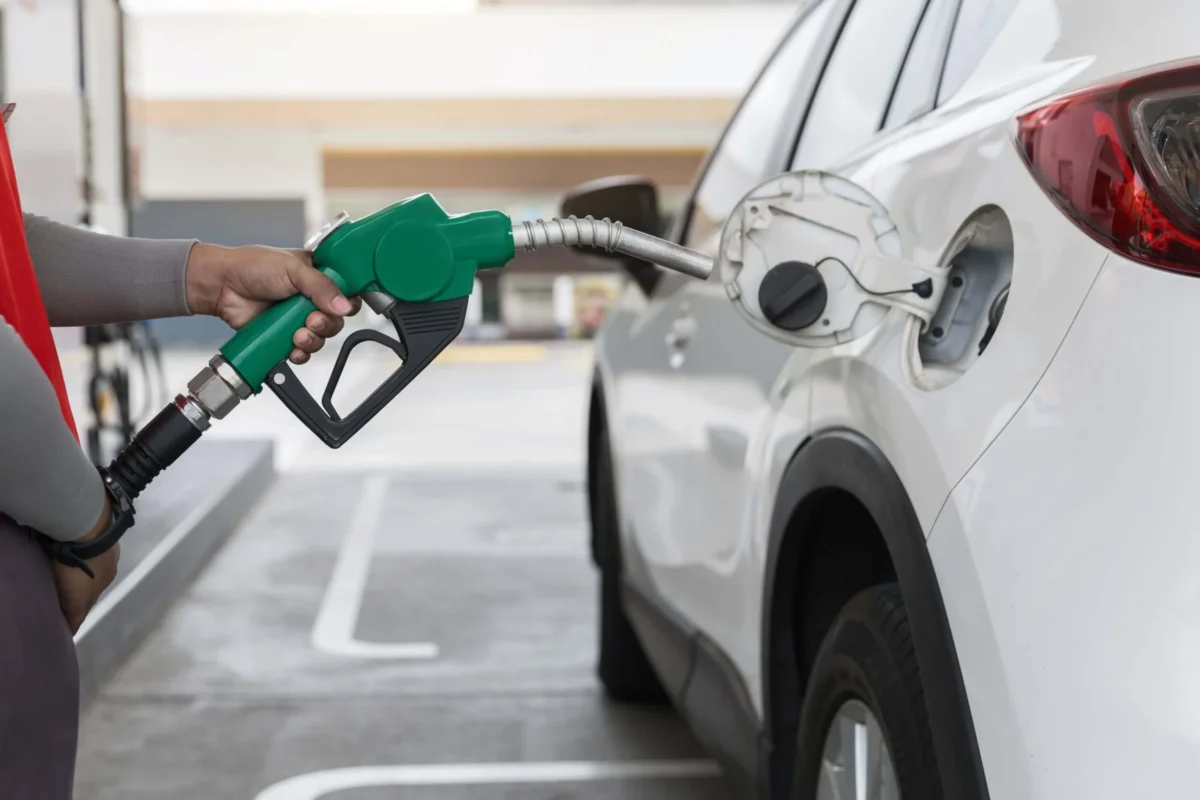
Consumers have seen gasoline prices decrease for six consecutive weeks. However, the reduction at retail locations has been considerably more modest. AAA reports Wednesday’s national average at $3.93 per gallon—a 14% drop from May’s peak, yet still substantially above the $2.76 per gallon average recorded in January prior to the Iran tensions.

The president characterized this pricing disparity as unacceptable.
The American Petroleum Institute issued a rebuttal. Spokesperson Bethany Williams explained that retail gasoline prices don’t mirror crude oil fluctuations precisely, particularly following major international disruptions that continue to impact supply chains, refining operations, and inventory levels.
Neither Exxon nor Chevron provided statements when contacted for this story.
Market Impact on Energy Stocks
Exxon Mobil stock declined 2.03% while Chevron shares dropped 2.57% after the announcement.
These companies operate as integrated energy conglomerates. Retail gasoline pricing represents just one segment of their extensive operations, which span upstream exploration and production, refining facilities, petrochemical manufacturing, and international commodity trading.
Nevertheless, the political dimension carries weight. With November’s midterm elections approaching and gasoline prices remaining a prominent voter concern, Trump and Republican lawmakers have strong incentives to maintain pressure on the industry.
From an investment perspective, the immediate worry centers less on potential legal consequences and more on heightened regulatory uncertainty. Should the investigation expand, scrutiny may extend to refining profit margins and pricing mechanisms throughout the broader energy industry.
The probe’s scope could potentially encompass refineries and fuel distribution networks beyond Exxon and Chevron, given that multiple factors beyond crude oil costs influence pump prices.
Get 3 Free Stock Ebooks
Discover top-performing stocks in AI, Crypto, and Technology with expert analysis.
- Top 10 AI Stocks - Leading AI companies
- Top 10 Crypto Stocks - Blockchain leaders
- Top 10 Tech Stocks - Tech giants


