


Key Highlights
- Zoox is launching testing operations in Houston and San Diego, expanding its footprint to 12 US markets
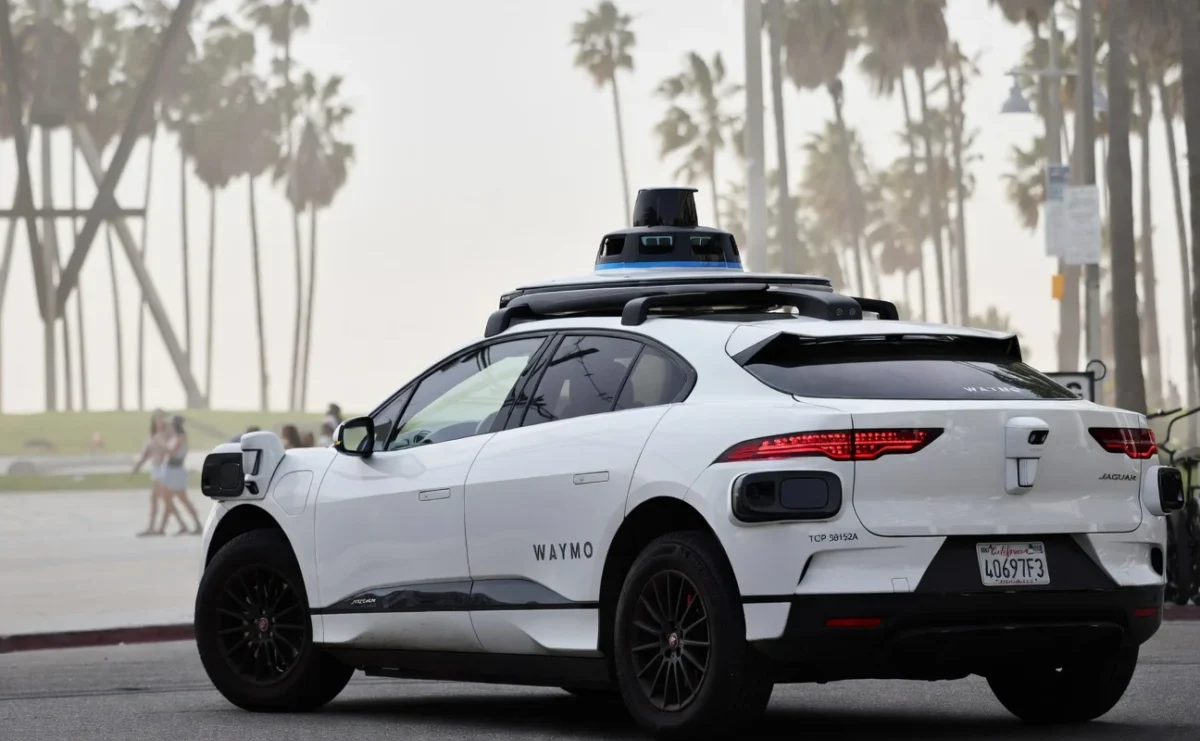
- Waymo is introducing commercial driverless services in Denver, San Diego, and Tampa, expanding to 14 cities total
- Waymo completes more than 500,000 autonomous rides weekly and targets 1 million by the end of 2025
- Industry analysts forecast the US autonomous taxi sector will hit $19 billion in 2030, climbing to $48 billion by 2035
- These strategic moves precede Tesla’s highly anticipated September 3 presentation on its Cybercab robotaxi initiative
Two major players in autonomous transportation—Alphabet’s Waymo and Amazon-backed Zoox—have unveiled significant service expansions across additional US metropolitan areas, intensifying the battle for dominance in the self-driving taxi sector.
Amazon’s Zoox revealed intentions to commence operations in both Houston and San Diego. This strategic move increases the company’s operational footprint across the United States to a dozen cities.
The rollout process will initially involve modified conventional vehicles equipped for detailed route mapping. Following completion of this preliminary phase, Zoox will deploy its custom-designed autonomous robotaxis without steering wheels or pedals.
Currently, Zoox provides complimentary passenger transportation in Las Vegas, San Francisco, Austin, and Miami through its ongoing pilot programs. The company transitioned to fee-based service in Las Vegas last August, representing its sole commercial operation at present.
Waymo Accelerates Commercial Operations Across Three Cities
Waymo is advancing more aggressively on the revenue-generating front. The company has officially opened its autonomous ride service to public passengers in Denver, San Diego, and Tampa.
This latest deployment extends Waymo’s completely driverless transportation network to 14 metropolitan areas nationwide. The organization plans a phased rollout, progressively increasing rider access across these three newly launched markets.

Waymo currently processes upwards of 500,000 fully autonomous trips each week throughout its operational regions. Company executives have established an ambitious goal of exceeding 1 million weekly journeys before 2025 concludes.
International expansion is also underway for Waymo. The company announced last month it would initiate testing in Munich, Germany, with plans for full commercial deployment in the German market by late 2027.
Tesla Announcement Intensifies Industry Competition
Both expansion announcements arrive strategically ahead of Tesla’s scheduled September 3 presentation. The electric vehicle manufacturer is anticipated to reveal detailed plans for its Cybercab platform and autonomous ride-hailing strategy during the event.
Tesla represents a significant competitive threat in the autonomous transportation landscape, positioning itself against established operators like Waymo and Zoox. The proximity of these announcements to Tesla’s showcase underscores the accelerating pace of innovation and deployment in this emerging sector.
Financial analysts at Goldman Sachs Research anticipate the US robotaxi industry will generate $19 billion in annual revenue by 2030. Their projections indicate substantial growth to $48 billion within the following five years, reaching that milestone in 2035.
Zoox continues to lag behind Waymo regarding commercial deployment scale. While Waymo delivers paid autonomous services across numerous metropolitan areas, Zoox maintains fee-based operations exclusively in Las Vegas at this time.
Each company is aggressively pursuing rapid scaling strategies. Currently, Waymo maintains a commanding advantage with broader geographic coverage and substantially higher weekly ridership volumes.
Industry observers expect heightened media attention on the autonomous vehicle sector this week as Tesla presents its robotaxi vision on September 3, potentially reshaping competitive dynamics in this fast-evolving market.
Get 3 Free Stock Ebooks
Discover top-performing stocks in AI, Crypto, and Technology with expert analysis.
- Top 10 AI Stocks - Leading AI companies
- Top 10 Crypto Stocks - Blockchain leaders
- Top 10 Tech Stocks - Tech giants


