


Key Takeaways
- Western Digital shares dropped more than 7% on Monday, retreating to approximately $539
- SK Hynix experienced its largest single-day decline ever, plummeting over 15% in Asian markets and sparking sector-wide panic
- KIS Securities released a Q2 earnings projection for SK Hynix that missed consensus estimates by roughly 8%, blaming sluggish HBM4 deployment
- Micron Technology, SanDisk, and Seagate Technology experienced significant losses; major U.S. indices posted gains
- Citi analysts reaffirmed their Buy rating on WDC and increased their price target to $800, though the selloff continued
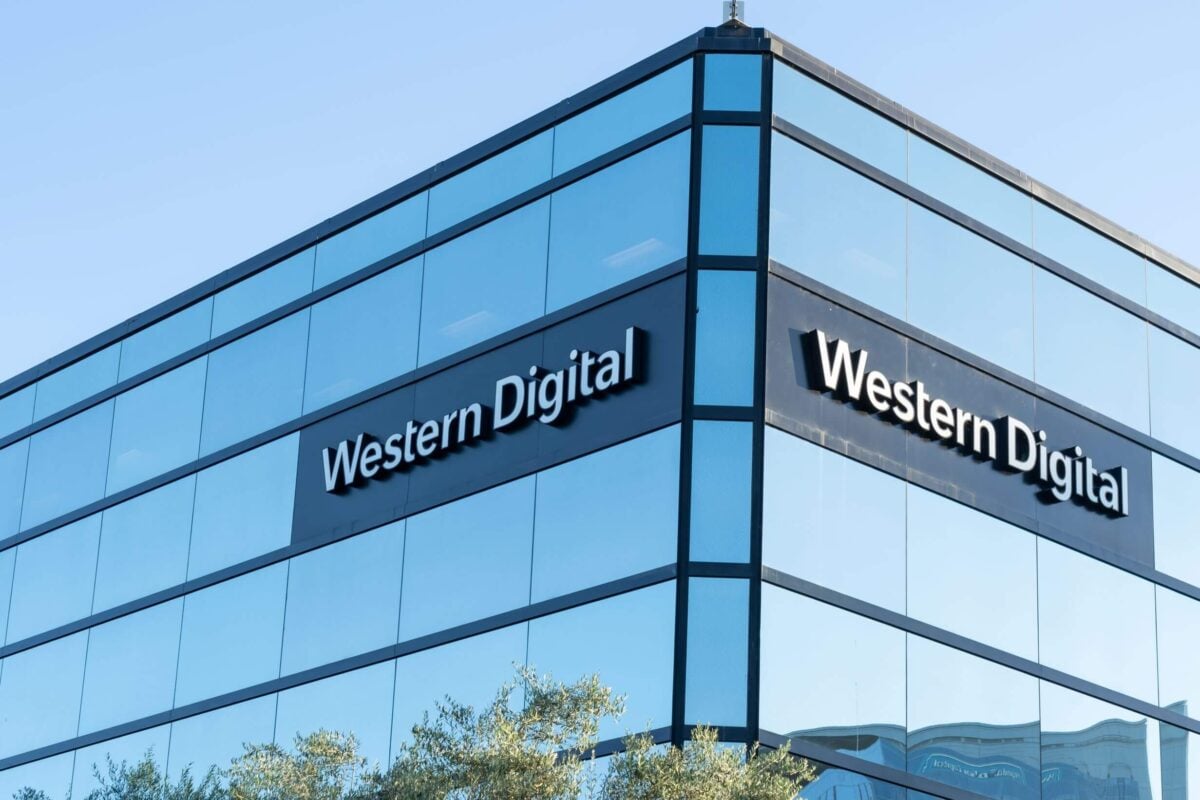
Shares of Western Digital tumbled more than 7% during Monday’s trading session, caught in a sweeping selloff that hammered memory and storage companies across the board. The stock traded near $539, a significant retreat from its 52-week peak of $799.87.
Western Digital Corporation, WDC
The decline had nothing to do with Western Digital’s own operations or announcements. The trouble originated overseas with SK Hynix.
SK Hynix shares collapsed by more than 15% during Monday’s session in South Korea — marking the company’s most severe single-day decline on record. Investors liquidated positions following a robust rally ahead of its Nasdaq debut. The dramatic selloff dragged South Korea’s Kospi index down 9% and triggered a 20-minute circuit breaker halt.
The contagion quickly spread across global markets. SanDisk declined over 6% during premarket hours. Micron Technology lost more than 5%. Seagate Technology shed over 4%. The entire memory semiconductor sector found itself swept up in the downdraft.

Disappointing Earnings Projection Intensifies Pressure
The situation deteriorated further when South Korean financial institution KIS Securities published a second-quarter earnings projection for SK Hynix that landed approximately 8% beneath Wall Street’s consensus expectations.
KIS analysts identified two primary concerns: shipment volumes of HBM4 memory chips weren’t ramping up at anticipated rates, and SK Hynix’s concentrated exposure to HBM contracts was preventing the company from fully capitalizing on improving prices in traditional DRAM markets.
This forecast was sufficient to unsettle confidence throughout the sector. Market participants began questioning whether the AI-driven memory boom still had substantial runway ahead — or if momentum was beginning to fade.
Nvidia, AMD, and Intel all experienced premarket declines as well, with SanDisk and Micron absorbing the most severe losses among domestically traded names.
Citi Maintains Bullish Stance
Not all analysts are abandoning their optimistic outlook. Citi analyst Asiya Merchant reaffirmed her Buy recommendation on WDC Monday while simultaneously lifting her price objective from $685 to $800.
The revision formed part of Citi’s comprehensive second-quarter earnings preview covering electronic components and equipment manufacturers. Merchant has consistently highlighted constrained supply conditions and robust AI infrastructure demand as tailwinds supporting Western Digital’s ability to command premium pricing.
While the upgrade didn’t prevent the stock’s decline, the recommendation suggests that certain Wall Street observers view the pullback as temporary volatility rather than a fundamental deterioration.
The consensus view among Wall Street analysts covering WDC remains decidedly positive. With 15 Buy recommendations and four Hold ratings issued over the past three months, the stock holds a Strong Buy consensus rating.
The average analyst price target stands at $648.44, suggesting approximately 11% upside potential from present trading levels.
Broader U.S. equity markets provided no support for the memory sector’s weakness. The S&P 500 advanced 0.4%, the Dow Jones Industrial Average gained 0.3%, and the Nasdaq Composite rose 0.3% — clearly indicating this represented sector-specific turbulence rather than broad-based market concerns.
WDC’s 52-week high remains at $799.87. With shares currently changing hands around $539, the disconnect between current prices and analyst expectations has widened considerably.
Citi’s $800 price target, maintained despite Monday’s sharp decline, keeps that upside potential firmly in focus.
Get 3 Free Stock Ebooks
Discover top-performing stocks in AI, Crypto, and Technology with expert analysis.
- Top 10 AI Stocks - Leading AI companies
- Top 10 Crypto Stocks - Blockchain leaders
- Top 10 Tech Stocks - Tech giants


