


TLDRs;
- American Airlines stock rises as oil prices fall and fuel costs ease for airlines
- AAL gains on crude decline driven by easing geopolitical tensions and supply concerns
- Lower jet fuel expectations support airline sentiment despite ongoing financial pressure
- Investors watch demand strength and Q2 outlook as volatility in oil markets continues
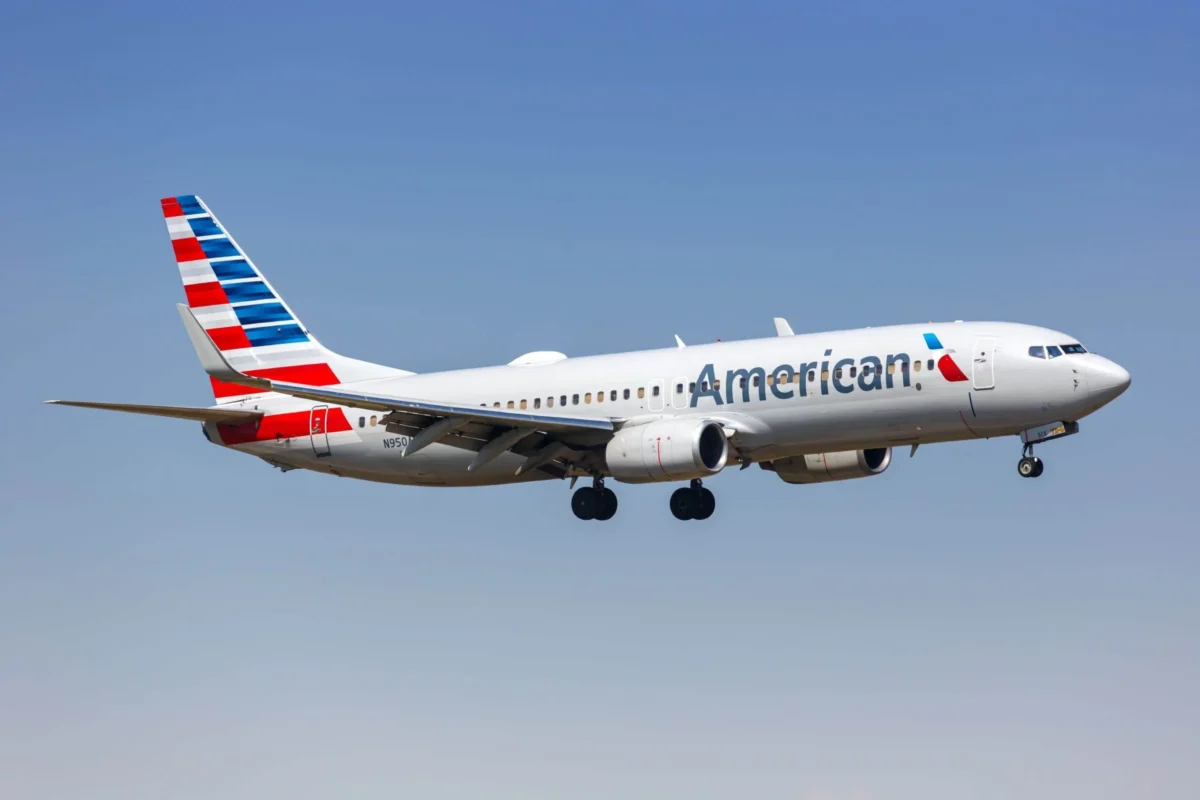
American Airlines Group Inc. (NASDAQ: AAL) climbed sharply in Monday’s trading session, rising roughly 3% as a sudden drop in global oil prices provided relief to airlines grappling with elevated fuel expenses.
The move came as crude markets reacted to easing geopolitical tensions, sparking optimism across the aviation sector.
Shares of American Airlines gained momentum throughout the day, finishing at $15.46 after adding $0.49. The stock briefly reached an intraday high of $15.89 before settling slightly lower into the close. Trading activity was notably heavy, with more than 180 million shares changing hands, reflecting heightened investor interest tied to macroeconomic developments rather than company-specific news.
The rally was largely triggered by a sharp decline in crude oil prices after reports indicated that the United States and Iran had reached preliminary agreement terms aimed at reducing tensions and stabilizing shipping routes. Brent crude fell about 5.5% to $82.55 per barrel, while West Texas Intermediate dropped 5.8% to $79.96. The easing of concerns around the Strait of Hormuz—a critical global energy chokepoint responsible for a significant share of global oil transport—helped cool energy markets.
For airlines like American, fuel remains one of the largest operating costs, and even modest declines in crude prices can have a meaningful impact on investor sentiment. While analysts caution that changes in crude prices do not immediately translate into lower jet fuel expenses, sustained weakness in oil often improves margin expectations over time.
American Airlines Group Inc., AAL

Earnings Pressure Still Visible
Despite the positive trading reaction, American Airlines continues to face structural financial challenges. The carrier recently reported a strong first quarter with revenue reaching a record $13.9 billion, but it still posted a GAAP net loss of $382 million, or $0.58 per share. The company’s guidance for the second quarter remains mixed, with adjusted earnings expected to range between a slight loss and break-even levels.
Fuel expenses remain a major concern, with jet fuel costs projected to exceed $4 billion in the current quarter. Although American has made progress in reducing its debt, now at $34.7 billion, its lowest level since 2015, the balance sheet continues to reflect the strain of cyclical demand and volatile input costs.
Demand Trends Provide Support
On the revenue side, American Airlines continues to benefit from steady travel demand. Management has indicated that the airline is approximately 80% booked for the second quarter, with corporate travel showing a 13% year-over-year increase. Overall revenue is projected to rise about 15% in Q2, supported by a 5% increase in capacity, suggesting improving unit revenue trends across key routes.
Unit revenue growth, measuring revenue per available seat mile, remains a critical indicator for airline profitability. If demand holds and fuel costs continue to ease, analysts suggest that earnings upside could materialize faster than previously expected.
Analyst Views Remain Mixed
Even with Monday’s rally, investor sentiment remains divided. American Airlines is currently trading close to the average Wall Street price target, leaving limited perceived upside in the near term. Analyst estimates range widely, reflecting uncertainty over fuel trends, demand sustainability, and macroeconomic risks.
Some analysts argue that lower oil prices could offer a meaningful tailwind for margins if geopolitical conditions remain stable. Others caution that any reversal in crude trends or slowdown in travel demand could quickly pressure the stock again, especially given its high operating leverage.
Outlook Hinges on Fuel Stability
Looking ahead, investors are closely watching upcoming developments in global energy markets and geopolitical negotiations that could further influence oil supply dynamics. Traders are also awaiting upcoming airline earnings reports for clearer guidance on demand strength, pricing power, and cost control.
For now, American Airlines sits at the intersection of easing fuel pressure and ongoing financial strain. The recent rally reflects optimism tied to macro conditions, but long-term performance will depend on whether lower oil prices persist and whether travel demand continues to absorb rising operational costs.
Get 3 Free Stock Ebooks
Discover top-performing stocks in AI, Crypto, and Technology with expert analysis.
- Top 10 AI Stocks - Leading AI companies
- Top 10 Crypto Stocks - Blockchain leaders
- Top 10 Tech Stocks - Tech giants


