


Key Highlights
- The legendary investor disclosed bearish positions targeting Tesla, Nvidia, Caterpillar, Applied Materials, and a semiconductor exchange-traded fund
- His Caterpillar short entered at $1,060.98 following an 86% surge during the first six months of 2026
- According to Burry, the Philadelphia Semiconductor Index trading 65% beyond its 200-day moving average mirrors conditions from the 2000 tech crash
- The investor characterized South Korean technology investment initiatives as signaling “the beginning of the end” for AI-driven market gains
- Additional bearish positions include Palantir, while Burry has repeatedly questioned Nvidia’s financial structuring methods
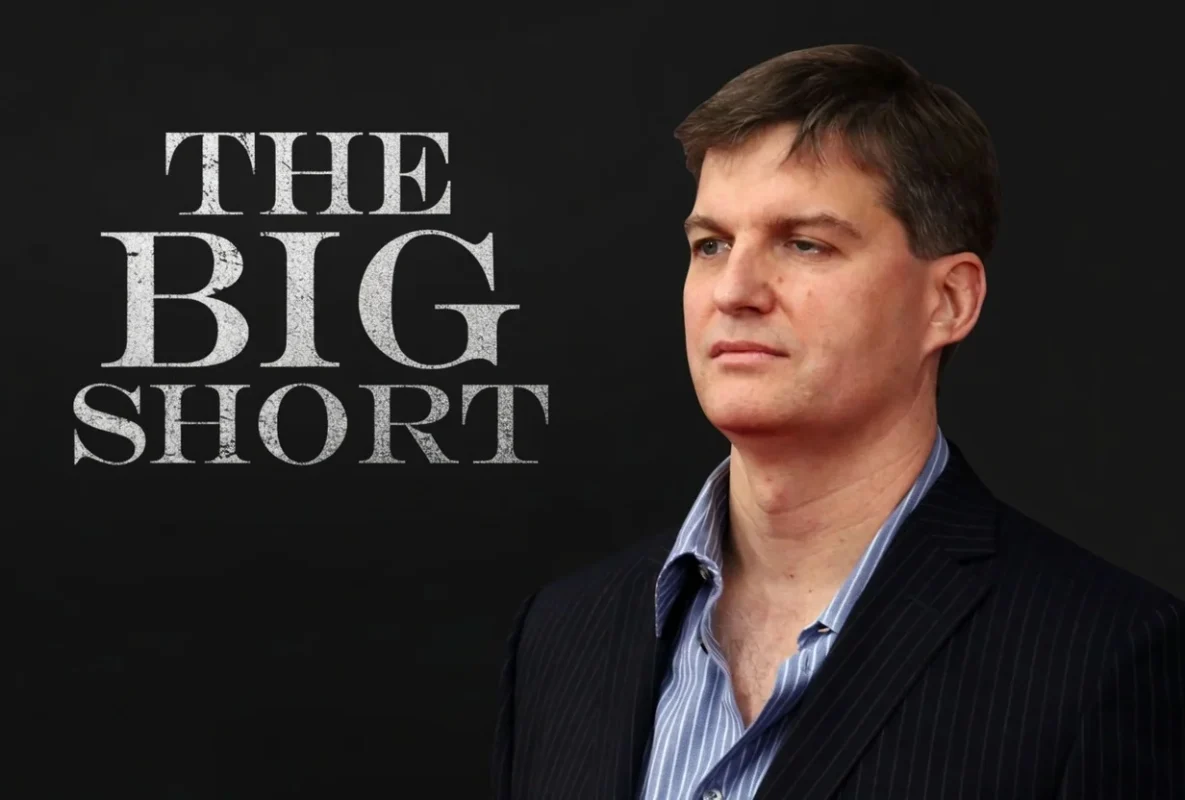
The investor who gained worldwide recognition for profiting from the 2008 housing crisis has unveiled new bearish positions against leading companies riding the artificial intelligence market surge.
Through a June 30 Substack publication, Michael Burry announced short trades targeting major corporations including Caterpillar, Nvidia, Tesla, Applied Materials, and a semiconductor-focused ETF.
Burry initiated his Caterpillar short position at $1,060.98, identifying the industrial equipment manufacturer as significantly overpriced among companies benefiting from AI infrastructure investments. The construction equipment giant’s shares surged 86% during 2026’s opening half.
“Caterpillar caught my attention,” the investor explained. “I’ve never previously taken a short position in Caterpillar. Historically, I’ve achieved excellent returns going long on this company.”
He published data illustrating Caterpillar’s price-to-sales multiple reaching unprecedented heights over the past thirty years as shares climbed to all-time peaks.

Chip Sector Concerns
The Philadelphia Semiconductor Index also raised red flags for Burry. According to his analysis, the benchmark trades approximately 65% above its 200-day moving average—a premium last witnessed during the 2000 internet bubble collapse.
The index’s price-to-sales ratio exceeded 16 times, even when Nvidia is removed from calculations. “The SOXX represents overvaluation in its purest index form,” he stated, emphasizing that a downturn was inevitable and “only a matter of time.”
Burry adjusted his put options on the semiconductor ETF, extending expiration from January 2027 to March 2027 and increasing strike prices from the $320–$350 range to above $400.
He established a short position in Nvidia at $198.09. Previously, Burry has described Nvidia’s financing mechanisms as “fugazi,” detailing intricate arrangements involving insurance companies, reinsurance providers, and private lending institutions that support AI infrastructure expenditures.
Electric Vehicles and Chip Equipment
Burry revealed shorting Tesla at $416.22, noting: “Pleased it rebounded to this price point.” He withheld information regarding position sizing.
Tesla has declined roughly 4% year-to-date notwithstanding an 11% weekly advance preceding Burry’s transaction. Market participants continue citing weakening electric vehicle demand and postponements in autonomous taxi services and self-driving technology deployment as persistent challenges.
Applied Materials received a short at $729.40. Separately, Cantor Fitzgerald elevated its price objective for the semiconductor equipment maker to $850 from $650, maintaining its Overweight recommendation.
Burry maintains a bearish stance on Palantir, though he offered limited specifics about that trade.
He connected the recent artificial intelligence market rally partially to South Korean technology investment declarations. “I interpret that as the beginning of the end,” he commented.
Get 3 Free Stock Ebooks
Discover top-performing stocks in AI, Crypto, and Technology with expert analysis.
- Top 10 AI Stocks - Leading AI companies
- Top 10 Crypto Stocks - Blockchain leaders
- Top 10 Tech Stocks - Tech giants


