


Quick Summary
- Bitcoin’s fixed supply of 21 million coins positions it as a rare digital asset attracting institutional capital
- Ethereum drives the decentralized finance ecosystem, smart contract functionality, and tokenization infrastructure
- Traditional investors can now access Bitcoin exposure through spot ETFs without managing digital wallets
- Ethereum’s proof-of-stake transition reduced environmental impact while enabling staking income for token holders
- Portfolio diversification has led many investors to hold both cryptocurrencies as complementary holdings
Bitcoin and Ethereum dominate the cryptocurrency landscape by market capitalization. Yet their fundamental purposes diverge significantly, leaving 2026 investors wondering which presents the superior opportunity.
Your ideal choice hinges on your investment objectives.
Bitcoin: The Digital Gold Argument
Bitcoin was designed to function as a value preservation mechanism. With a hard cap of 21 million coins, it ranks among the world’s most limited assets.
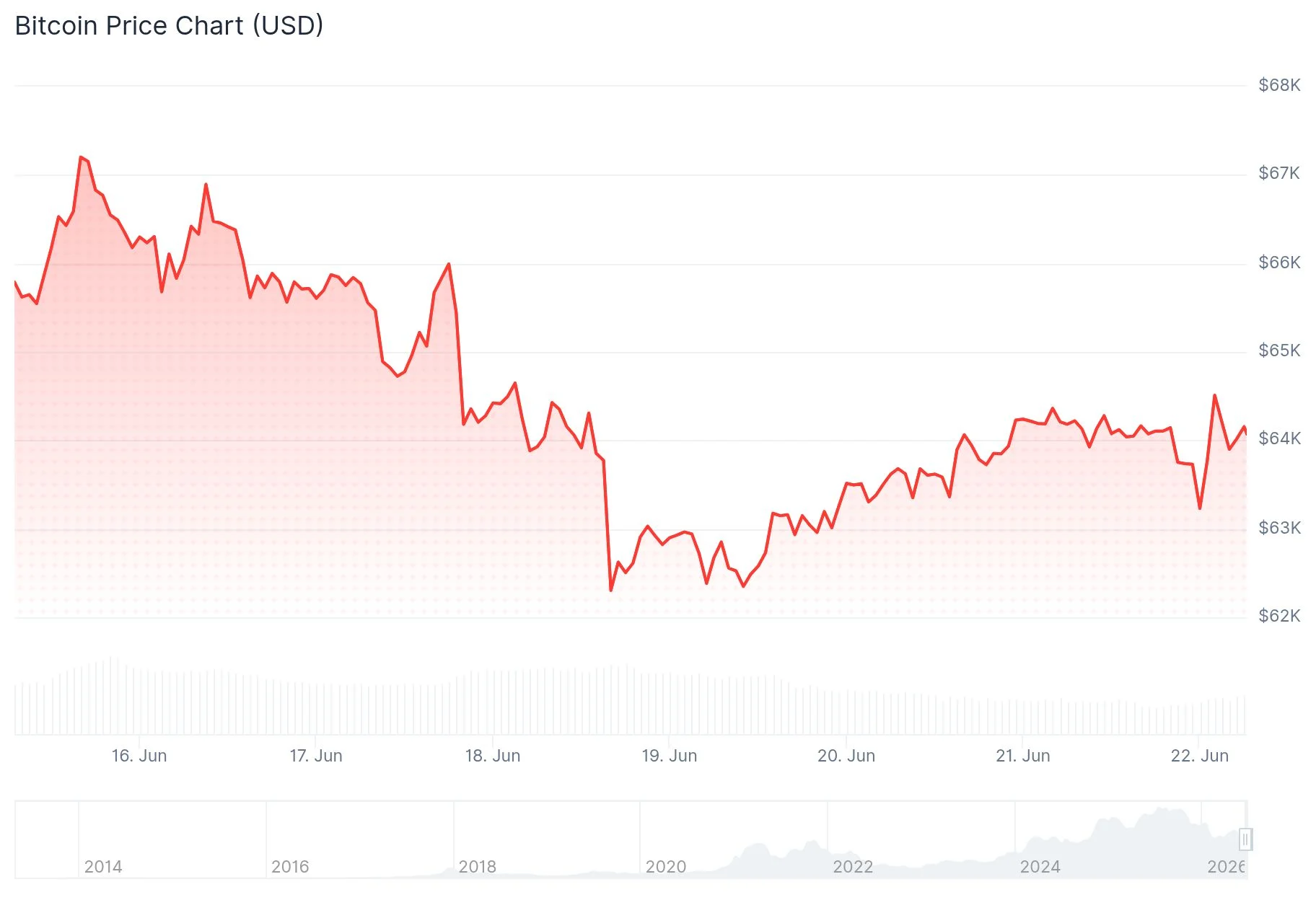
This built-in scarcity has drawn institutional capital, retirement fund allocations, and corporate treasury investments. The introduction of spot Bitcoin ETFs has further simplified access for conventional investors who prefer avoiding cryptocurrency custody responsibilities.
Financial experts increasingly draw parallels between Bitcoin and precious metals like gold. Should this comparison prove accurate, sustained institutional demand may provide long-term price support.

Bitcoin enjoys an unchallenged position in its category. No competing cryptocurrency has successfully positioned itself as an alternative digital value store.
For risk-averse investors, this straightforward value proposition combined with institutional adoption presents Bitcoin as the more conservative choice.
Ethereum: The Utility Blockchain Thesis
Ethereum derives its worth from network activity. The platform enables decentralized finance protocols, stablecoin infrastructure, real-world asset tokenization, and countless decentralized applications.
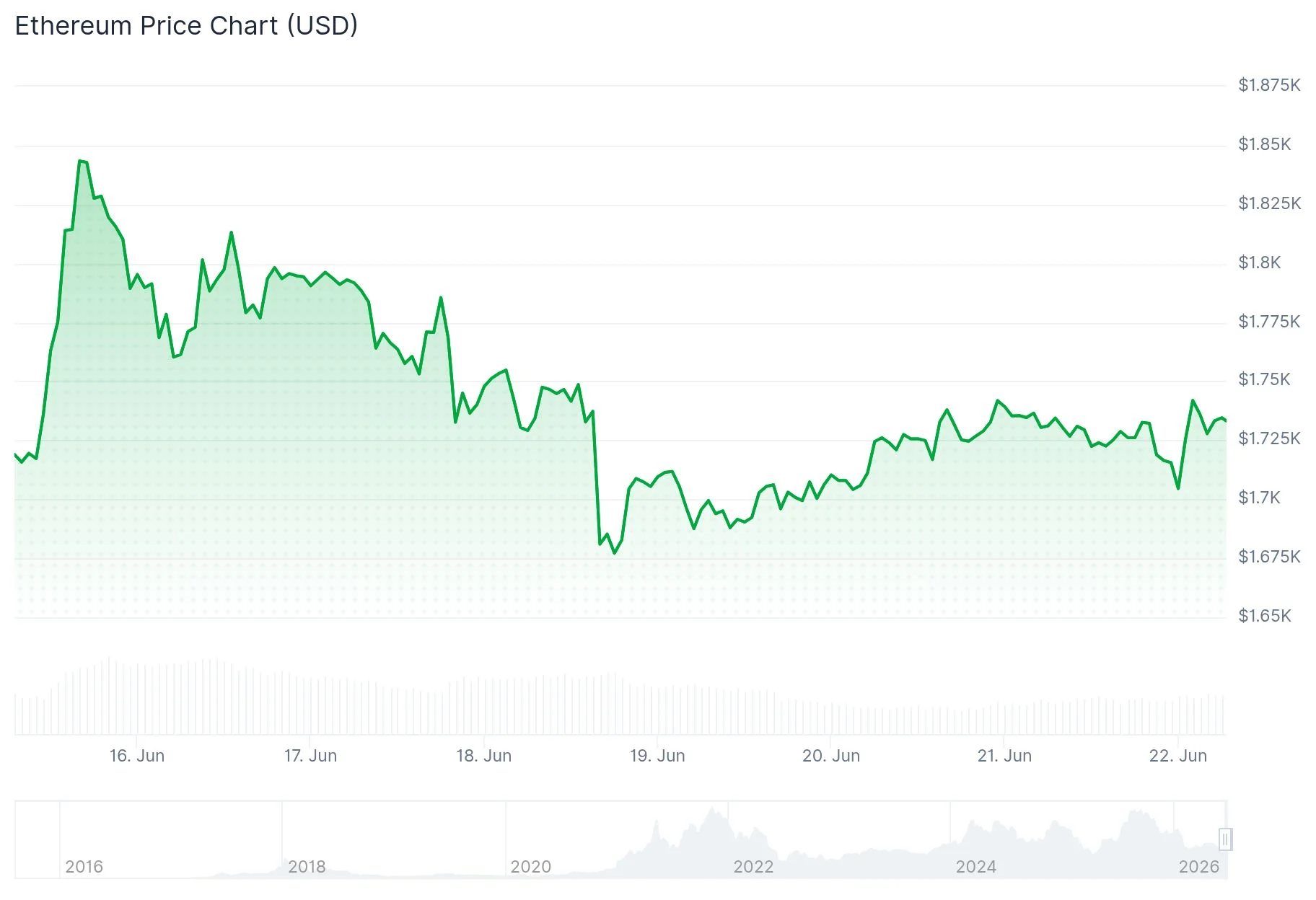
Each transaction and interaction on these applications generates network fees. Increased platform usage directly correlates with heightened network demand.
Ethereum’s transition to proof-of-stake slashed energy consumption dramatically. This upgrade simultaneously introduced staking capabilities, allowing token holders to generate passive income while contributing to network security.
Traditional finance giants are actively exploring blockchain-based securities and investment vehicles. Ethereum remains a primary infrastructure choice for these institutional experiments.
Advocates position Ethereum as a technology ecosystem rather than merely a digital currency.
Competitive Landscape and Risk Factors
Ethereum confronts significantly more competitive pressure than Bitcoin. Alternative platforms including Solana and Avalanche actively compete for developer talent and user adoption.
Bitcoin faces no comparable challenge. Its digital gold narrative remains essentially uncontested.
Nevertheless, both assets have secured substantial institutional investment. Both cryptocurrencies now feature prominently in traditional finance discussions.
The investor community increasingly views them as complementary rather than competing investments. Portfolio strategies often incorporate both, leveraging Bitcoin for stability and Ethereum for growth potential.
As 2026 unfolds, Bitcoin maintains stronger institutional brand recognition. Ethereum offers greater upside potential linked to broader blockchain technology adoption.
Current metrics confirm Ethereum’s continued leadership across all blockchain platforms in total value locked within decentralized finance protocols.
Get 3 Free Stock Ebooks
Discover top-performing stocks in AI, Crypto, and Technology with expert analysis.
- Top 10 AI Stocks - Leading AI companies
- Top 10 Crypto Stocks - Blockchain leaders
- Top 10 Tech Stocks - Tech giants


