


TLDR
- Shares of Costco touched $946.11, representing the lowest level since late January following seven losing sessions in eight days.
- The decline came after Q3 results showed earnings missing forecasts by six cents despite better-than-expected revenue.
- Jefferies and Mizuho analysts highlight that the retailer’s commitment to value pricing drives membership retention and sustained foot traffic.
- Costco earned a spot on D.A. Davidson’s best-of-breed roster, with analysts pointing to the warehouse club’s durable competitive advantages.
- Despite trading near 42x forward earnings, Wall Street projects strong double-digit profit expansion for the current and upcoming fiscal years.
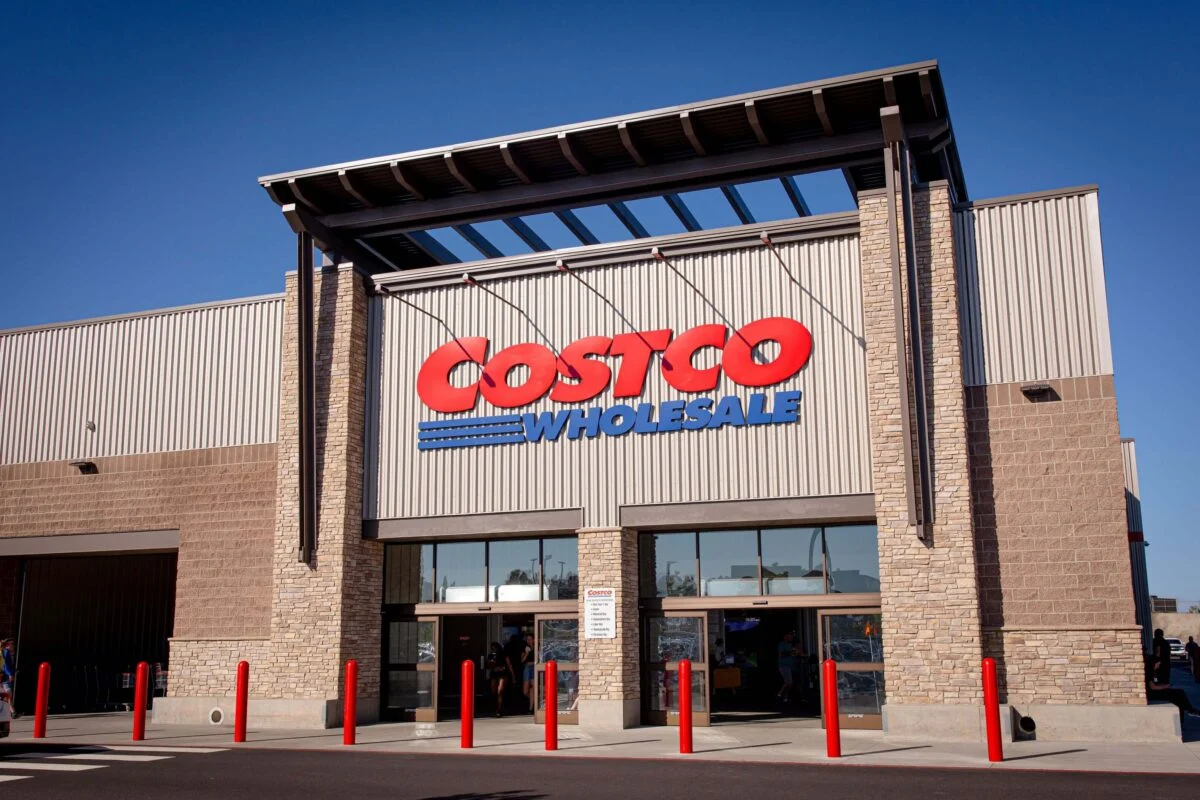
Costco Wholesale (COST) has endured a challenging period recently. Shares settled at $946.11 on Monday — representing the weakest closing level since late January — following losses in seven out of eight consecutive trading days.
Costco Wholesale Corporation, COST
This marks approximately a 16% retreat from the all-time closing peak of $1,094.32 achieved earlier in the month.
Despite this setback, the warehouse retailer maintains roughly 10% gains year-to-date. However, the recent downturn has ignited discussion among investors: does this represent a warning signal or an attractive entry point?
The selling pressure began following Costco’s third-quarter fiscal results disclosed last Thursday. Per-share profits fell six cents short of Wall Street projections. Topline performance, conversely, surpassed consensus, while underlying business metrics demonstrated ongoing momentum.

Comparable store sales climbed 12% in aggregate, powered significantly by robust gasoline sales. Stripping out fuel, comparable sales advanced 6.6% — narrowly trailing the 6.7% analyst forecast.
What Analysts Are Saying
Mizuho’s David Bellinger remained unfazed by the results. He emphasized that the company’s strategy of maintaining competitive pricing represents a fundamental pillar of its business model — the mechanism through which it sustains high renewal rates and encourages repeat visits.
Corey Tarlowe from Jefferies echoed this perspective. “Strong gasoline participation is strengthening member commitment and visit frequency, bolstering both immediate comparable sales and the long-term ecosystem,” he stated.
Certainly, aggressive pricing pressures profit margins. Yet analysts interpret this as a calculated strategy rather than a fundamental weakness.
Michael Baker at D.A. Davidson went further, elevating Costco to the firm’s best-of-breed selection in the wake of the pullback. He highlighted the warehouse format’s protective moat — including high entry barriers, curated merchandise selection, and reliable membership revenue streams.
Baker’s research reveals a compelling narrative. While warehouse clubs represent merely 5% of aggregate U.S. retail, they’ve expanded at a 6% annual clip since 2007 and 11% annually from 2018 onward — substantially outpacing broader retail and grocery categories.
“Costco has captured market share from rival warehouse operators and the retail sector broadly, expanding 9% per year since 2007,” Baker observed.
The Valuation Question
Not all observers are ready to jump in. Even Baker acknowledged valuation concerns. At approximately 42x forward earnings, COST remains richly valued — even following the correction.
Certain analyses place the trailing earnings multiple closer to 50x, creating hesitation among some market participants given prevailing macroeconomic conditions.
Nevertheless, consensus Wall Street forecasts anticipate double-digit earnings expansion for both the current fiscal period and the following year.
The retailer has also distributed $19.7 billion to shareholders via dividends across the previous five years, supplemented by an additional $3.2 billion in stock repurchases.
As of Monday’s close, COST was changing hands around $949.50.
Get 3 Free Stock Ebooks
Discover top-performing stocks in AI, Crypto, and Technology with expert analysis.
- Top 10 AI Stocks - Leading AI companies
- Top 10 Crypto Stocks - Blockchain leaders
- Top 10 Tech Stocks - Tech giants


