


Quick Summary
- President Trump announced the termination of the U.S.-Iran peace memorandum during a NATO gathering in Turkey, triggering significant oil price increases.
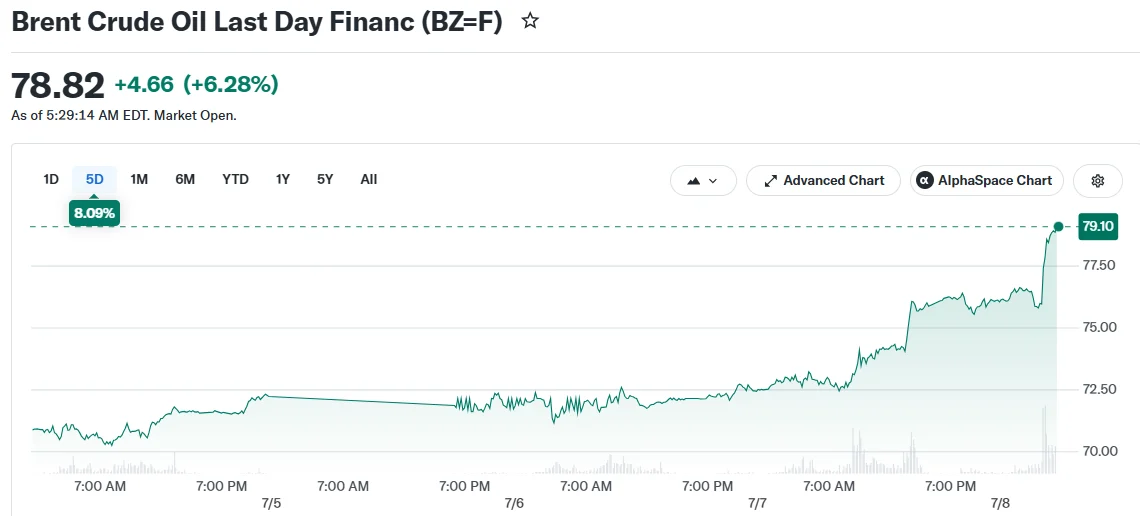
- Brent crude jumped 5.5% to reach $78.24 per barrel; U.S. WTI crude climbed approximately 3%.
- Iranian Revolutionary Guards claimed responsibility for attacks on 85 American military installations in Kuwait and Bahrain, including downing a U.S. drone.
- International equity markets declined, with European indices falling 1.6% and American futures dropping 0.8–1.2%.
- Washington also canceled a sanctions exemption that permitted Iran’s international oil sales, further constraining supply forecasts.
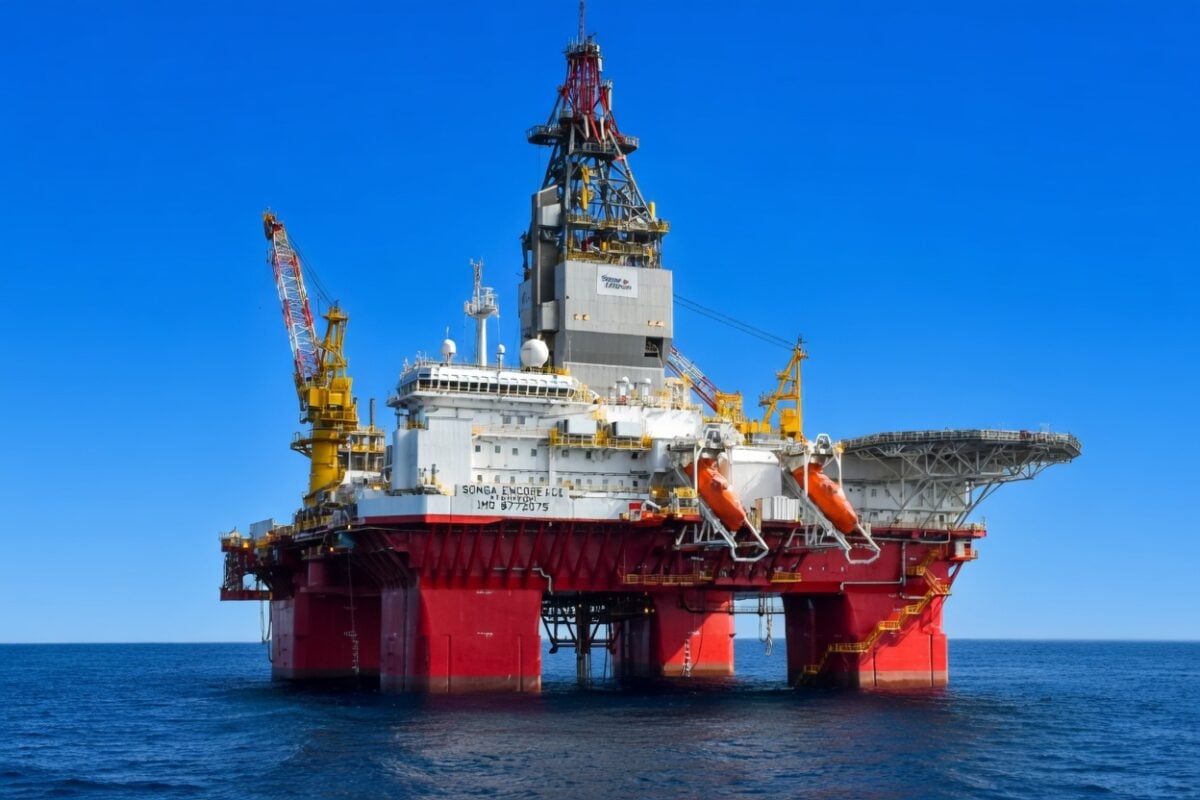
Energy markets experienced a significant rally on Wednesday following President Donald Trump’s announcement that the understanding previously reached with Iran to resolve Gulf tensions had been terminated.
During his address at the NATO gathering in Turkey, Trump criticized Tehran for alleged duplicity. “It’s finished as far as I’m concerned,” he declared, characterizing negotiations with Iran as “simply a waste of time.”
These remarks sparked volatility across financial markets already experiencing heightened anxiety following recent military confrontations between American and Iranian armed forces.
Brent crude contracts surged 5.5% to $78.24 per barrel. U.S. West Texas Intermediate advanced roughly 3% to $72.49 per barrel. This represents Brent’s most substantial single-session increase since the end of May.
Middle East Military Confrontation Intensifies
Iran’s Islamic Revolutionary Guards Corps announced it had targeted 85 American military installations across Kuwait and Bahrain, while also destroying an American MQ-9 reconnaissance drone.
The Department of Defense characterized its military operations as retaliation for Iranian aggression against commercial shipping in the Strait of Hormuz. U.S. Central Command confirmed striking over 80 locations within Iran and approximately 60 Iranian patrol boats operating in or near the strategic waterway.

Tehran has not acknowledged involvement in Tuesday’s maritime attacks near Oman’s coastline, which affected a Saudi oil tanker and a Qatari LNG carrier.
Discussions regarding a comprehensive peace settlement have reportedly been suspended for memorial services honoring former Iranian Supreme Leader Ayatollah Ali Khamenei, who perished during a combined U.S.-Israeli military operation against Iran in February.
The Strait of Hormuz facilitates the transit of approximately 20% of global oil and liquefied natural gas. Analysts from OCBC suggested that complete resumption of hostilities seems improbable given domestic political considerations surrounding the November midterm elections, though they emphasized uncertainty remains regarding “comprehensive security of the Strait of Hormuz.”
Washington additionally withdrew a sanctions exemption previously permitting Tehran to export oil on international markets, a policy shift expected to restrict global crude availability in upcoming weeks.
Equity Markets Decline as Bond Yields Climb
The oil surge negatively impacted worldwide financial markets. European equities declined 1.6%, tracking toward the STOXX 600’s steepest single-day loss since March. American equity futures contracted between 0.8% and 1.2%.
The VIX volatility gauge increased nearly 13%, marking its most significant one-day advance in more than a month.
U.S. 10-year Treasury yields climbed to a one-month peak of 4.56%. German and Italian government bond yields similarly reached one-month highs.
Recently published figures revealed U.S. Strategic Petroleum Reserve inventories had fallen to their lowest point since 1983, intensifying market vulnerability to supply interruptions.
Semiconductor and artificial intelligence equities faced additional pressure preceding Trump’s remarks, as market participants reassessed elevated valuations. Samsung declined for a consecutive session notwithstanding a reported 19-fold profit increase. Apprehension is mounting that memory chip consumption could decelerate during the year’s latter half.
The dollar strengthened throughout the trading session, elevating the euro marginally above $1.14. The Federal Reserve’s June policy meeting minutes are scheduled for release later Wednesday.
Get 3 Free Stock Ebooks
Discover top-performing stocks in AI, Crypto, and Technology with expert analysis.
- Top 10 AI Stocks - Leading AI companies
- Top 10 Crypto Stocks - Blockchain leaders
- Top 10 Tech Stocks - Tech giants


