


Key Takeaways
- Senate Majority Leader John Thune initiated cloture proceedings on the CLARITY Act, scheduling a procedural vote for Sept. 15
- Republicans must secure at least seven Democratic votes to meet the 60-vote threshold necessary for cloture
- Unresolved issues include ethics requirements, anti-money laundering provisions, and Senate Agriculture Committee language
- An ethics compromise proposal would mandate President Trump divest from cryptocurrency-related ventures
- Galaxy Research downgraded the bill’s passage probability from 50% to 30% in recent weeks
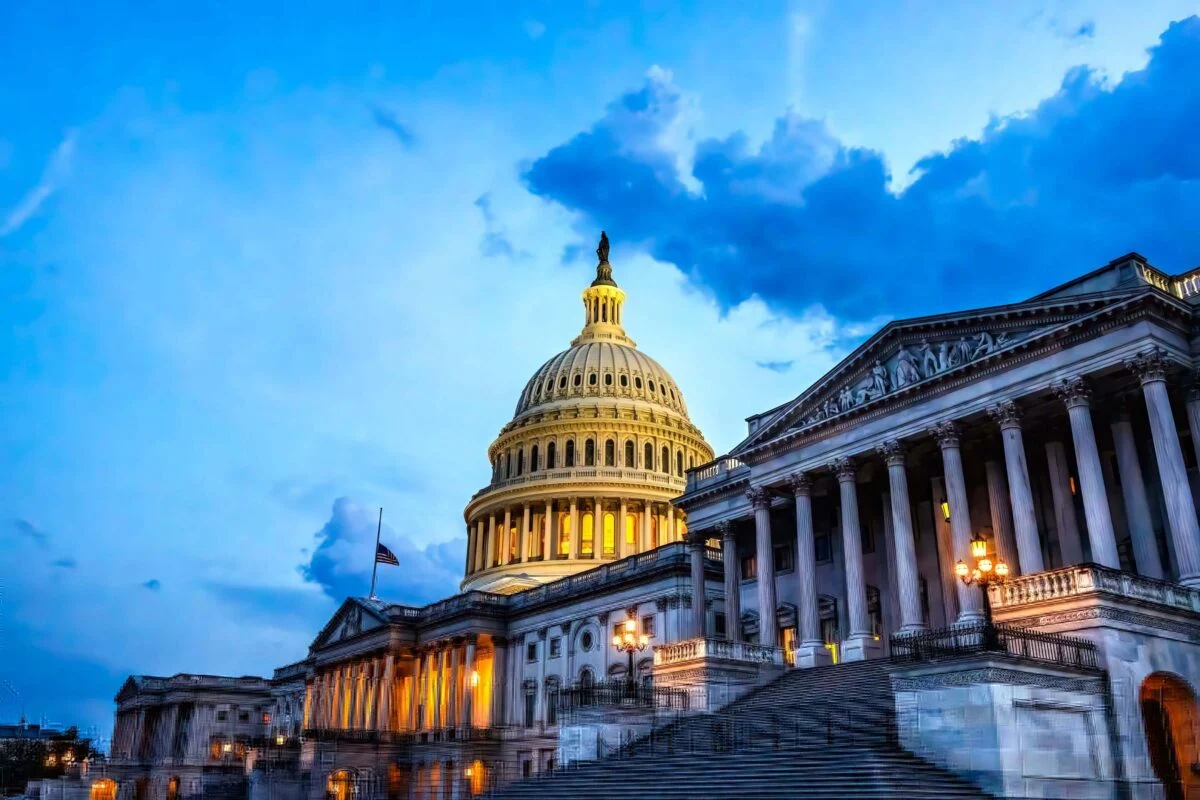
In the predawn hours of Saturday, Senate Majority Leader John Thune initiated cloture proceedings on the Digital Asset Market Clarity Act, scheduling a procedural vote for September 15. The motion was filed at 4:52 a.m. ET, concluding a marathon overnight legislative session that extended beyond the Senate’s originally planned Friday adjournment.
Senate Majority Leader Thune Files Cloture on Clarity Act, Setting Up September Vote
Senate Majority Leader John Thune filed a cloture motion on the Clarity Act, setting up a procedural vote on Sept. 15 after lawmakers return from the August recess. The vote would advance the… pic.twitter.com/dNNRSf9hLg
— Wu Blockchain (@WuBlockchain) August 8, 2026
The CLARITY Act aims to create a comprehensive federal framework for digital asset markets. The legislation would resolve ambiguity around whether cryptocurrencies should be classified as securities or commodities, while delineating regulatory authority between the SEC and the CFTC.
Filing for cloture doesn’t guarantee passage of the legislation. The procedural mechanism simply caps debate time regarding whether the bill should advance to the Senate floor for full consideration.
With Republicans controlling 53 Senate seats, they must persuade at least seven Democratic or independent senators to support cloture and achieve the required 60-vote supermajority.
Speaking to The Block last week, Thune explained that Democrats had demanded no vote occur before the August break. “We’re getting that queued up first thing when we come back,” he stated.
Outstanding Issues Remain Contentious
The cloture motion doesn’t address the substantive disagreements that delayed the bill prior to recess. According to a Senate Democratic aide, three primary obstacles persist: ethics standards, illicit finance regulations, and integration of Senate Agriculture Committee provisions.
Regarding ethics, Senators Ruben Gallego and Thom Tillis submitted a bipartisan compromise framework to the White House last month. The proposal would prohibit government officials and their spouses from creating or promoting digital assets, and would compel President Trump to divest holdings in cryptocurrency businesses. The administration has not endorsed the compromise.

Even Republican unity appears fragile. Senator Josh Hawley announced his opposition to the bill unless it incorporates protections against deposit migration from traditional banks.
The Crypto Council for Innovation characterized the cloture filing as “a critical step forward” while expressing disappointment that a complete Senate vote wasn’t scheduled before recess. The advocacy organization indicated plans to engage lawmakers from both parties throughout August to build support for September passage.
Galaxy Research revised downward its probability assessment for the CLARITY Act becoming law during 2026, from 50% to 30% last month. The research firm pointed to the compressed legislative calendar as a primary factor.
Senators reconvene in Washington on September 14. This creates a narrow timeframe for debate and voting before political focus pivots toward the November midterm elections.
Get 3 Free Stock Ebooks
Discover top-performing stocks in AI, Crypto, and Technology with expert analysis.
- Top 10 AI Stocks - Leading AI companies
- Top 10 Crypto Stocks - Blockchain leaders
- Top 10 Tech Stocks - Tech giants


