


TLDR
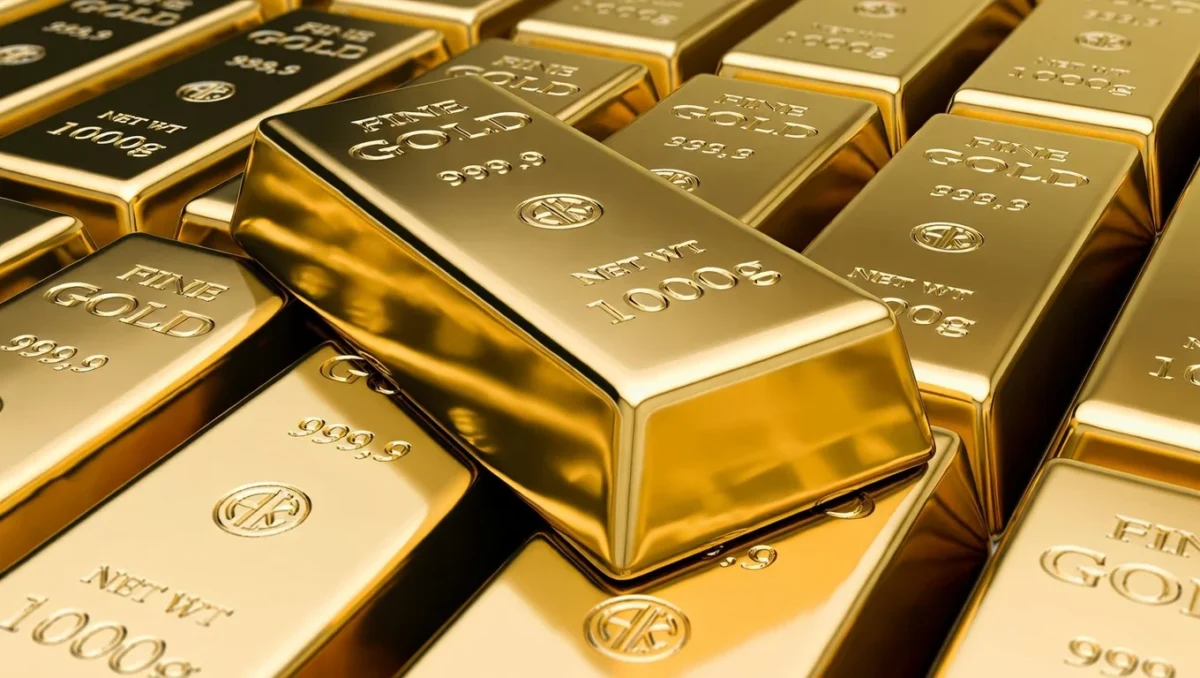
- Spot gold declined 0.6% Friday to $4,101.11 per ounce, heading toward a 1.8% weekly decline
- President Trump ended the Iran ceasefire agreement and authorized additional military operations
- Surging crude oil prices are fueling inflation worries, increasing expectations for a Fed rate hike in 2026
- Elevated interest rates diminish gold’s appeal by raising the opportunity cost of holding the non-interest-bearing asset
- Silver plummeted over 4% for the week; platinum demonstrated resilience with only a 0.3% weekly drop
Gold prices declined on Friday, heading for a weekly loss as heightened U.S.-Iran military confrontations and mounting concerns about interest rate policy weighed on the precious metal.
Spot gold retreated 0.6% to $4,101.11 per ounce. Gold futures decreased 0.8% to $4,108.90. Over the week, spot gold tracked toward approximately a 1.8% decline.
Silver and platinum faced downward pressure as well. Spot silver decreased 0.7% on Friday and tumbled more than 4% across the week. Platinum dipped 0.1% lower on Friday but registered a more modest weekly decline of just 0.3%.
Middle East Crisis Shakes Commodity Markets
The downturn in gold was primarily driven by intensifying confrontation in the Middle East. President Donald Trump announced the termination of the Iran ceasefire and authorized additional military strikes. Iran countered with reciprocal military action.
🚨UPDATE: U.S. LAUNCHES SECOND STRIKE WAVE ON IRAN
The U.S. carried out a second round of strikes against Iran in 24 hours, hitting around 90 targets after Iran attacked ships in the Strait of Hormuz and escalated strikes across the region.
Iran also fired missiles and drones… pic.twitter.com/iLnoBgHp3a
— Coin Bureau (@coinbureau) July 9, 2026
According to an Axios report, regional mediators were attempting to preserve a recent U.S.-Iran memorandum of understanding. Nevertheless, prospects for regional stability remained questionable.
The escalating confrontation propelled oil prices sharply higher. This development heightened concerns about energy-related inflation resurfacing while the Federal Reserve maintains vigilant price monitoring.

Markets increased their probability estimates for a Fed rate hike in 2026 this week, based on CME Fedwatch data.
Interest Rate Concerns Undermine Gold’s Safe-Haven Status
Rising interest rates pose challenges for gold. Since the metal generates no income, increasing rates enable investors to capture higher returns from bonds and similar fixed-income securities. This dynamic reduces gold’s comparative attractiveness.
ANZ analysts observed that gold received limited support from expectations that the Middle East situation would not intensify further. However, they highlighted that worries about persistent inflation and the Fed maintaining elevated rates for an extended period continued applying downward pressure on prices.
Gold has generally failed to perform as a safe haven since the U.S.-Iran tensions emerged. Concerns about interest rates have eclipsed demand for the metal as a protective asset during periods of geopolitical uncertainty.
The dollar stabilized this week following previous week’s declines. A firmer dollar typically pressures gold, which is denominated in U.S. currency.
Platinum demonstrated greater resilience compared to gold and silver this week. Its 0.3% weekly pullback was considerably smaller than the declines experienced by other precious metals.
Market participants will remain focused on Middle East developments and any changes in Federal Reserve messaging that might influence rate expectations in coming weeks.
At the time of writing, spot gold was trading at $4,102.64, down $21.18 on the day.
Get 3 Free Stock Ebooks
Discover top-performing stocks in AI, Crypto, and Technology with expert analysis.
- Top 10 AI Stocks - Leading AI companies
- Top 10 Crypto Stocks - Blockchain leaders
- Top 10 Tech Stocks - Tech giants


