


TLDR
- IAEA reports heightened nuclear proliferation concerns following the cessation of weekly inspections at Iranian facilities after June 2025 US-Israeli military action
- Hundreds of kilograms of highly enriched uranium now remain unverified, creating potential weapons-grade material risks
- Military strikes occurred within a day of IAEA board censure over blocked inspector access to nuclear sites
- Marco Rubio reports unprecedented Iranian openness to nuclear program discussions in ongoing negotiations
- Conflicting reports emerge as Iranian media announces halted communications while Trump administration insists daily dialogue continues
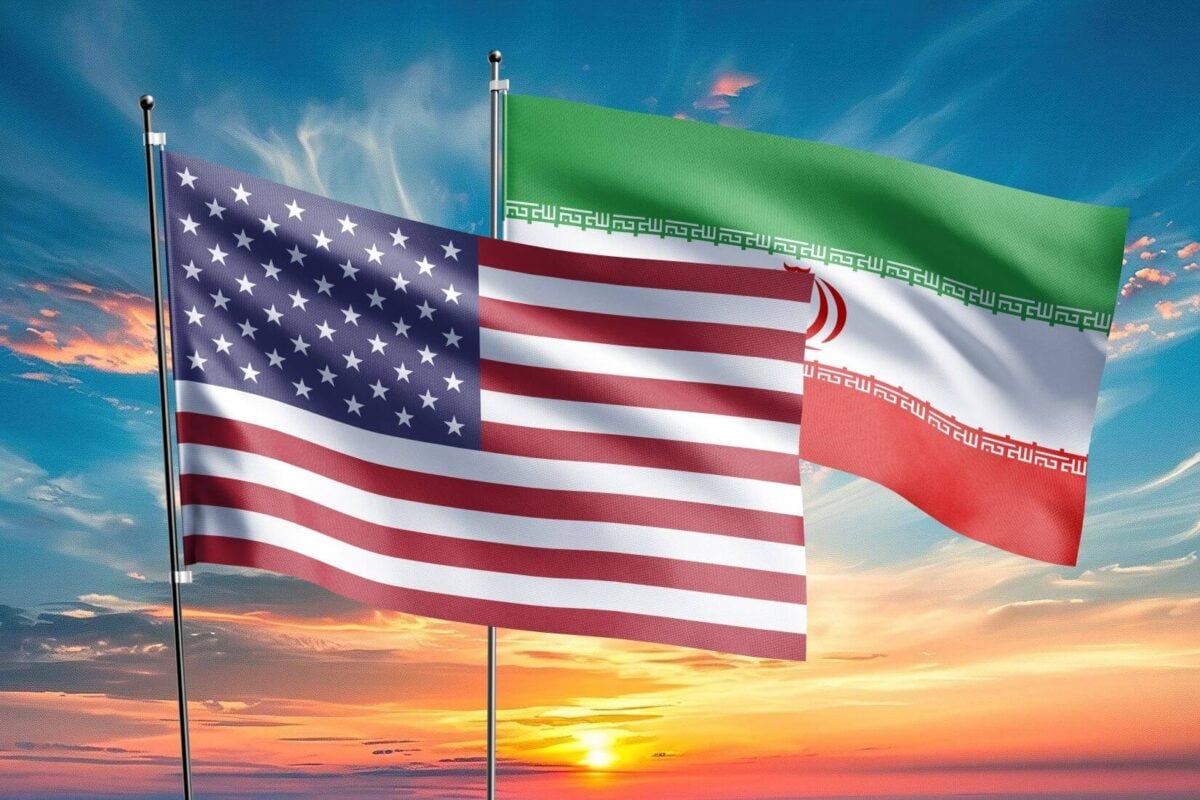
Following coordinated US-Israeli military operations in June 2025, Iran’s nuclear facilities have been operating without International Atomic Energy Agency oversight, while both Washington and Tehran offer contradictory accounts of whether diplomatic channels remain open.
The International Atomic Energy Agency has issued warnings to member nations regarding escalating proliferation risks stemming from Iran’s nuclear program following the military strikes conducted by United States and Israeli forces in June 2025.
Prior to the military intervention, IAEA personnel conducted weekly verification visits to Iranian nuclear installations. These critical inspections have been discontinued.
According to a 119-page confidential IAEA document distributed to member states last month, the agency states it “can’t draw any conclusion” regarding Iran’s nuclear material inventory. The document highlights significant quantities of high-enrichment uranium that cannot be accounted for.
Inspection frequency declined by over 50% after Tehran imposed additional constraints following the 12-day military conflict. Agency monitors have been prevented from returning to facilities that sustained damage at Fordow, Isfahan, and Natanz locations.
At the time of the last verified inspection, these facilities housed 440.9 kilograms and 8,599.6 kilograms of lower-grade enriched uranium respectively.

What the IAEA Is Warning
The agency’s confidential assessment explicitly states that extended periods without verification oversight substantially increase the probability of material diversion toward weapons development.
IAEA Director General Rafael Mariano Grossi stated Tuesday that his organization has been excluded from recent US-Iran diplomatic exchanges. “We are not a party to this negotiation,” he informed Al Jazeera. “Something that is not verifiable will lead to a bad agreement.”
The IAEA governing board has scheduled a meeting for June 8 in Vienna. Last June’s strikes followed immediately after the board issued a formal censure against Iran for obstructing inspector access.
The White House has maintained that Iran’s nuclear capabilities were eliminated through the strikes. However, ongoing American diplomatic efforts to secure access to existing uranium reserves indicate continued concern.
President Trump has proposed either removing the material from Iranian territory or neutralizing it domestically under IAEA monitoring protocols.
Talks Continue — Or Do They?
Whether active negotiations are underway has itself emerged as a disputed matter between the two governments.
Fars news agency, an Iranian outlet, reported Tuesday that message exchanges between Iran and the United States ceased multiple days prior. Tasnim, another state-connected media organization, indicated Iranian representatives would terminate intermediary communications and that Tehran would implement complete closure of the Strait of Hormuz.
Trump contradicted these reports via Truth Social. “The conversations between us have been going on continuously, including four days ago, three days ago, two days ago, one day ago, and today,” he wrote.
Secretary of State Marco Rubio, appearing before the Senate Foreign Relations Committee, confirmed negotiations remain active. He informed senators that Iran has demonstrated unprecedented flexibility regarding nuclear program discussions.
“For the first time, certainly in my memory, they have agreed to negotiate aspects of their nuclear program that just a month ago they were refusing to even mention,” Rubio said.
He cautioned there remains no assurance negotiations will produce terms acceptable to Senate approval or broader American public support.
Rubio specified that Iranian reopening of the Strait of Hormuz represents a prerequisite for any de-escalation framework. He outlined requirements including declaration of open passage, cessation of toll collection, assistance with mine clearance operations, and commitments against targeting commercial shipping.
Congressional leaders have expressed mounting concerns regarding the conflict. Senate Democrats have criticized the administration for insufficient consultation and circumventing legislative oversight mechanisms.
On Monday, Trump told CNBC he “couldn’t care less” whether Iran ended talks, saying the negotiations had “started to get very boring.”
Get 3 Free Stock Ebooks
Discover top-performing stocks in AI, Crypto, and Technology with expert analysis.
- Top 10 AI Stocks - Leading AI companies
- Top 10 Crypto Stocks - Blockchain leaders
- Top 10 Tech Stocks - Tech giants


