


Key Takeaways
- Google reportedly ordered over 3 million Tensor Processing Units from Intel’s foundry for delivery in 2028
- Intel (INTC) shares surged more than 12% on Monday morning after The Information broke the story
- Nvidia is evaluating Intel’s manufacturing capabilities for a multi-chip graphics processor design
- Nvidia is conducting preliminary tests using Intel’s cutting-edge 18A fabrication process
- These developments signal potential momentum shift in Intel’s struggling foundry operations
After several challenging years, Intel received a significant boost on Monday.
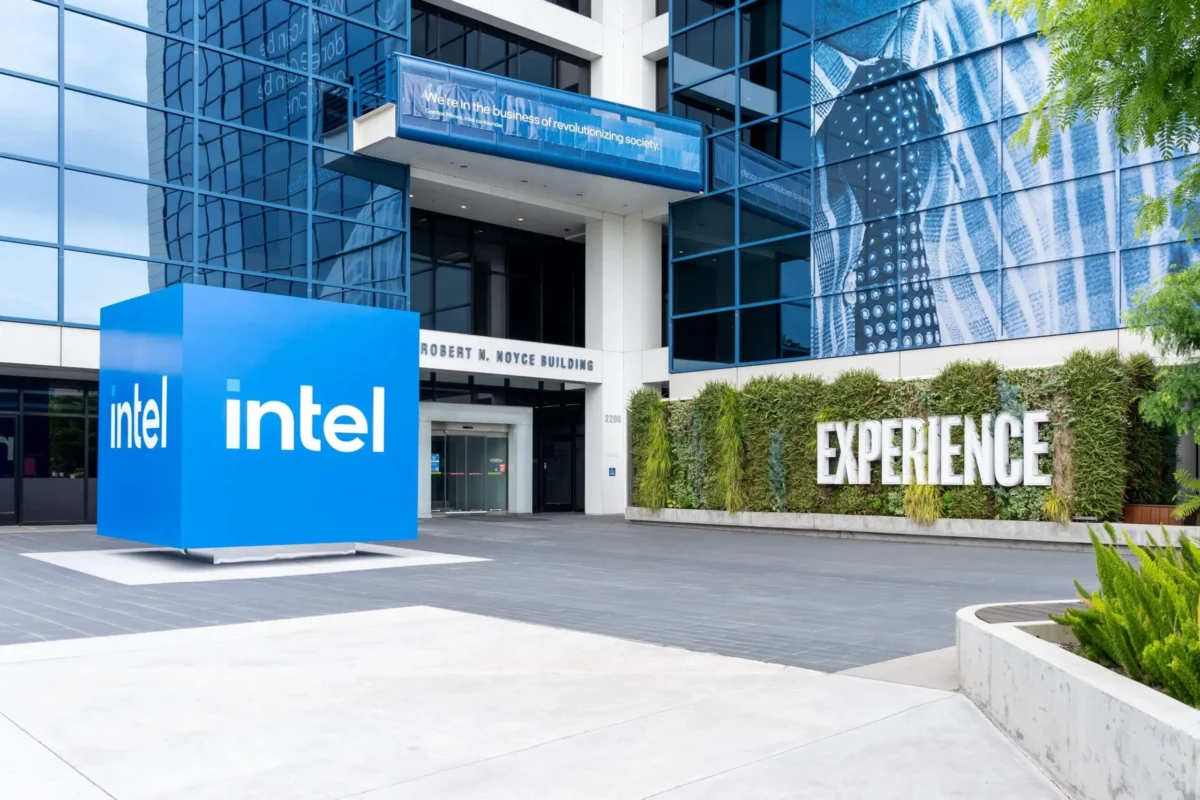
According to The Information’s report, Google has contracted Intel to produce over 3 million Tensor Processing Units scheduled for 2028 delivery. The announcement propelled Intel shares upward by more than 12% during morning trading sessions.
This manufacturing agreement comes after extensive evaluation of Intel’s sophisticated packaging capabilities, according to sources familiar with the matter — specifically four individuals with direct insight into the negotiations.
Tensor Processing Units represent Google’s proprietary AI accelerators, designed for both training large-scale AI models and executing inference workloads. Morgan Stanley projects Google’s TPU production will exceed 6 million units combined across 2027 and 2028, positioning Intel’s portion as a substantial business win.
Nvidia Explores Intel Manufacturing Capabilities
While Nvidia hasn’t committed to a formal contract, the chip giant is assessing whether Intel’s foundry technology can handle production of an integrated processor featuring four graphics processing units in a single package. This evaluation connects to Nvidia’s upcoming Feynman GPU platform, scheduled for 2028 launch.
Additionally, Nvidia is conducting preliminary validation through multiproject wafer runs on Intel’s 18A process node — representing Intel’s most sophisticated manufacturing technology currently in development.

The broader industry context is crucial. TSMC faces unprecedented demand pressure from the artificial intelligence chip explosion. Both cutting-edge fabrication capacity and advanced packaging resources are stretched thin. This bottleneck is driving major technology companies to diversify their manufacturing partnerships.
Signs of Foundry Business Recovery
Intel’s foundry division has struggled for years. Strategic missteps allowed TSMC to establish commanding leadership in semiconductor manufacturing. However, recent developments suggest Intel may be regaining competitive traction.
Tesla CEO Elon Musk announced in April that Tesla intends to utilize Intel’s 14A manufacturing node — the next-generation process following 18A — for producing custom silicon for its Terafab initiative, a specialized AI chip manufacturing facility planned for Austin, Texas.
Representatives from Google, Nvidia, and Intel declined to provide comments. Reuters could not independently confirm the details in the original report.
As of publication, INTC shares climbed nearly 9%, NVDA advanced approximately 2%, GOOGL declined roughly 1%, while TSM fell more than 6%.
Get 3 Free Stock Ebooks
Discover top-performing stocks in AI, Crypto, and Technology with expert analysis.
- Top 10 AI Stocks - Leading AI companies
- Top 10 Crypto Stocks - Blockchain leaders
- Top 10 Tech Stocks - Tech giants


