


Key Takeaways
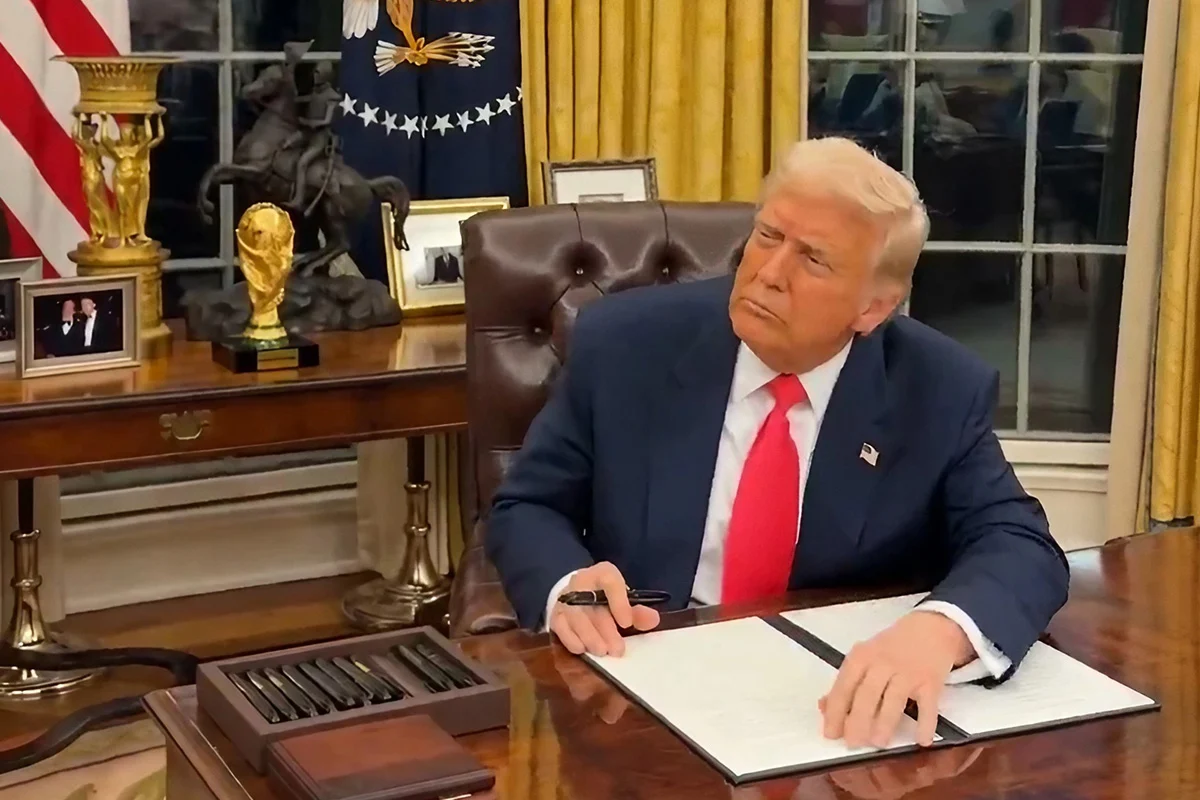
- Israeli intelligence agencies briefed their U.S. counterparts on a detailed Iranian assassination scheme targeting President Trump
- This intelligence was notably “specific” compared to the usual background noise of general threats
- Tehran has repeatedly promised retaliation for the 2020 U.S. drone strike that killed General Qassem Soleimani under Trump’s orders
- A tenuous ceasefire between Washington and Tehran reached last month is showing cracks as new military actions threaten to reignite hostilities
- President Trump publicly confirmed the threats, stating he appears on “every single one of their lists”
Israeli intelligence officials briefed their American counterparts this week regarding a fresh Iranian scheme to assassinate President Donald Trump. Multiple sources with knowledge of the matter characterized the warning as unusually “specific,” according to reporting by CNN and the Wall Street Journal.
U.S. intelligence agencies had already been monitoring what officials characterized as continuous background chatter regarding potential assassination attempts. However, the Israeli briefing distinguished itself by identifying a concrete operational plan rather than vague threatening rhetoric.
Tehran has publicly pledged revenge against Trump for years following the assassination of General Qassem Soleimani. The general served as a senior commander within Iran’s Islamic Revolutionary Guard Corps before Trump authorized his targeted killing in a January 2020 drone strike during his first presidential administration.
President Confirms Ongoing Threats
Speaking with journalists aboard Air Force One on Wednesday, [[LINK_START_0]]Trump[[LINK_END_0]] publicly acknowledged the assassination threats as he returned from a NATO summit held in Ankara, Turkey.
“They want to take out the U.S. leader — me,” Trump stated. “I’m on every single one of their lists.”
While declining to provide detailed information, the president indicated he had reviewed intelligence briefings that morning concerning threats to his life.

During the NATO gathering, Trump made an unexpected choice to return home aboard his older Air Force One aircraft, while his newer jet—a gift from Qatar—flew ahead to Britain. The New York Times reported this aircraft swap occurred at the Secret Service’s recommendation as an enhanced security measure.
The security adjustment coincided with new U.S. military strikes against Iranian targets, particularly significant given Iran’s border proximity to Turkey, the summit’s host nation.
Fragile Ceasefire Showing Cracks
Washington and Tehran negotiated a delicate ceasefire agreement last month. However, renewed military operations by both nations have sparked concerns that full-scale warfare could resume imminently.
Trump has expressed interest in finding an off-ramp from the conflict, expressing worry that prolonged military engagement could destabilize the worldwide economy.
Israeli Prime Minister Benjamin Netanyahu has advocated for a contrasting strategy. He has recommended maintaining military pressure against Iran to accomplish additional strategic objectives.
The two leaders held discussions on Thursday. According to Netanyahu’s office, they committed to continuing “coordination between the countries.” Trump also briefed Netanyahu regarding recent American military operations in the Gulf region.
Recent weeks have revealed growing tension in their relationship. The leaders have engaged in multiple strained telephone conversations as their strategic positions on confronting Iran have increasingly diverged.
At funeral services for deceased Iranian Supreme Leader Ali Khamenei, attendees displayed a banner proclaiming “We Will Kill Trump.” Assembled crowds chanted demands for the president’s assassination.
The Israeli Embassy in Washington refused to provide comment regarding the intelligence cooperation. Iran’s United Nations Mission similarly did not respond to requests for comment.
Get 3 Free Stock Ebooks
Discover top-performing stocks in AI, Crypto, and Technology with expert analysis.
- Top 10 AI Stocks - Leading AI companies
- Top 10 Crypto Stocks - Blockchain leaders
- Top 10 Tech Stocks - Tech giants


