


TLDR
- The automaker plans to eliminate 4,000 positions worldwide across a two-year period, with UK headquarters bearing the brunt
- Cost reduction goals include £1.7 billion in savings and reducing the break-even threshold to 300,000 units
- Market challenges from Chinese manufacturers, American trade tariffs, and a cyberattack have significantly impacted operations
- Voluntary separation packages are being offered initially, with applications accepted through October 4
- Five new vehicle launches are scheduled within the next year alongside a £15-18 billion investment plan spanning five years
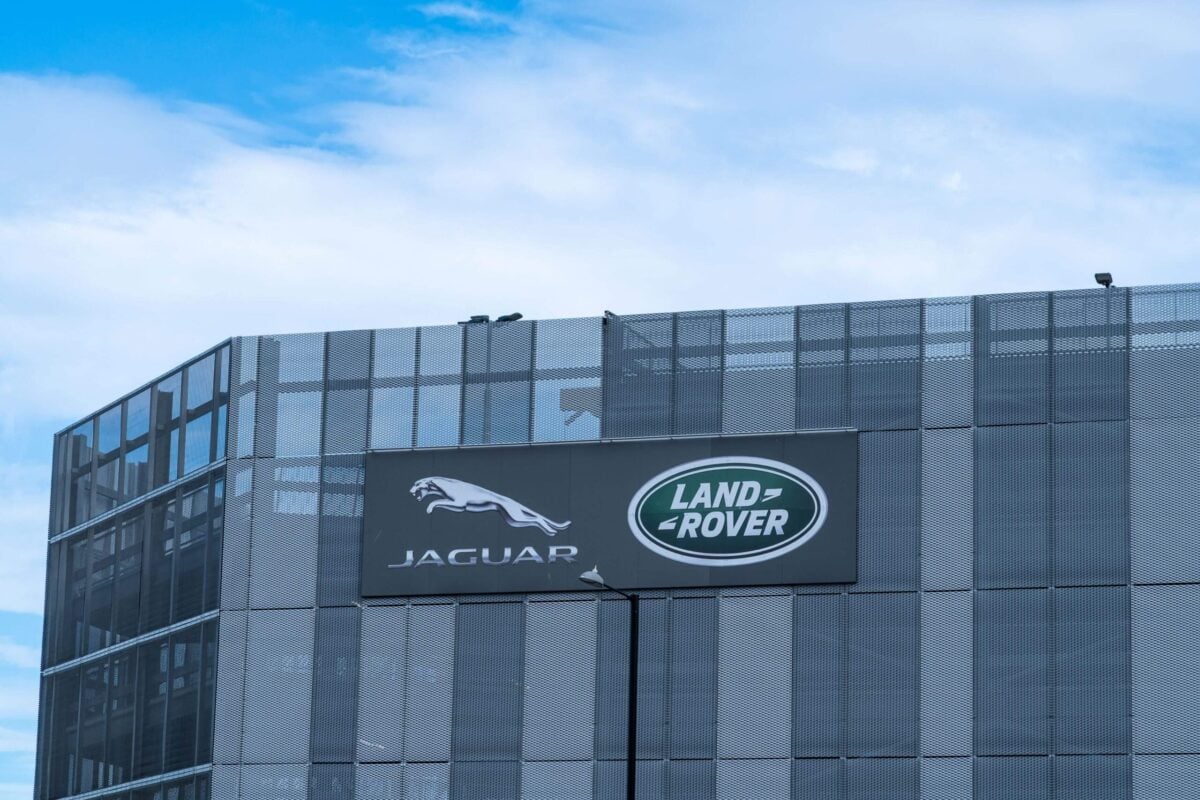
Jaguar Land Rover has announced plans to eliminate approximately 4,000 positions across the next two years as part of a comprehensive cost-reduction strategy aimed at maintaining market competitiveness.
The workforce reduction will primarily impact corporate headquarters positions, with Britain serving as home to the bulk of JLR’s approximately 43,000-strong global workforce.
The British manufacturer has set ambitious targets to achieve £1.7 billion in cost savings while simultaneously reducing its operational break-even threshold to approximately 300,000 vehicle units.
CEO PB Balaji emphasized the organization’s dedication to handling the transition “with care, fairness and respect” for all affected employees. He identified “technological change” and “intense competition” as primary factors driving the restructuring decision.
Employees will be notified via email shortly. The company’s preferred approach involves voluntary separation packages, though it has reserved the right to implement mandatory redundancies with reduced benefits if voluntary targets aren’t met. The deadline for voluntary applications is October 4.
Competition from China and American Trade Barriers Create Headwinds
The automaker has experienced declining market share against Chinese automotive manufacturers in a market it previously viewed as a growth opportunity. Without manufacturing facilities in America, JLR faces significant disadvantages under President Donald Trump’s tariff policies, while competitors with domestic US production have largely avoided these penalties.

Ian Robertson, a former executive at BMW, told the BBC that JLR should have established American manufacturing operations sooner, following the strategies of competitors. He referenced BMW’s South Carolina operations and Mercedes’ Alabama facility as successful models.
Robertson further observed that JLR entered the electric vehicle market relatively late, with its inaugural all-electric model only now entering production phases.
A devastating cyberattack last year compounded these difficulties, forcing production shutdowns that lasted over a month.
Zero Emission Requirements Under Scrutiny
Britain’s Zero Emission Vehicle regulation, mandating complete electrification of new car and van sales by 2035, has drawn criticism from industry voices who argue it places excessive burdens on domestic automakers.
The regulation exempts vehicles destined for international markets, which constitute the majority of JLR’s sales revenue.
Unite union leader Sharon Graham characterized the mandate as “unsustainable” and attributed current challenges to decades of insufficient government investment in the automotive sector.
Shadow transport secretary Richard Holden advocated for eliminating the mandate entirely, arguing it is “crippling the British automotive industry.”
Business Secretary Jonathan Reynolds confirmed plans to meet with JLR leadership this week and coordinate with labor unions, while explicitly rejecting the possibility of government financial assistance.
JLR has outlined investment plans totaling £15 billion to £18 billion across the next five years, focusing on electric vehicle development, digital innovation, and manufacturing capabilities. The company also confirmed plans to introduce five new products within the coming year.
Tata Motors, JLR’s Indian parent corporation, experienced modest stock movement following the announcement, with shares climbing 0.39%.
Get 3 Free Stock Ebooks
Discover top-performing stocks in AI, Crypto, and Technology with expert analysis.
- Top 10 AI Stocks - Leading AI companies
- Top 10 Crypto Stocks - Blockchain leaders
- Top 10 Tech Stocks - Tech giants


