


Key Takeaways
- Circuit breakers activated as KOSPI plummeted 4.9%, marking the sixth trading halt in 2025
- Samsung projected 19-fold operating profit increase for Q2, yet shares tumbled nearly 7%
- Market experts suggest AI-related earnings projections may be unsustainable at current levels
- Individual investors injected 3.2 trillion won into the market during the downturn
- SK Hynix unveiled plans for a $28 billion US listing, attracting significant early attention
South Korea’s benchmark equity market experienced significant turbulence on Tuesday. The KOSPI index concluded trading down 4.9% at 7,656.31 after dipping more than 8% at its intraday low.
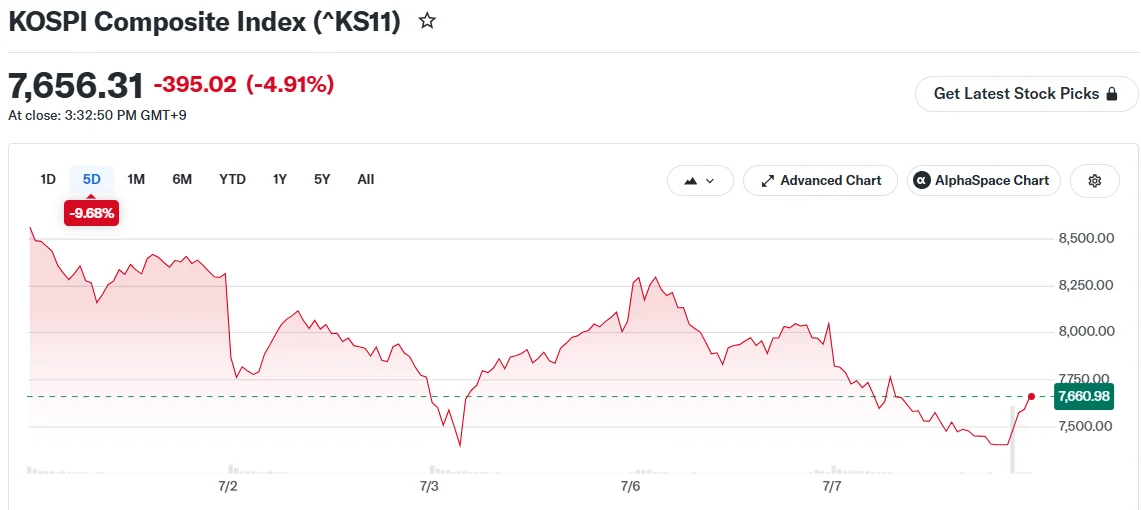
Trading was temporarily suspended after automatic circuit breakers were activated. This marked the sixth such interruption in 2025 amid ongoing turbulence in semiconductor equities.
Record Samsung Forecast Fails to Impress Investors
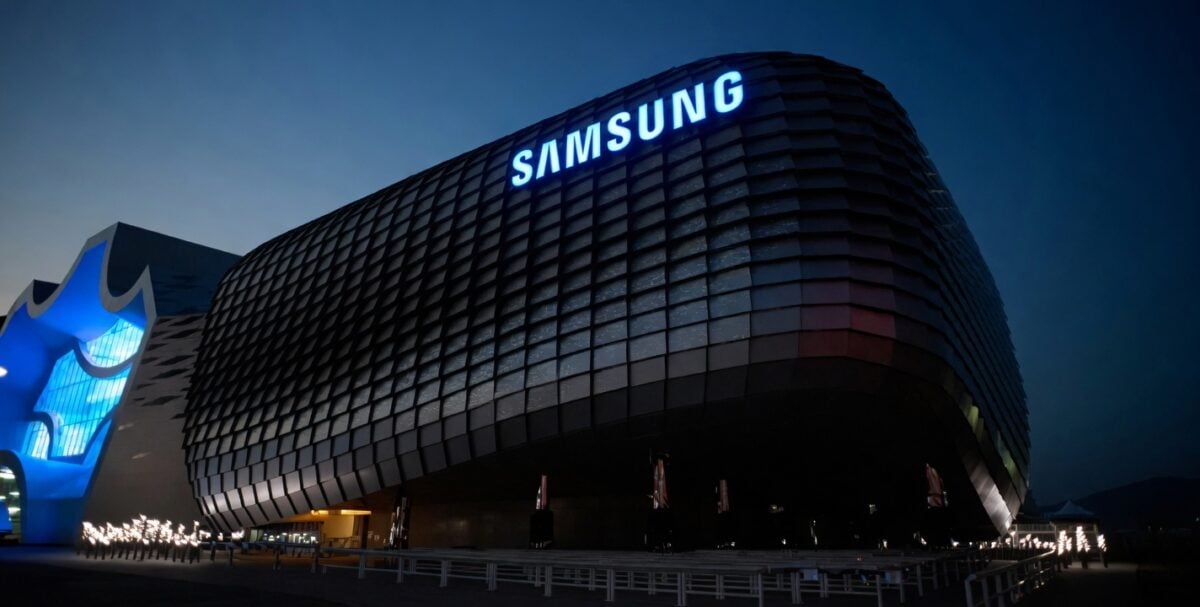
Samsung Electronics found itself at the epicenter of Tuesday’s market decline. The tech giant projected second-quarter operating profits of 89.4 trillion won (approximately $58 billion), representing a staggering 19-fold year-over-year improvement and marking its third consecutive record-breaking quarter.
Yet investors responded by sending Samsung shares down nearly 7%. During the session’s most volatile moments, the stock declined over 10%.
Market watchers attribute the negative reaction to already elevated expectations. “The market has priced in such optimistic scenarios that further upward revisions seem unrealistic,” explained Seo Sang-young, an analyst at Mirae Asset Securities.
Rival chipmaker SK Hynix declined 6.1% on the same day. Meanwhile, Japanese semiconductor manufacturer Kioxia saw losses exceeding 10%.
The KOSPI had surged more than 100% year-to-date before reaching its peak in late June. Since that high-water mark, the index has retreated approximately 20%.
Shifting Dynamics in AI Investment Sentiment
Tuesday’s market behavior suggests a fundamental transformation in how investors evaluate artificial intelligence-related equities. In previous months, semiconductor companies consistently gained ground simply by exceeding earnings forecasts. That pattern now appears to be breaking down.

“Exceeding earnings targets is no longer sufficient,” observed Charu Chanana from Saxo Markets. She noted that investors are now demanding strong results alongside robust forward guidance and evidence of sustainable competitive advantages.
Albert Yong from Petra Capital Management suggested the dramatic selloff reflects investor concerns about the long-term trajectory of the memory chip cycle rather than immediate quarterly performance.
Institutional foreign investors offloaded 2.9 trillion won in Korean equities during Tuesday’s session. Domestic retail traders countered by purchasing 3.2 trillion won in shares, partially cushioning the market’s decline.
Major AI Investment Activity Continues
Despite the market turmoil, significant artificial intelligence-related transactions continued to materialize. SK Hynix announced plans for a US equity offering targeting approximately $28 billion in proceeds, with preliminary reports indicating strong institutional interest.
Broadcom secured an extended chip supply agreement with Apple running through 2031, alleviating market concerns that Apple might increasingly manufacture those components internally.
US markets posted gains in overnight trading. The Dow Jones Industrial Average advanced 0.29%, while the S&P 500 increased 0.72% and the Nasdaq Composite climbed 1.12%, buoyed by optimism surrounding AI-driven corporate earnings.
Additional Market Developments
LG Energy Solution shares fell 6.4% following the company’s forecast of a 77% operating profit decline attributed to softening electric vehicle demand.
Hanwha Ocean experienced a dramatic 22.7% drop after Canada selected German submarine manufacturers over the South Korean bidder.
Crude oil prices advanced following reports of a tanker incident near the strategically important Strait of Hormuz. West Texas Intermediate crude reached $68.92 per barrel while Brent crude climbed to $72.34.
Market participants are also monitoring the upcoming release of Federal Reserve meeting minutes, the first published during new Chair Kevin Warsh’s tenure.
Get 3 Free Stock Ebooks
Discover top-performing stocks in AI, Crypto, and Technology with expert analysis.
- Top 10 AI Stocks - Leading AI companies
- Top 10 Crypto Stocks - Blockchain leaders
- Top 10 Tech Stocks - Tech giants


