


Quick Summary
- Both NYSE and Nasdaq close Monday, September 7 for the Labor Day holiday and resume normal trading Tuesday at 9:30 a.m. ET
- Bond markets and OTC trading platforms also observe the federal holiday closure
- Canada’s Toronto Stock Exchange joins the closure, while exchanges in London, Shanghai, and Hong Kong maintain regular operations
- Cryptocurrency markets operate continuously without interruption, maintaining their 24/7 trading schedule
- August saw the S&P 500 climb 2.6%, though historical data shows September typically brings a 2.7% average decline over recent years
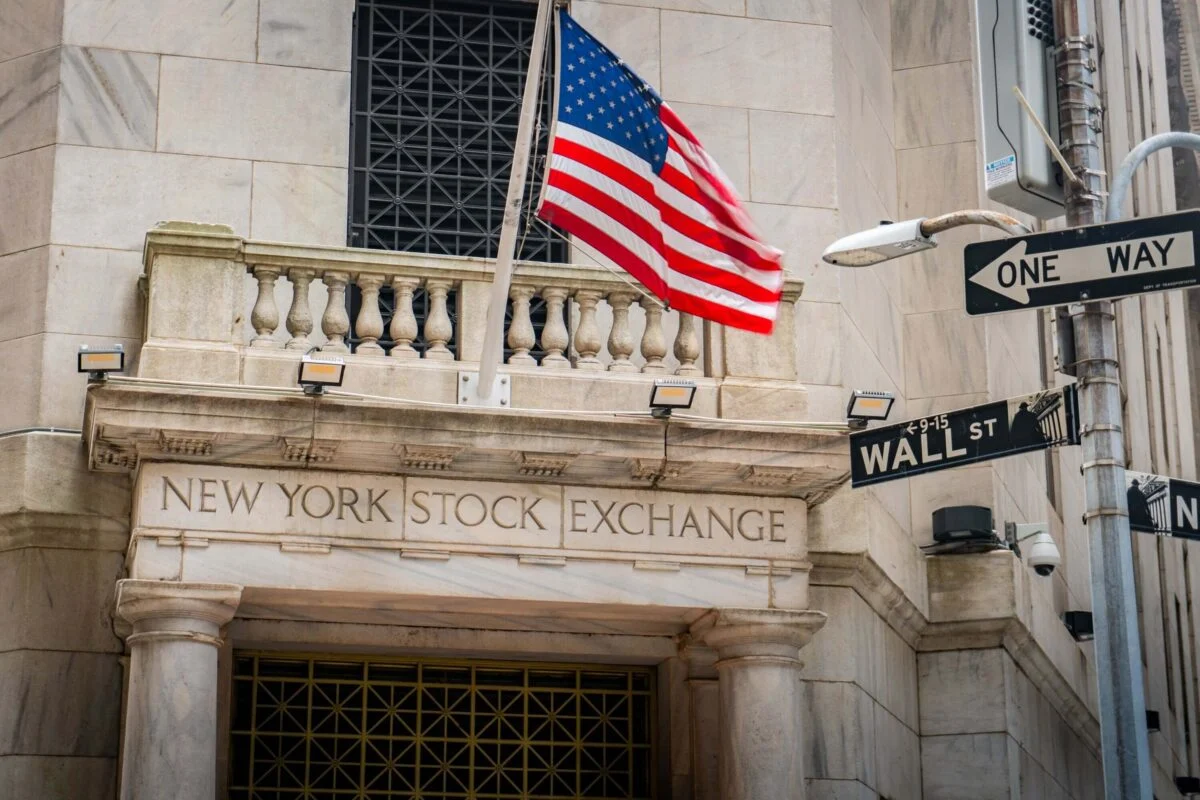
America’s primary stock exchanges—the New York Stock Exchange and Nasdaq—will not conduct trading on Monday, September 7, in observance of Labor Day. Normal trading operations will resume Tuesday, September 8, at the standard opening time of 9:30 a.m. Eastern Time.
The holiday extends beyond equity markets. Fixed-income trading venues and over-the-counter markets will similarly remain closed for the federal observance. Standard operating hours return across all platforms on Tuesday.
Global Exchange Status During U.S. Holiday
The trading halt isn’t universal across the globe. Canada’s Toronto Stock Exchange observes its own Labour Day closure. However, several major international venues continue operations, including exchanges in London, Shanghai, and Hong Kong, which all maintain their normal trading schedules.
The banking sector largely follows suit with the market closure. Major financial institutions such as Bank of America, Capital One, JPMorgan Chase, and Wells Fargo will have branches closed, though customers retain access to ATM networks and digital banking platforms.
Package delivery services also adjust for the holiday. Both UPS and FedEx have paused standard delivery operations, although both companies continue offering specialized express services for time-sensitive shipments.
Cryptocurrency Trading Continues Uninterrupted
Digital assets operate under a fundamentally different structure than traditional securities. Cryptocurrency markets function through decentralized networks rather than centralized exchanges, eliminating any holiday-based closures. Trading remains accessible around the clock, including throughout the Labor Day holiday.

Market performance heading into September shows mixed signals. The S&P 500 posted strong August results with a 2.6% increase, significantly outperforming both its five-year August average of 0.2% and its ten-year average gain of 0.9%.
However, historical patterns suggest caution ahead. September has proven challenging for the benchmark index, with an average decline of 2.7% over the previous five years. The ten-year average shows a more modest but still negative 1.3% drop.
Market pressures have intensified recently. Climbing oil prices, anticipated interest rate adjustments, and ongoing deficit concerns have pushed bond yields upward throughout the summer months. These dynamics have renewed familiar worries about September’s traditionally weak performance.
The year started strong, with artificial intelligence enthusiasm fueling significant S&P 500 gains. However, those advances have diminished as elevated borrowing costs weigh on valuations.
Recent trading sessions have challenged market participants. The Labor Day closure provides a brief intermission before activity resumes Tuesday morning.
The 2026 market calendar includes ten scheduled closures for the NYSE and Nasdaq, featuring two shortened trading days on the Friday following Thanksgiving and on Christmas Eve.
The Labor Day federal holiday traces its origins to 1894, when it was established through legislation signed by President Grover Cleveland.
Get 3 Free Stock Ebooks
Discover top-performing stocks in AI, Crypto, and Technology with expert analysis.
- Top 10 AI Stocks - Leading AI companies
- Top 10 Crypto Stocks - Blockchain leaders
- Top 10 Tech Stocks - Tech giants


