



Key Takeaways
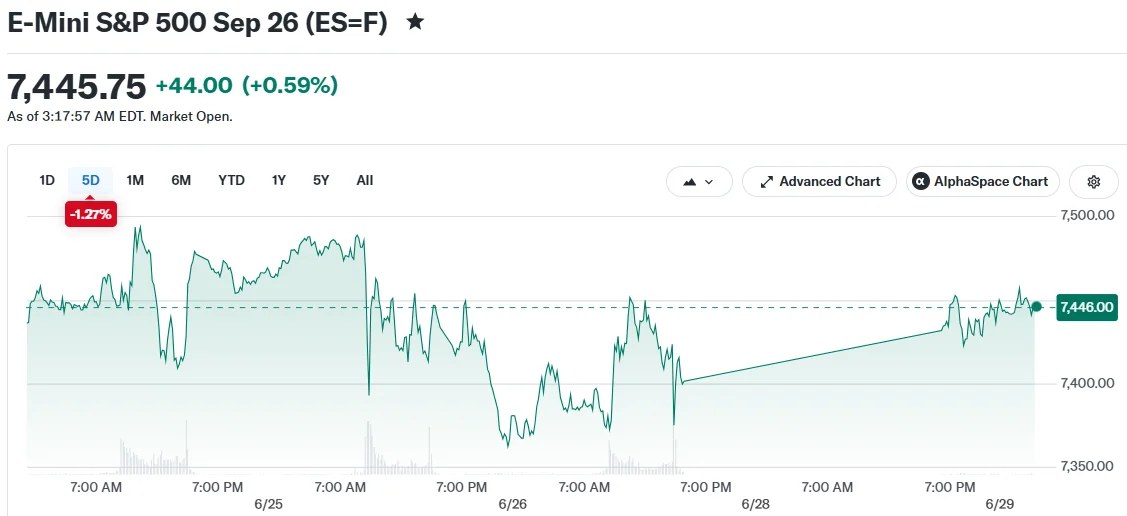
- The S&P 500 has gained over 7% year-to-date in 2026, though June brought heightened volatility
- Thursday’s June employment data could intensify Federal Reserve rate hike speculation
- The Federal Reserve adopted a more aggressive stance at its recent policy meeting, prioritizing inflation containment
- Chip stocks rallied 85% from their March bottom before experiencing a sharp correction this week
- Consumer prices climbed above 4% for the first time in three years, driven primarily by energy costs
Investors enter the coming week navigating between Thursday’s critical employment report and persistent turbulence in the technology sector. Mounting concerns over potential interest rate increases combined with erratic semiconductor performance have created an anxious trading environment as 2026’s first half concludes.
Despite a year-to-date advance exceeding 7% for the S&P 500, June has proven challenging, with equities surrendering a portion of previous gains.
Employment Data Takes Center Stage
Thursday brings the June nonfarm payrolls release. Consensus forecasts from economists surveyed by Reuters anticipate approximately 110,000 job additions for the month. May’s employment report showed 172,000 positions created, marking the third consecutive month of healthy labor market expansion.
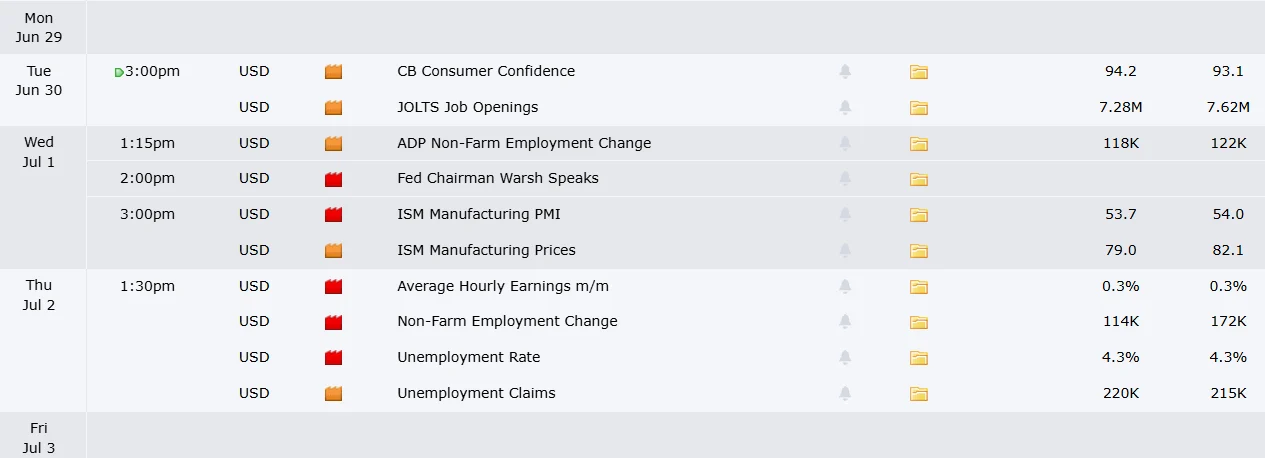
Robust employment figures could paradoxically damage equity markets. Market participants fear strong jobs data would encourage the Federal Reserve to pursue tightening measures instead of the easing many had anticipated.
“If we do get a really good jobs number, my guess is the market’s not going to treat that as good news,” said Doug Huber of Wealth Enhancement. He said it would likely raise the odds of a rate hike.
Fed funds futures markets currently price in greater than 50% probability of a rate increase by September. This represents a dramatic shift from early 2026 expectations that pointed toward monetary easing before year-end.

At its most recent policy meeting, the Federal Reserve emphasized inflation suppression as its top objective. Price pressures have surged past the 4% threshold for the first time in three years, fueled significantly by elevated energy prices stemming from Middle Eastern geopolitical tensions.
Elevated interest rates increase capital costs for both businesses and households. They additionally decelerate economic expansion and can compress equity valuations.
Chip Sector Faces Correction
Technology equities have dominated market narratives throughout recent months. The Philadelphia Semiconductor Index surged 85% from the late-March market trough. However, the sector retreated this week as market participants questioned the sustainability of the advance.
Micron Technology delivered better-than-expected quarterly results Wednesday, providing temporary sector support. Nevertheless, the Nasdaq composite declined more than 4% over the week.
“The live question is, are higher interest rates going to threaten the more cyclical and volatile component of market leadership at play?” said Julia Hermann of New York Life Investment Management.
Oil prices have retreated, falling to approximately $70 per barrel from $100 monthly earlier following a Middle Eastern ceasefire agreement. Sustained energy price moderation could alleviate inflationary pressures.
Nike’s quarterly earnings announcement is scheduled for next week. Broader second-quarter reporting season intensifies in mid-July.
The Federal Reserve confronts a challenging balancing act. Employment data surprising in either direction could rapidly reshape market expectations as the year’s second half approaches.
Get 3 Free Stock Ebooks
Discover top-performing stocks in AI, Crypto, and Technology with expert analysis.
- Top 10 AI Stocks - Leading AI companies
- Top 10 Crypto Stocks - Blockchain leaders
- Top 10 Tech Stocks - Tech giants


