


TLDR
- Burry draws parallels between current market conditions and the closing stages of the 1999-2000 tech bubble
- He observes that market participants are dismissing economic indicators to chase AI-related stocks exclusively
- Oil prices approaching $100, 30-year Treasury yields exceeding 5%, and AI infrastructure debt are converging as potential risk factors
- Private equity and credit sectors face potential headwinds from sustained elevated borrowing costs
- Burry acknowledges previous inaccurate predictions while highlighting successful calls during 2000, 2007, and 2021
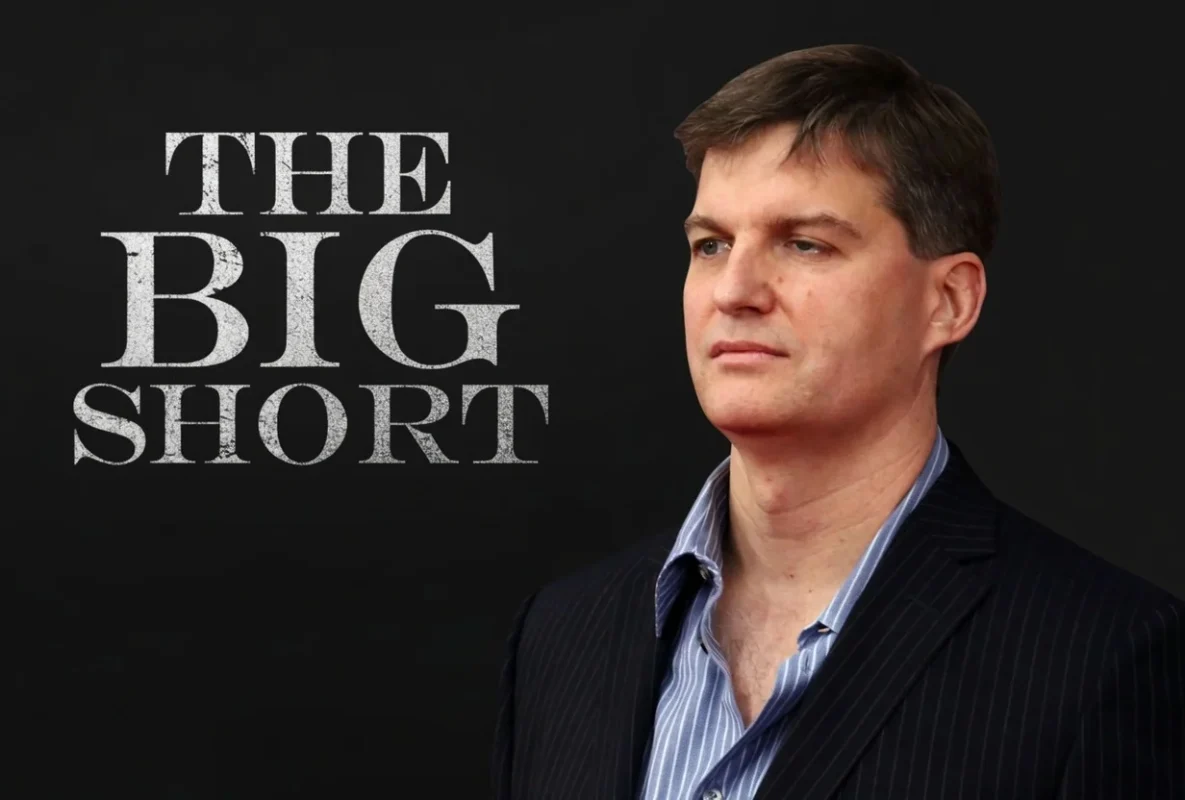
Michael Burry, renowned for forecasting the 2008 subprime mortgage crisis, believes today’s equity markets mirror the late-stage dynamics of the dot-com era.
Through recent posts on both Substack and X, Burry observed that market participants have abandoned traditional economic indicators such as employment figures, consumer confidence metrics, and geopolitical developments. The singular focus has shifted entirely to artificial intelligence.
“Absolutely non-stop AI. Nobody is talking about anything else all day,” he remarked following a lengthy drive during which he monitored financial broadcasts.
According to Burry, equities are appreciating not due to underlying business strength, but simply because of sustained upward momentum. He characterized this as a “two letter thesis that everyone thinks they understand.”
Burry further noted that the AI frenzy has caused market participants to disregard fundamentally sound companies with robust financial profiles. He disclosed that he was “patiently acquiring” these neglected equities, employing a strategy reminiscent of his approach following the tech bubble collapse.
Bond Yields and Oil Add to the Pressure
On July 23, Burry shared insights on X, highlighting a comprehensive set of market vulnerabilities extending beyond equity valuations alone.
He drew attention to climbing long-term Treasury yields, noting that the 30-year yield has traded above 5% for 27 days in 2026. The previous comparable period occurred in 2007, preceding the global financial meltdown.

Tech sector firms are accumulating substantial debt to finance data center construction and AI-related infrastructure development. This corporate debt issuance is competing with significant Treasury supply, driving long-term borrowing expenses upward.
Oil prices are simultaneously climbing toward the $100 per barrel threshold. This development introduces inflationary dynamics and complicates the Federal Reserve’s ability to reduce interest rates.
Burry stated: “Not sure how much longer PE and PC can hold their breath,” alluding to private equity and private credit sectors. These industries flourished during the low-rate environment and may encounter difficulties if yields remain persistently high.
He additionally highlighted the Treasury basis trade, a leveraged approach that can trigger accelerated liquidation during volatility spikes, potentially amplifying Treasury market dislocations.
Burry Has Been Wrong Before
Burry candidly acknowledged that his predictions of market downturns have produced varying results. He drew comparisons between bitcoin and the housing sector in 2021. He also forecasted a significant market collapse that year. Neither materialized.
“I am now a meme for the number of times I have called a crash,” he admitted.
Nevertheless, he emphasizes accurate predictions during 2000, 2007, 2019, the 2021 meme stock collapse, and the 2023 regional banking turbulence.
Burry’s perspective finds echoes among other prominent investors. Paul Tudor Jones shared with CNBC in May that contemporary market conditions resemble 1999. Jones suggested the rally might persist for one to two additional years, though he cautioned about “breathtaking corrections” should valuations continue their ascent.
The Buffett Indicator, which compares aggregate market capitalization to gross domestic product, continues to register at historically elevated readings.
Get 3 Free Stock Ebooks
Discover top-performing stocks in AI, Crypto, and Technology with expert analysis.
- Top 10 AI Stocks - Leading AI companies
- Top 10 Crypto Stocks - Blockchain leaders
- Top 10 Tech Stocks - Tech giants


