


Key Takeaways
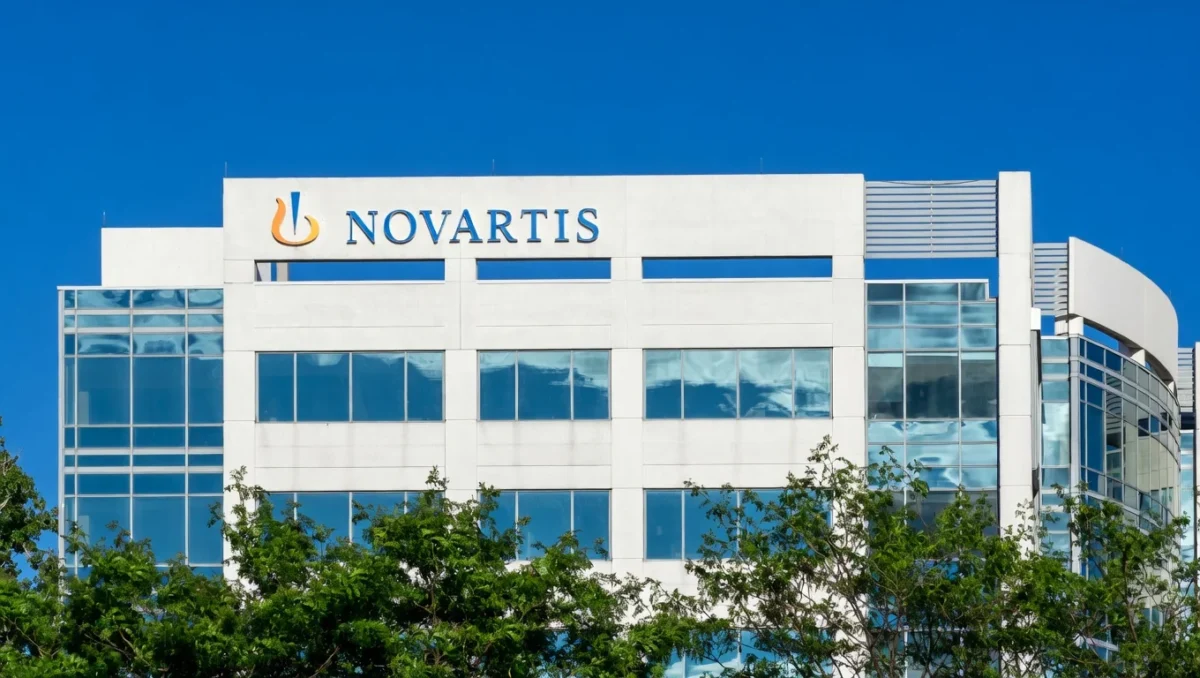
- Shares of Novartis declined more than 3% on Monday following disappointing results from its late-stage cardiovascular drug trial
- The Lp(a)HORIZON study, which included over 8,000 participants, failed to achieve its primary endpoint of reducing major cardiovascular events
- While pelacarsen successfully reduced lipoprotein(a) levels in the bloodstream, this reduction failed to prevent heart attacks, strokes, or cardiovascular deaths
- The outcome casts doubt on competing Lp(a)-focused therapies being developed by Amgen and Eli Lilly, despite their different mechanisms
- The pharmaceutical giant’s year-to-date stock performance now stands at 14% gains, reduced from previous highs following Monday’s decline
Shares of Novartis tumbled over 3% during European market hours on Monday following the pharmaceutical company’s announcement that pelacarsen, its investigational cardiovascular drug, missed the primary endpoint in a pivotal late-stage clinical trial. The decline trimmed the stock’s year-to-date performance to approximately 14%.
The clinical study at the center of this setback is known as the Lp(a)HORIZON trial, which recruited more than 8,000 participants who presented with elevated concentrations of lipoprotein(a), a cholesterol-transporting molecule in circulation that has been associated with cardiovascular disease.
While pelacarsen demonstrated efficacy in reducing Lp(a) concentrations, the lower biomarker levels failed to result in reduced cardiovascular events, including heart attacks, strokes, or mortality.
This disconnect between biomarker reduction and clinical benefit presents a significant obstacle for the therapy’s future prospects.

Shreeram Aradhye, the company’s Chief Medical Officer, expressed disappointment with the findings, stating the outcome was “not what we hoped for,” while emphasizing that the data still contributes valuable insights into the connection between Lp(a) reduction and cardiovascular risk.
Implications for Competing Therapies
This setback extends beyond Novartis alone. Both Amgen and Eli Lilly are advancing their own investigational therapies targeting Lp(a), albeit through alternative biological mechanisms. The pelacarsen trial outcome prompts important questions about whether Lp(a) reduction by itself is sufficient to confer cardiovascular protection.
To date, no therapy specifically designed to target lipoprotein(a) has received regulatory approval, despite elevated Lp(a) levels affecting approximately 20% of the global population.
Novartis licensed pelacarsen from Ionis Pharmaceuticals. The therapy is classified as an antisense oligonucleotide, which works by blocking the production of Lp(a) at its genetic origin.
Growing Pipeline Challenges
Investment analysts at Jefferies observed that the continued success of current cardiovascular medications, coupled with the emergence of GLP-1 receptor agonists for obesity management, has elevated expectations for new cardiac therapies to demonstrate meaningful benefits in outcomes-based studies.
This trial disappointment arrives just days after Novartis announced a pause of eight clinical studies evaluating an experimental cellular therapy for autoimmune and neurological conditions following three patient fatalities.
Jefferies indicated that encouraging data from a recent multiple sclerosis study should provide some reassurance to shareholders.
However, the investment bank also highlighted that Novartis faces mounting expectations to generate favorable outcomes from a therapy obtained through its $12 billion acquisition of Avidity Biosciences to validate that substantial investment.
Complete data from the Lp(a)HORIZON trial are scheduled for presentation at an upcoming medical conference.
Get 3 Free Stock Ebooks
Discover top-performing stocks in AI, Crypto, and Technology with expert analysis.
- Top 10 AI Stocks - Leading AI companies
- Top 10 Crypto Stocks - Blockchain leaders
- Top 10 Tech Stocks - Tech giants


