


Key Highlights
- Qualcomm shares declined by up to 10% during pre-market hours on June 1, 2026
- Nvidia CEO Jensen Huang announced the RTX Spark superchip during Computex 2026, sparking the selloff
- The RTX Spark targets Windows on Arm devices, creating direct rivalry with Qualcomm’s Snapdragon X Elite lineup
- Major OEMs including Dell, HP, ASUS, Lenovo, and MSI will launch RTX Spark-powered systems in fall 2026, developed alongside Microsoft
- Additional headwinds include AMD’s disappointing guidance and potential license cancellation threats from Arm Holdings
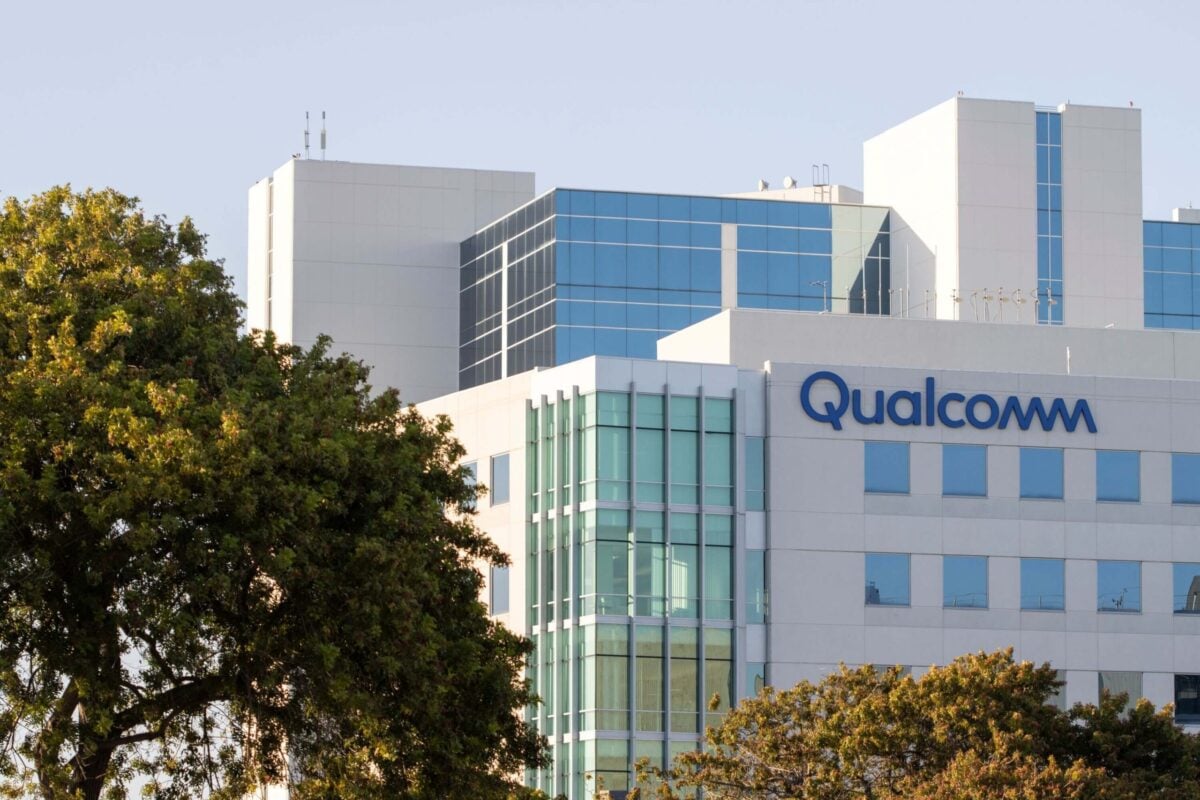
Shares of Qualcomm (QCOM) experienced a sharp decline of up to 10% during pre-market trading on June 1, 2026, following Nvidia CEO Jensen Huang’s presentation at Computex 2026 in Taipei, where he introduced the RTX Spark superchip.
By late morning trading, the stock had settled to approximately 6.6% lower, erasing significant recent momentum. The chipmaker had reached a 52-week peak of $259.92 mere days before Huang’s announcement.
Developed in partnership with Microsoft, the RTX Spark represents Nvidia’s entry into Windows on Arm computing. The chip is scheduled to power laptops and desktop systems from major manufacturers including Dell, HP, ASUS, Lenovo, and MSI starting fall 2026.

This directly challenges Qualcomm’s strategic bet on the Snapdragon X Elite, which the company has positioned as its gateway into mainstream Windows PC computing.
Huang characterized the development as monumental, stating “this reinvention of the computer is as big of a deal as the reinvention of the phone into what we now know as the smartphone.” Market participants clearly took notice.
The challenge extends beyond raw performance metrics. Nvidia brings an established software ecosystem already embraced by gaming enthusiasts, content creators, and AI developers — a credibility advantage Qualcomm hasn’t achieved in the PC space.
While Snapdragon X processors deliver impressive battery efficiency and respectable benchmark results, they’ve been hampered by application compatibility challenges and driver support limitations. Nvidia doesn’t enter with such handicaps.
Qualcomm’s SVP of Compute and Gaming, Kedar Kondap, attempted to present a united front, stating “Welcome to the family” — suggesting Nvidia’s participation validates and strengthens the Windows on Arm ecosystem.
The market reaction suggested skepticism toward that optimistic interpretation.
Additional Challenges Mount
The Nvidia announcement wasn’t Qualcomm’s only concern. A broader semiconductor sector downturn intensified following Advanced Micro Devices’ disappointing revenue outlook, which shook confidence across chip stocks.
Separately, reports surfaced indicating Arm Holdings may terminate a critical architectural license agreement with Qualcomm. Such a move could restrict QCOM’s ability to market its newest processors and creates uncertainty regarding its intellectual property foundation and supply arrangements.
Smartphone Division Faces Headwinds Too
Qualcomm’s expansion into Windows PCs was partially motivated by diversification needs. The company’s traditional smartphone chip business faces mounting pressure as Apple develops proprietary modems, gradually eliminating a historically dependable revenue source.
The PC strategy now confronts formidable competition from one of technology’s most well-capitalized players.
General market conditions remained stable during the session. The S&P 500 advanced 0.2%, the Dow Jones climbed 0.7%, and the Nasdaq increased 0.2%. Qualcomm’s decline was clearly company-specific rather than market-driven.
Prior to this session, Qualcomm maintained a year-to-date gain of 47.70%, with its market capitalization hovering near $264.6 billion.
Technical indicators continue showing a Strong Buy rating for the stock, though this assessment preceded today’s trading activity.
Get 3 Free Stock Ebooks
Discover top-performing stocks in AI, Crypto, and Technology with expert analysis.
- Top 10 AI Stocks - Leading AI companies
- Top 10 Crypto Stocks - Blockchain leaders
- Top 10 Tech Stocks - Tech giants


