


TLDR
- Tehran signals agreement with Oman on limited Hormuz transit corridors is near completion
- Iran’s Foreign Minister demands US compensation payments, sanctions elimination, and military pullout for complete access
- Supreme Leader Mojtaba Khamenei’s endorsement required before final agreement takes effect
- ADNOC confirms missile attack on one of its tankers in the strait over the weekend
- Brent crude prices remain above $83 per barrel despite third consecutive weekly decline
Tehran has indicated substantial progress toward finalizing a limited shipping arrangement with Oman for transit through the Strait of Hormuz, though Iranian officials have outlined extensive prerequisites before permitting unrestricted maritime passage.
Speaking on Saturday, Iranian Foreign Minister Abbas Araghchi confirmed that discussions have advanced regarding the establishment of restricted shipping corridors for vessels navigating in and out of Persian Gulf waters.
Despite the diplomatic momentum, Araghchi emphasized that any interim arrangement would not automatically restore standard commercial shipping operations.
Tehran’s Prerequisites for Complete Maritime Access
The Islamic Republic is insisting on financial compensation from Washington for alleged breaches of the Islamabad Agreement, a diplomatic understanding reached last June that quickly deteriorated.
Iranian officials are additionally pressing for comprehensive sanctions removal, dismantling of the US naval presence restricting Iranian port access, unfreezing of Iranian financial assets held abroad, and complete withdrawal of American military forces from the Middle East region.

These stipulations extend considerably beyond what the United States has indicated willingness to consider. Vice President JD Vance recognized incremental advancement in negotiations while expressing skepticism about Iran presenting conditions Washington could approve.
President Donald Trump has consistently maintained that the Hormuz waterway must resume unrestricted operations, warning of additional military measures should the blockade persist.
Maritime Assaults Persist
While diplomatic channels remain active, vessel attacks within the strategic waterway continue unabated.
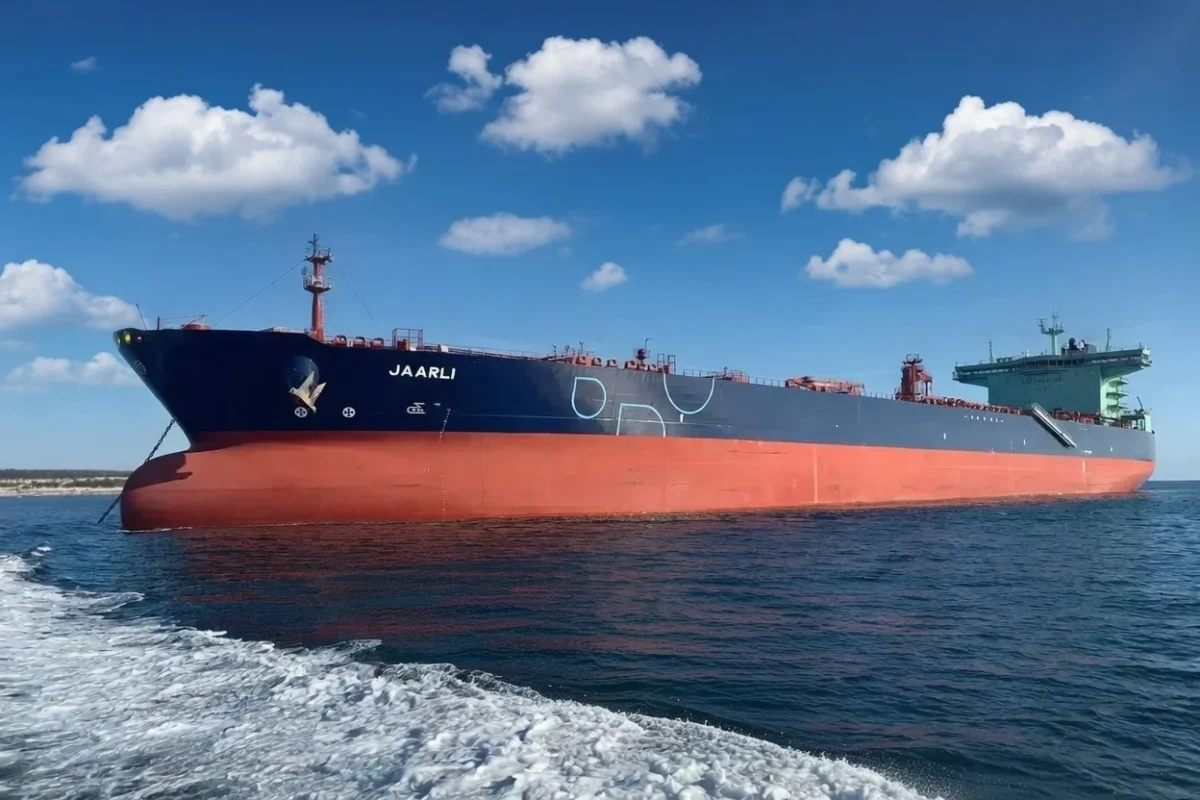
The Abu Dhabi National Oil Company confirmed that missile fire struck one of its tankers during early Saturday morning hours while navigating the strait. The company reported no casualties and confirmed the incident was contained.
ADNOC disclosed that 15 vessels from its fleet have suffered attacks throughout the ongoing crisis, resulting in one fatality and 20 crew members wounded.
Limited vessel movement through the strait has continued under a restricted convoy system supported by US naval forces, though numerous ships have disabled automatic identification systems to prevent monitoring.
Yemen’s Houthi forces announced a drone assault targeting Saudi Aramco’s Jazan processing facility, which handles 400,000 barrels daily. Saudi officials confirmed extinguishing the resulting blaze without casualties.
Aramco’s chief executive stated that recent security incidents created brief production disruptions but generated no significant financial consequences.
Crude Market Response
Brent crude concluded last week’s trading above the $83 per barrel threshold as market participants evaluated the potential for millions of barrels from Gulf producers reentering global supply chains.
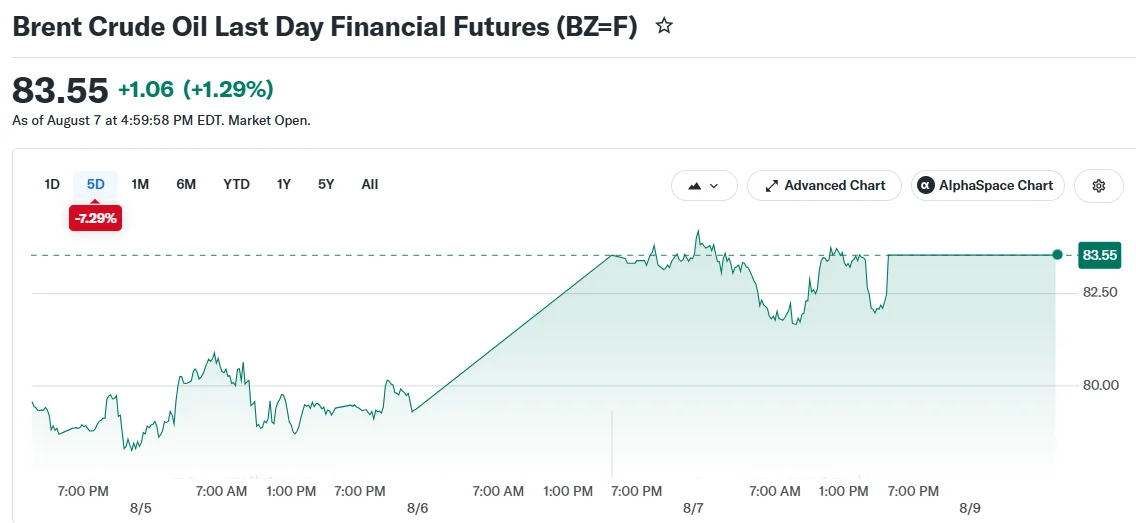
Benchmark prices registered their third successive weekly reduction amid ongoing uncertainty regarding agreement prospects.
Rob Haworth, who serves as senior investment strategy director at US Bank Wealth Management, characterized Hormuz reopening agreements as continuing to “remain elusive” while noting the pathway toward sustainable resolution remains ambiguous.
The critical waterway typically facilitates transit for approximately 20% of worldwide petroleum consumption and has faced severe restrictions since February 28, when combined US and Israeli military operations against Iran commenced.
Any finalized accord between Tehran and Muscat would necessitate formal authorization from Supreme Leader Mojtaba Khamenei. Iranian officials acknowledge that securing his endorsement requires considerable time, with no confirmation of approval forthcoming to date.
Get 3 Free Stock Ebooks
Discover top-performing stocks in AI, Crypto, and Technology with expert analysis.
- Top 10 AI Stocks - Leading AI companies
- Top 10 Crypto Stocks - Blockchain leaders
- Top 10 Tech Stocks - Tech giants


