


TLDR
- Tesla stock fell 7.49% despite launching robotaxis in Miami.
- TSLA closed at $393.45 as robotaxi growth failed to lift shares.
- Miami launch expands Tesla’s autonomous ride-hailing footprint.
- Waymo’s larger fleet keeps pressure on Tesla’s robotaxi push.
- Robotaxis remain key to Tesla’s AI and transport growth plan.
Tesla (TSLA) shares expanded its robotaxi service to Miami on Friday, but TSLA still fell sharply in regular trading. The stock closed down 7.49% at $393.45, then edged higher after hours to $394.40. The move showed pressure on the shares even as Tesla pushed deeper into autonomous ride-hailing.
Tesla Brings Robotaxi Service To Miami
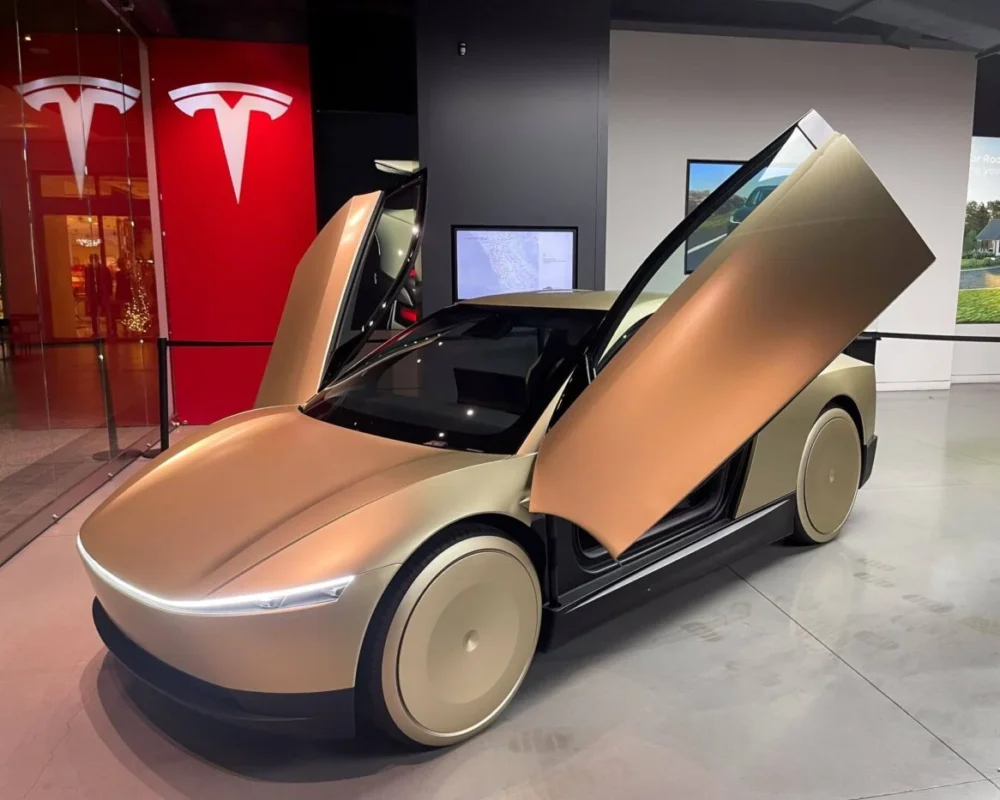
Tesla said its robotaxi service became available in Miami as it widened access to autonomous rides. The rollout adds another city to the company’s growing ride-hailing footprint. It also strengthens Elon Musk’s shift toward self-driving transport, robotics and artificial intelligence.
The Miami launch follows earlier robotaxi activity in Austin, Dallas and Houston. Tesla has used its self-driving software in these services, mainly through existing vehicle platforms. However, the company still faces questions over scale, service limits, and rollout speed.
Tesla has tested vehicles in Miami for months, which gave the city clear strategic value. The launch marks a visible step after earlier preparation in the market. It also gives Tesla a stronger presence in a major urban area with heavy transport demand.
Robotaxi Competition Grows Across U.S. Markets
Tesla’s expansion comes as Waymo and Zoox increase activity in autonomous ride-hailing. Waymo already operates paid driverless rides in several U.S. cities. Zoox continues to push its own purpose-built autonomous vehicle strategy.

Texas registration data shows Tesla operates 42 robotaxis in the state. By contrast, Waymo has registered 577 automated vehicles in Texas. That gap shows Tesla remains smaller in fleet size, even with its latest expansion.
Tesla has a different strategy because it relies on its own vehicle base and software stack. The company aims to turn self-driving technology into a broader commercial service. But execution speed now matters as rivals expand faster in several key markets.
TSLA Falls Despite Robotaxi Progress
TSLA ended deep in the red despite the Miami robotaxi update. The drop followed a sharp early decline before the shares stabilized near after-hours levels. The move suggested the market focused more on valuation pressure than service expansion.
Tesla also reported second-quarter vehicle deliveries above Wall Street expectations this week. That result offered support after recent concerns about demand and competition. The delivery beat failed to prevent Friday’s broader pullback in the stock.
Robotaxis remain central to Tesla’s long-term growth story. Musk has said full self-driving vehicles without safety monitors should become more common across the United States. Yet he has also warned the network may not generate major revenue this year.
Get 3 Free Stock Ebooks
Discover top-performing stocks in AI, Crypto, and Technology with expert analysis.
- Top 10 AI Stocks - Leading AI companies
- Top 10 Crypto Stocks - Blockchain leaders
- Top 10 Tech Stocks - Tech giants


