


Key Takeaways
- SpaceX launched its initial public offering in mid-June, achieving an unprecedented $2 trillion market capitalization in the largest IPO in financial history
- Stifel’s Jonathan Siegmann assigns Buy ratings to multiple space sector companies including SpaceX, Rocket Lab, Kratos, Applied Aerospace, MDA Space, and Spire Global
- Rocket Lab’s upcoming Neutron launch vehicle, designed to carry approximately 30,000 pounds to orbit, targets inaugural flights by late 2026
- Rocket Lab plans to acquire Iridium Communications, a satellite communications provider, in a transaction valued at $8 billion
- AST SpaceMobile maintains strategic partnerships with Verizon and AT&T, with analysts forecasting 340% revenue expansion in 2027
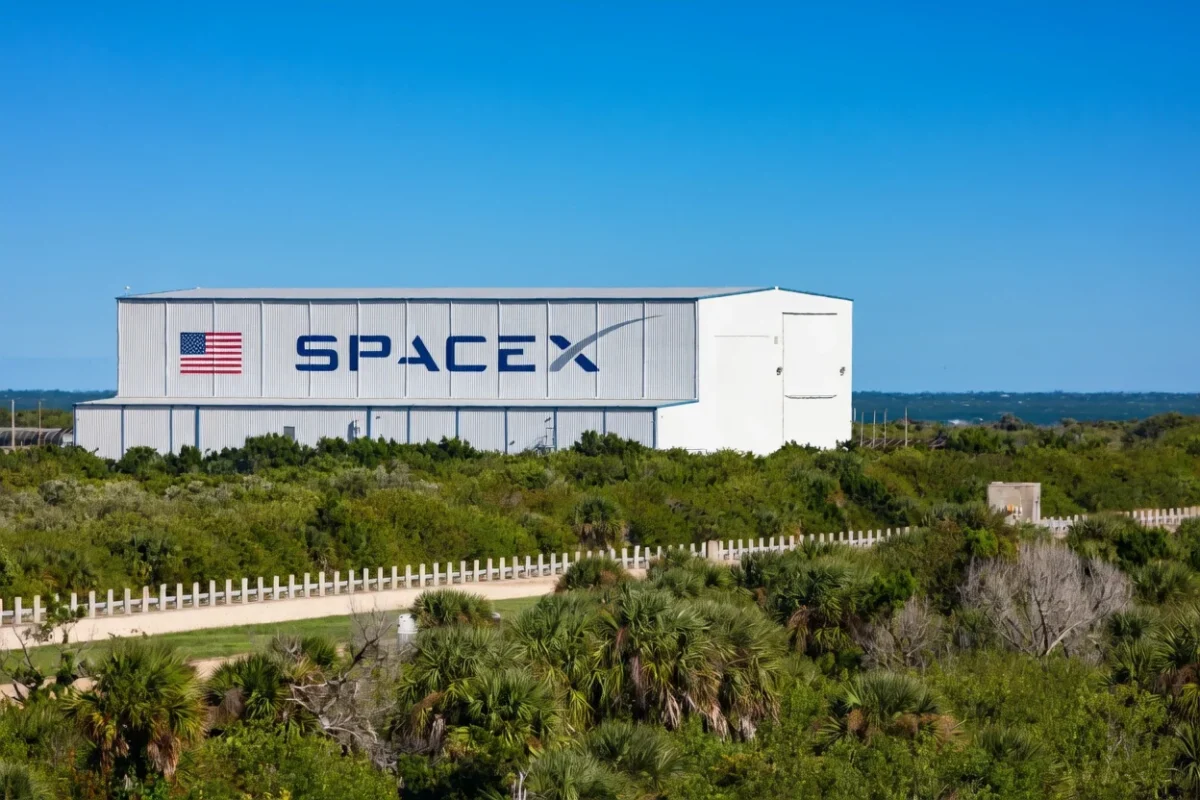
The space industry witnessed a historic milestone when SpaceX completed its public market debut in mid-June 2026, establishing itself as the largest initial public offering ever recorded. The aerospace manufacturer now commands a $2 trillion valuation, capturing intense interest from investors and market analysts across Wall Street.
The foundation of the company’s success lies in its pioneering reusable rocket technology. When SpaceX successfully landed a rocket booster following its return from space in 2015, it fundamentally transformed the economics of space access by significantly reducing launch expenses.
Space Exploration Technologies Corp., SPCX
Beyond launch services, SpaceX operates Starlink, its satellite-based internet connectivity platform. The service has grown to support more than 12 million subscribers worldwide and produced approximately $4.2 billion in annual revenue, achieving profit margins exceeding 60%.
In a research note released Tuesday, Stifel analyst Jonathan Siegmann highlighted that all three major space market segments — defense, commercial, and government — are experiencing simultaneous positive momentum. His firm maintains a Buy rating on SpaceX with a $190 price target.

Rocket Lab Emerges as Strong Challenger
Rocket Lab represents one of SpaceX’s primary competitors in the commercial launch sector. The company’s Electron launch system has successfully completed 91 missions, placing more than 262 satellites into orbit.
The firm is currently developing Neutron, a more capable launch vehicle. This next-generation rocket boasts a payload capacity of nearly 30,000 pounds and is scheduled to commence operations by year-end 2026.
In a significant strategic expansion, Rocket Lab announced plans to acquire Iridium Communications through an $8 billion transaction. This acquisition would integrate Iridium’s satellite communications expertise with Rocket Lab’s existing launch capabilities and space systems manufacturing operations.
Siegmann maintains a Buy rating on Rocket Lab. Industry research from Precedence Research indicates the global launch services market will more than double by 2035, expanding to $70 billion annually.
AST SpaceMobile Challenges Starlink’s Dominance
AST SpaceMobile is positioning itself as a direct competitor to Starlink’s satellite internet business. While the company currently operates fewer than a dozen satellites, it has secured strategic alliances with both Verizon and AT&T.
Starlink’s partnership with T-Mobile contrasts with AST SpaceMobile’s dual-carrier approach, providing the company with an alternative path to market penetration.
Financial analysts project AST’s revenue will surge 140% in 2026, followed by an accelerated 340% growth rate in 2027. The company is anticipated to achieve profitability by 2028.
According to Precedence Research projections, the satellite broadband sector is expected to expand at a 13.5% compound annual growth rate through 2035, reaching a market size exceeding $40 billion per year.
Siegmann’s complete Buy recommendation list encompasses SpaceX, Rocket Lab, Kratos Defense, Applied Aerospace, MDA Space, and Spire Global. Additional space sector companies outside his coverage universe include AST SpaceMobile, Planet Labs, and Firefly Aerospace.
Get 3 Free Stock Ebooks
Discover top-performing stocks in AI, Crypto, and Technology with expert analysis.
- Top 10 AI Stocks - Leading AI companies
- Top 10 Crypto Stocks - Blockchain leaders
- Top 10 Tech Stocks - Tech giants


