


Key Takeaways
- President Trump revealed $1.4 billion in cryptocurrency-related income during 2025 while serving in office
- Earnings originated from his memecoin project ($636M), World Liberty Financial ($594M), and stablecoin operations ($197M)
- In a CNBC interview, Trump stated the income was entirely legal and saw no ethical issues
- Ethics watchdogs argue he’s monetizing the presidency while his team drafts cryptocurrency regulations
- Digital asset firms have already contributed $189 million toward 2026 congressional races
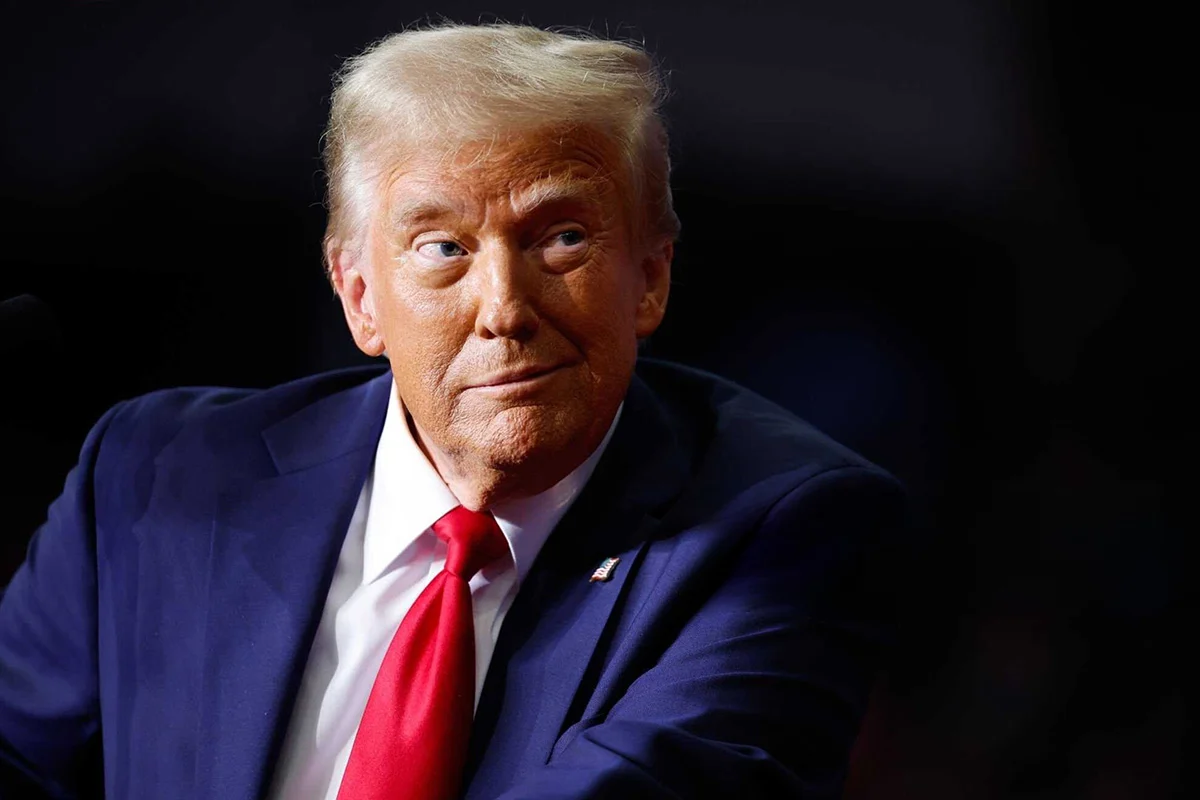
President Donald Trump has publicly defended his substantial cryptocurrency earnings following federal filings that revealed he generated no less than $1.4 billion from digital currency ventures throughout 2025. His remarks came during a Thursday conversation with CNBC conducted at the White House.
During the interview, Trump insisted the earnings were completely lawful and saw “nothing wrong” with the arrangement. When questioned about his awareness of these holdings, he acknowledged: “I could know about it. I didn’t.”
The financial disclosure came through the US Office of Government Ethics, positioning Trump as the highest-earning politician from cryptocurrency in American history.
Revenue Sources Breakdown
According to the filing, approximately $636 million stemmed from his memecoin initiative, Official Trump, which debuted just one day prior to his inauguration. Another $594 million originated from World Liberty Financial, a digital currency enterprise he established alongside his sons. An additional stablecoin project contributed nearly $197 million to the total.
Before assuming office, Trump transferred operational control of his business interests to his two oldest sons. However, he retained ownership and did not sell off his assets.
Overall, Trump documented more than $2 billion in revenue from various business ventures and investments during 2025, with cryptocurrency accounting for the lion’s share.
Watchdog Groups Voice Concerns
Ethics organizations have characterized the earnings as exploitative profiteering. Their primary concern centers on Trump’s ability to influence cryptocurrency policy while simultaneously collecting profits from the same sector.

The current administration is actively participating in negotiations surrounding the Digital Asset Market Clarity Act. Additionally, legislation prohibiting central bank digital currencies awaits Trump’s approval.
Mary Trump, the president’s niece, commented during a CNN appearance: “Donald is once again pushing the envelope and nobody is putting the brakes on it.”
She expressed concern that investors who placed trust in Trump’s cryptocurrency projects may have experienced significant financial losses.
These revelations surface as Bitcoin has declined approximately 50% from its all-time peak above $126,000 reached in October. The wider cryptocurrency marketplace experienced considerable turbulence during the first half of 2026.
Industry’s Expanding Political Influence
The cryptocurrency sector has dramatically escalated its political expenditures. Following an estimated $170 million spent on 2024 elections, industry-affiliated organizations have already directed $189 million toward 2026 campaigns as of June, based on data from consumer advocacy organization Public Citizen.
This amount represents the majority of $294 million deployed by cryptocurrency, artificial intelligence, technology giants, and online gambling companies during this electoral cycle.
The entire 435-member House of Representatives and 35 Senate positions are contested in 2026. Trump’s presidential term extends through January 2029.
Trump had previously dismissed Bitcoin as a “scam” following his initial presidency. He subsequently reversed course before the 2024 election, cultivating relationships with prominent cryptocurrency industry leaders.
Get 3 Free Stock Ebooks
Discover top-performing stocks in AI, Crypto, and Technology with expert analysis.
- Top 10 AI Stocks - Leading AI companies
- Top 10 Crypto Stocks - Blockchain leaders
- Top 10 Tech Stocks - Tech giants


