


Key Highlights
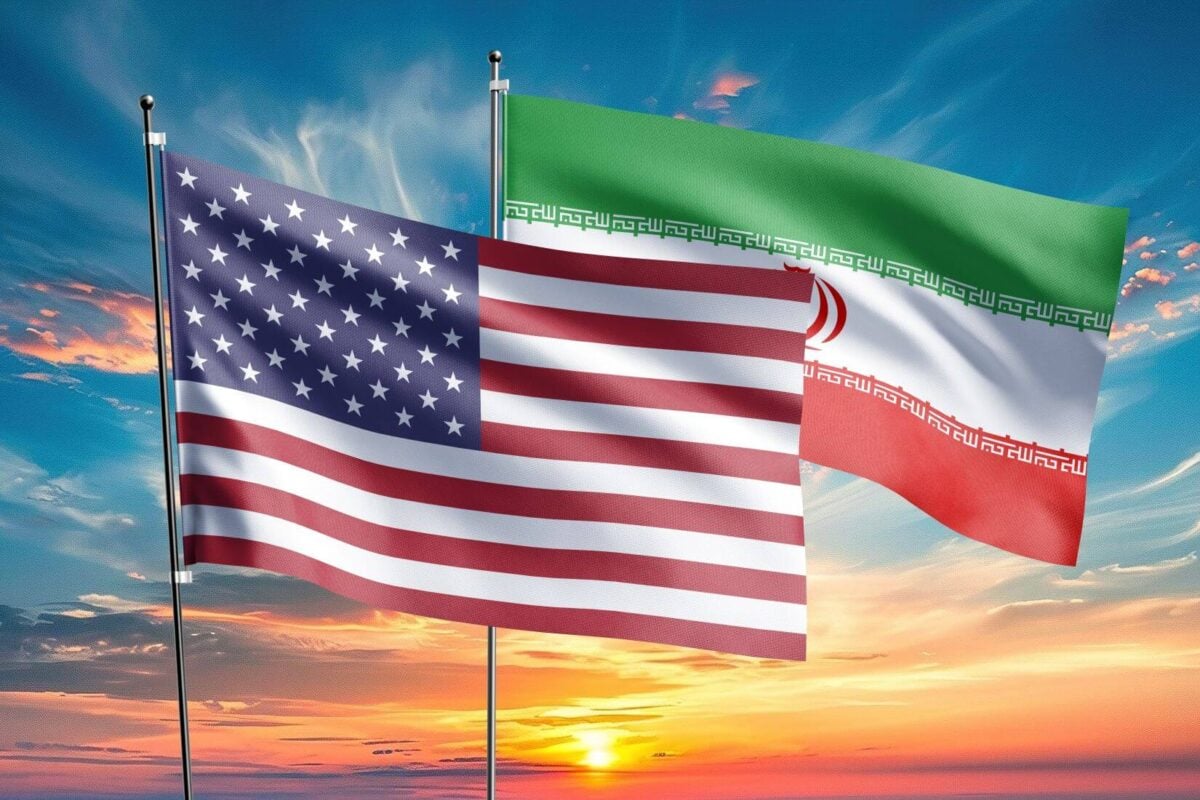
- Military confrontation between Washington and Tehran entered its second consecutive day, with Trump issuing stern warnings of continued attacks unless Iran agrees to diplomatic terms.
- Thursday morning saw modest recovery in US equity futures following overnight military operations, after Wednesday’s significant market downturn.
- Tehran launched attacks on American military installations and partner nations in Kuwait, Bahrain, and Jordan, while asserting it has disrupted maritime traffic through the Strait of Hormuz.
- Crude prices surged amid concerns over potential prolonged closure of the critical Strait of Hormuz waterway, intensifying inflationary pressures.
- The highly anticipated SpaceX public offering, projected to become the largest IPO ever recorded, is scheduled to launch on Friday.
Washington executed a follow-up wave of military strikes targeting Iranian positions during the late Wednesday to early Thursday timeframe, representing a significant intensification in hostilities that have disrupted worldwide financial systems. The US Central Command validated these operations, characterizing them as defensive measures undertaken after Iranian forces destroyed an American Apache helicopter operating near the Strait of Hormuz.
During a Fox News broadcast, President Trump delivered a forceful message that Washington stands ready to intensify military pressure should Tehran refuse immediate acceptance of diplomatic negotiations. Speaking earlier on Wednesday, Trump declared that Iran had exhausted available negotiating time and would face consequences for its actions.
Tehran responded with military force, launching strikes against American military facilities and installations belonging to allied forces throughout Kuwait, Bahrain, and Jordan. Multiple explosions were documented across these three nations. Iranian authorities additionally announced a complete shutdown of vessel movement through the Strait of Hormuz, a claim that CENTCOM has challenged as inaccurate.
Financial Markets React to Escalating Tensions
Thursday morning trading showed US equity futures posting modest advances following the nighttime military actions, with Dow futures climbing 0.3%, S&P 500 futures advancing 0.4%, and Nasdaq futures gaining 0.3%. These incremental improvements followed Wednesday’s punishing trading session.
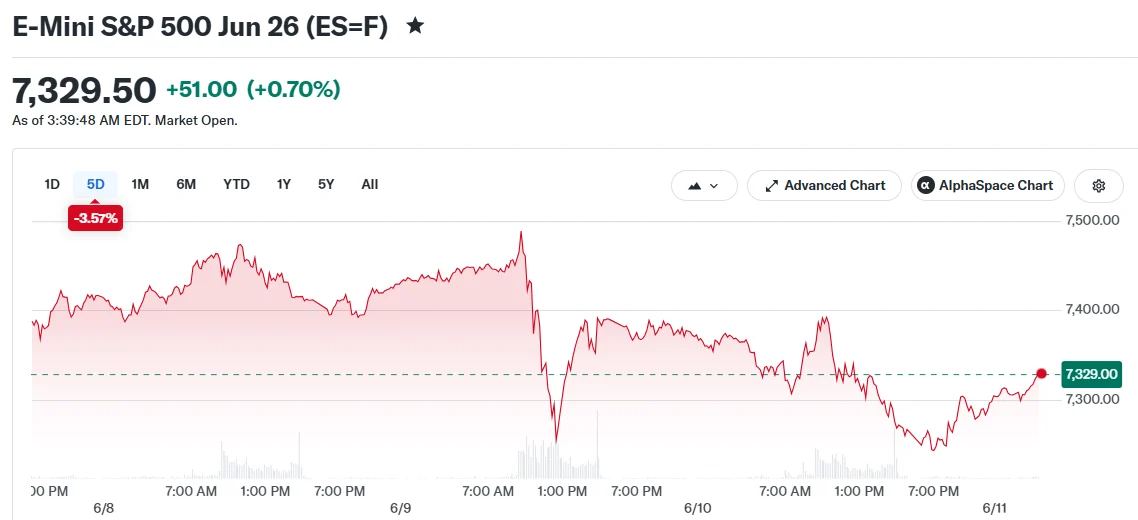
Wednesday witnessed widespread equity declines as military confrontations escalated. The S&P 500 declined 1.62%, the Dow surrendered 1.87%, and the Nasdaq retreated 1.98%. Trading sentiment was additionally impacted by new inflation data revealing accelerating price increases.

Crude oil markets experienced sharp Thursday gains as anxieties mounted regarding potential extended disruption of the Strait of Hormuz, a vital corridor for international petroleum transportation. The surge in energy prices compounded existing inflation worries troubling market participants.
Trump directly commented on petroleum market conditions, stating he “liked the inflation” and asserting that Washington had covertly maintained oil shipments through Hormuz, amounting to approximately 100 million barrels.
SpaceX Market Debut and Oracle Results Capture Attention
Oracle delivered quarterly financial results Wednesday evening that surpassed analyst projections, though shares declined as cloud computing revenue disappointed investor expectations.
The Producer Price Index report was scheduled for Thursday release, offering markets additional insight into wholesale-level price acceleration following May’s elevated inflation figures.
Market attention is concentrated on Friday’s anticipated SpaceX public market launch. The offering is forecast to establish records as history’s largest IPO, potentially delivering positive momentum to markets struggling through a challenging week.
Separate tensions involving Israel, Lebanon, and Hezbollah remained elevated throughout this period. Israeli defense forces issued early Thursday warnings regarding new projectile activity originating from Lebanese territory, contributing additional uncertainty to an already volatile geopolitical environment.
With substantial disagreements persisting between Washington and Tehran on critical matters — encompassing Iran’s nuclear development activities and maritime control of the strategic waterway — prospects for diplomatic resolution remain distant.
Get 3 Free Stock Ebooks
Discover top-performing stocks in AI, Crypto, and Technology with expert analysis.
- Top 10 AI Stocks - Leading AI companies
- Top 10 Crypto Stocks - Blockchain leaders
- Top 10 Tech Stocks - Tech giants


