


Key Points
- OFAC has placed sanctions on four Iranian cryptocurrency platforms: Nobitex, Wallex, Bitpin, and Ramzinex
- Nobitex processes approximately 50% of Iran’s total cryptocurrency transaction volume
- The action falls under the Treasury’s “Economic Fury” initiative targeting Iran’s financial access
- Since February, the U.S. has confiscated close to $1 billion in cryptocurrency from Iranian platforms, according to Secretary Scott Bessent
- OFAC’s sanctions list now includes Nobitex’s CEO and chairman as individually designated persons
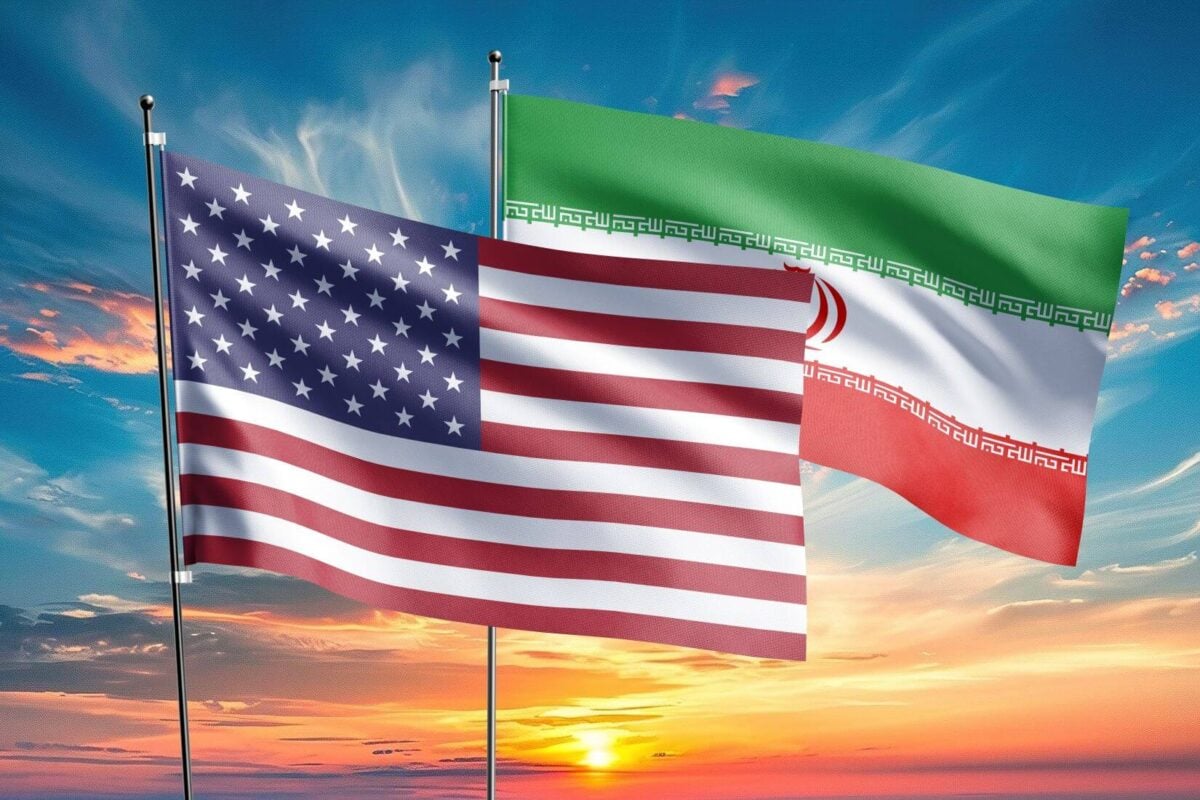
The United States Department of the Treasury has designated four Iranian digital currency platforms with sanctions in its continuing financial offensive against Iran. The Treasury action encompasses Nobitex, the nation’s dominant cryptocurrency trading venue, alongside Wallex, Bitpin, and Ramzinex.
Tuesday’s designation came from the Treasury’s Office of Foreign Assets Control, commonly referred to as OFAC. American companies and citizens are now prohibited from conducting any financial transactions with these designated entities.
This measure forms part of a comprehensive initiative termed “Economic Fury,” which commenced on April 14. The program aims to isolate Iran from global financial infrastructure, covering both conventional banking and blockchain-based systems.
Treasury Secretary Scott Bessent revealed that authorities have confiscated approximately $1 billion in cryptocurrency from Iranian platforms and digital wallets since hostilities with Iran escalated in February. This disclosure preceded Tuesday’s sanctions announcement by just four days.
“While Iran’s economy is in free fall, the regime has chosen to co-opt digital asset technologies for its own corrupt agenda,” Bessent said in a statement.
Nobitex Serves as Hub for Iran’s Digital Currency Operations
According to blockchain intelligence provider Chainalysis, Nobitex operates as the central node in Iran’s “digital dollar pipeline.” The platform accounts for roughly half of the nation’s cryptocurrency trading activity.
Treasury officials connected Nobitex to financial transactions involving the Islamic Revolutionary Guard Corps and additional sanctioned organizations. The department further alleged the platform enabled ransomware-related payments and facilitated asset transfers from Iran following U.S. military strikes.

The Treasury additionally asserted that Nobitex assisted Iranian government surveillance operations against citizens by processing state-connected financial flows.
Seyed Ali Khoee, Nobitex’s chief executive officer, and Amir Hossein Rad, the company’s chairman, received personal designations on OFAC’s sanctions roster. These individuals now face specific legal constraints under American jurisdiction.
Expanded Offensive Against Iranian Financial Infrastructure
The Treasury Department reports blocking “tens of billions of dollars” in funding channels that would otherwise flow to Iran’s government and affiliated organizations.
This encompasses measures against informal banking networks and international entities facilitating Iran’s petroleum exports and defense sector activities.
American authorities have issued warnings regarding sanctions exposure for entities paying Iran “tolls” for transit through the Strait of Hormuz. These advisories apply to all payment methods, including cryptocurrency transfers and non-monetary compensation.
The Strait of Hormuz represents a vital maritime corridor transporting roughly 20% of global oil supply.
Bessent said ending Iran’s nuclear program is a top Treasury priority. “Treasury will continue to follow the money in support of Economic Fury, whether it is through the banking system or through digital assets, to prevent the regime from developing a nuclear weapon,” he said.
Combined American and Israeli military operations against Iran commenced in February, initiating the present conflict and the subsequent financial pressure campaign.
Get 3 Free Stock Ebooks
Discover top-performing stocks in AI, Crypto, and Technology with expert analysis.
- Top 10 AI Stocks - Leading AI companies
- Top 10 Crypto Stocks - Blockchain leaders
- Top 10 Tech Stocks - Tech giants


