


TLDR
- President insists the CFTC should maintain exclusive oversight of prediction platforms, preventing state intervention
- Tim Walz signed Minnesota’s groundbreaking legislation prohibiting prediction market operations in the state
- New York’s AG Letitia James targeted cryptocurrency companies linked to prediction platforms for unauthorized gambling activities
- The President and relatives maintain financial interests in cryptocurrency projects and prediction market companies including Kalshi and Polymarket
- The fundamental dispute centers on classifying prediction markets as federal financial instruments versus state-controlled wagering
A jurisdictional battle between Washington and state capitals over prediction market regulation has reached a critical point, with the White House now weighing in directly.
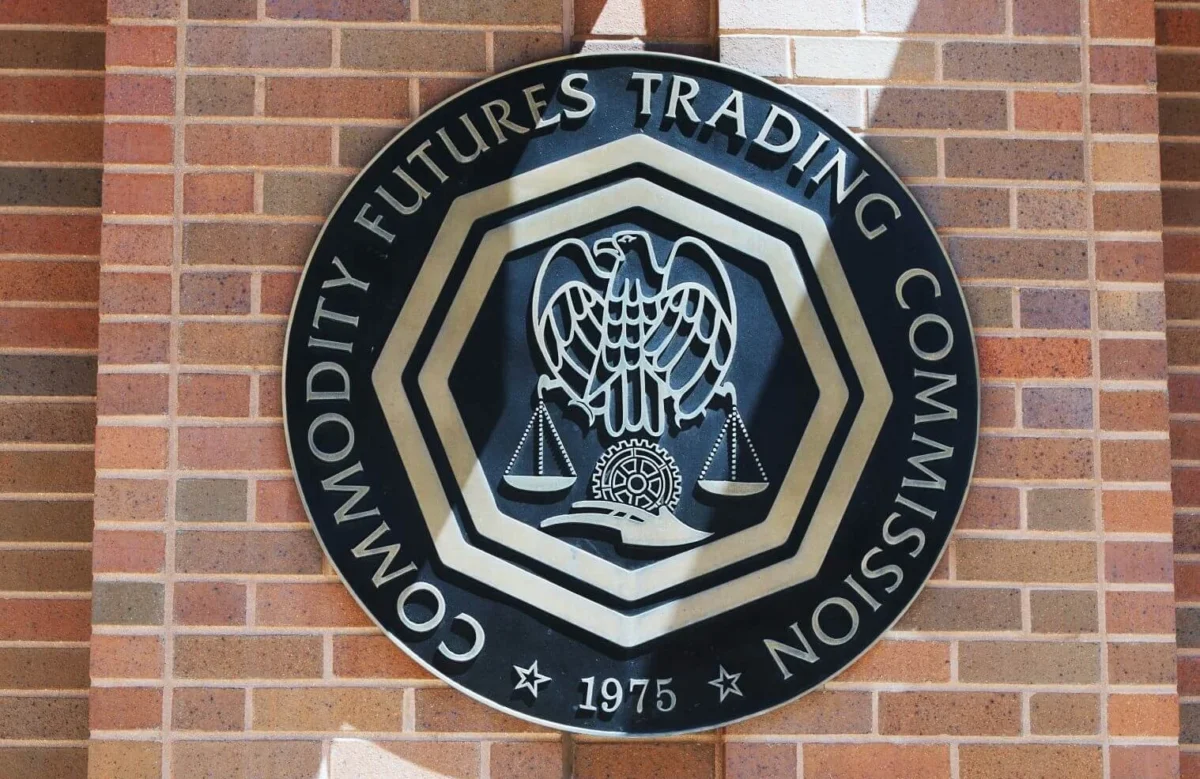
On Tuesday morning, President Donald Trump used social media to declare that the Commodity Futures Trading Commission must retain exclusive regulatory authority over prediction market operations. His statement advocated for these platforms to operate nationwide without interference from state-level authorities.
The President simultaneously reaffirmed his commitment to maintaining America’s leadership position in the worldwide cryptocurrency sector.
State Governments Counter With Restrictive Legislation
Trump’s statement arrived forty-eight hours following a New York Times exposé examining how the CFTC has relaxed oversight of cryptocurrency companies and prediction platform operators during Trump-friendly leadership. The investigation highlighted reduced enforcement personnel and agency positions favorable to industry interests.
These platforms enable participants to purchase and sell contracts tied to actual events. Options range from political races and financial indicators to athletic competitions. Operators such as Kalshi and Polymarket have positioned themselves within conventional finance, asserting they function as federally supervised trading venues.
State authorities present an alternative perspective. Numerous officials at the state level characterize these services as wagering enterprises camouflaged as investment products.

Minnesota broke new ground by enacting legislation specifically targeting prediction market companies. Last week, Governor Tim Walz approved the measure. The federal response came swiftly, with legal proceedings asserting Washington’s supremacy on the issue.
In Tuesday’s message, Trump specifically named Walz. He also singled out New York Attorney General Letitia James, who has pursued legal action against cryptocurrency enterprises involved in event-based contract trading.
James has recently charged these organizations with conducting gambling enterprises within New York’s borders without proper state authorization. The targeted companies maintain they operate under CFTC jurisdiction, not state gambling oversight boards.
Presidential Family’s Industry Connections
This controversy includes a political dimension. The President and his relatives hold financial stakes in the very sectors his government now champions.
Trump maintains involvement with several cryptocurrency initiatives, notably World Liberty Financial. Donald Trump Jr. has documented associations with both Kalshi and Polymarket, leading platforms in the prediction market space.
These relationships face increasing scrutiny as federal oversight agencies adopt positions aligned with industry preferences.
The implications extend beyond cryptocurrency enthusiasts and political speculators. States have traditionally exercised control over gambling regulations, including lotteries, betting parlors, and gaming establishments. Should prediction markets receive classification as federal financial markets, regulatory power would transfer to the national level.
Officials from both major political parties across multiple states have voiced objections. Their position maintains these platforms function identically to digital sportsbooks, regardless of legal terminology.
From the administration’s perspective, this confrontation represents part of a broader discussion about American economic dominance. Trump positioned cryptocurrency and prediction markets as sectors requiring American leadership, cautioning that international competitors seek to attract these businesses abroad.
This matter also demonstrates an evolution within Republican party ideology. Cryptocurrency and financial technology enterprises once considered fringe interests now receive treatment as strategic economic sectors by Trump supporters who view extensive regulation as harmful to expansion.
Judicial systems will probably determine the outcome. The core issue appears straightforward yet carries enormous financial implications. When individuals wager on electoral outcomes or sporting events through prediction platforms, does that activity constitute federally supervised trading or simply internet gambling under another designation?
The administration initiated its legal opposition to Minnesota’s legislation within mere days of its enactment.
Get 3 Free Stock Ebooks
Discover top-performing stocks in AI, Crypto, and Technology with expert analysis.
- Top 10 AI Stocks - Leading AI companies
- Top 10 Crypto Stocks - Blockchain leaders
- Top 10 Tech Stocks - Tech giants


