


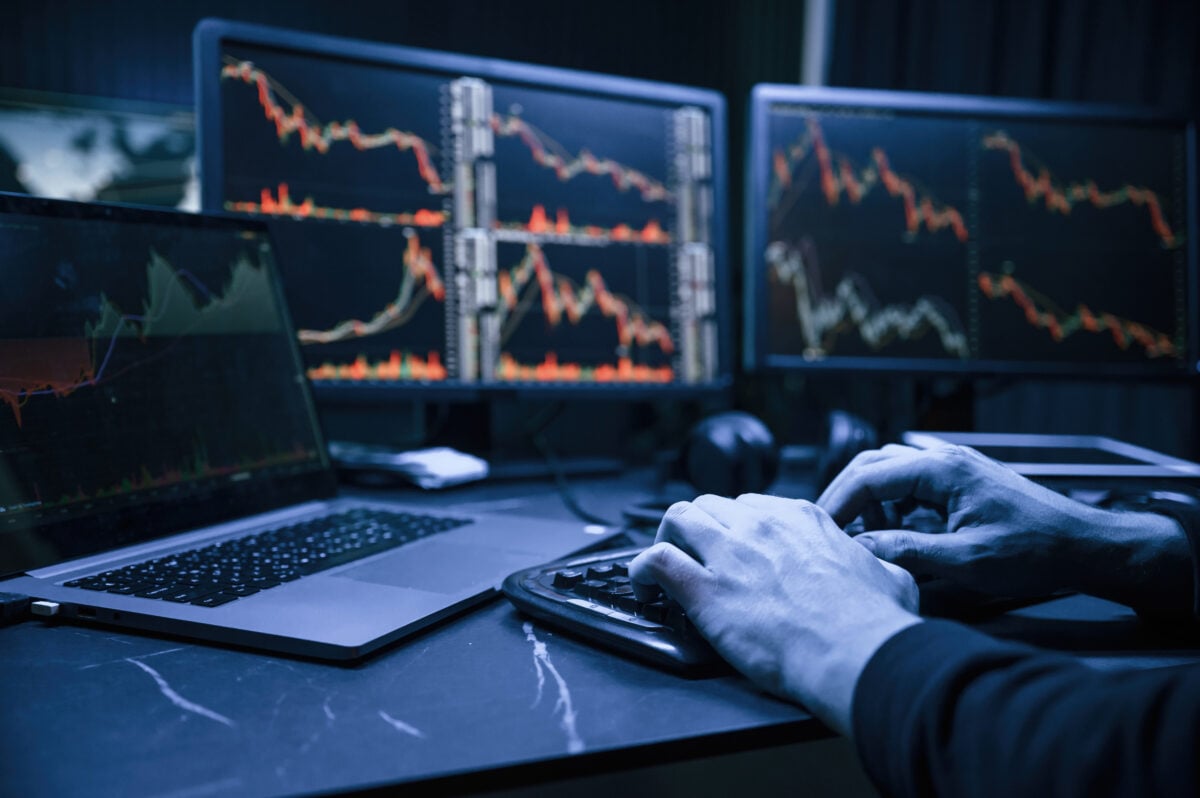
The way people invest is changing.
Not long ago, investing was largely viewed as something best left to financial advisers, fund managers, and industry professionals. Today, however, a growing number of individuals are choosing to take a more active role in managing their own investments. Armed with technology, greater access to information, and a desire for more control over their financial futures, self-directed investors are becoming one of the fastest-growing segments of the market.
From first-time investors building their initial portfolios to experienced professionals seeking greater transparency and flexibility, self-directed investing is reshaping the way people approach wealth creation in 2026.
According to Dale Gillham, founder of Wealth Within and a respected investment educator with decades of market experience, the trend reflects a broader shift in how people think about money, financial independence, and long-term wealth.
“People are becoming far more engaged with their finances than they were in the past,” says Gillham. “They’re no longer content to simply hand over responsibility and hope for the best. They want to understand how investing works and have greater control over the decisions that impact their financial future.”
A Desire for Greater Financial Control
One of the biggest drivers behind self-directed investing is the desire for control.
In today’s economic environment, many individuals are paying closer attention to their finances than ever before. Rising living costs, concerns about retirement readiness, and ongoing market uncertainty have encouraged people to take a more proactive approach to managing their wealth.

Rather than relying entirely on third parties, investors increasingly want visibility into where their money is invested, how decisions are made, and what strategies are being used to generate returns.
This doesn’t necessarily mean abandoning professional advice altogether. Instead, many investors are seeking a more hands-on role in the process.
“People want to be informed participants rather than passive observers,” Gillham explains. “The more knowledge they have, the more confidence they develop in making financial decisions.”
Technology Has Changed the Game
The rise of self-directed investing would not be possible without technology.
Over the past decade, investment platforms have become dramatically more accessible. Opening an account, researching investments, monitoring performance, and executing trades can now be done from virtually anywhere using a smartphone or laptop.
Information that was once available only to professionals is now widely accessible to everyday investors. Financial news, company reports, market analysis tools, and educational resources have helped create a more informed investing community.
Technology has effectively removed many of the barriers that once prevented individuals from participating in the market.
However, Gillham believes that access alone is not enough.
“Technology has made investing easier, but it hasn’t necessarily made people better investors,” he says. “Successful investing still requires education, discipline, and a clear strategy.”
Financial Education Is Becoming More Valuable
As more people take responsibility for their own investment decisions, financial education has become increasingly important.
Many investors are beginning to recognize that understanding markets can be one of the most valuable skills they develop throughout their lives.
Instead of relying on stock tips or reacting to market headlines, self-directed investors are investing in their own knowledge. Online courses, books, webinars, and educational communities have seen growing interest as individuals seek to improve their financial literacy.
This shift reflects a growing awareness that long-term investment success is rarely about luck.
“The investors who consistently perform well are usually those who understand what they’re doing and why they’re doing it,” says Gillham. “Education gives investors the confidence to make rational decisions, even when markets become volatile.”
The Influence of Market Volatility
Periods of market uncertainty often reveal the strengths and weaknesses of an investment strategy.
Recent years have reminded investors that markets can move rapidly in both directions. Economic shifts, geopolitical events, inflation concerns, and changing interest rates have all contributed to increased market volatility.
While uncertainty can create anxiety, it has also encouraged many investors to become more educated and self-reliant.
Rather than relying solely on headlines or outside opinions, self-directed investors are learning how markets behave and developing strategies that can adapt to changing conditions.
“Volatility isn’t necessarily something investors should fear,” Gillham explains. “What matters is having a framework for making decisions when uncertainty arises.”
For many investors, gaining that framework has become a major motivation for pursuing financial education and taking a more active role in managing their portfolios.
Investors Want Transparency
Transparency has become another key factor driving the growth of self-directed investing.
Many individuals want a clearer understanding of how investment decisions affect their financial goals. They want visibility into fees, portfolio performance, risk exposure, and long-term strategy.
The ability to directly monitor investments provides a level of transparency that appeals to modern investors.
This is particularly true among younger generations, who have grown up with instant access to information and expect greater visibility into every aspect of their financial lives.
The demand for transparency is encouraging investors to learn more about how markets work and become more engaged in the decision-making process.
The Challenge of Information Overload
While access to information has many benefits, it also presents challenges.
Today’s investors are surrounded by an endless stream of opinions, forecasts, market commentary, and financial content. Social media platforms, investment influencers, podcasts, and news outlets compete constantly for attention.
Unfortunately, more information does not always lead to better decisions.
In some cases, investors can become overwhelmed by conflicting viewpoints and short-term market noise.
“One of the biggest challenges today isn’t finding information—it’s knowing what information matters,” says Gillham. “Investors need to develop the ability to filter out distractions and focus on the factors that genuinely impact their long-term goals.”
This is where education and experience play a crucial role.
Long-Term Thinking Is Returning
Despite the popularity of speculative trading content online, many investors are rediscovering the value of long-term investing.
Short-term market movements can attract attention, but lasting wealth is typically built through consistency, patience, and disciplined decision-making over time.
Many self-directed investors are focusing less on chasing quick wins and more on building sustainable strategies that can support long-term financial objectives.
This shift toward long-term thinking reflects a growing maturity among investors who recognize that wealth creation is a process rather than a single event.
“The most successful investors understand that investing is a marathon, not a sprint,” says Gillham. “The goal isn’t to predict every market movement. The goal is to make smart decisions consistently over time.”
Looking Ahead
The growing popularity of self-directed investing reflects more than just advances in technology or changing market conditions.
It represents a broader shift toward financial empowerment.
People are becoming more engaged, more educated, and more interested in understanding how wealth is created. Rather than outsourcing every financial decision, they are taking responsibility for their own financial futures and seeking the knowledge necessary to make informed choices.
While self-directed investing is not without its challenges, the movement shows no signs of slowing down.
As financial education becomes increasingly accessible and investors continue to seek greater control over their money, self-directed investing is likely to remain a defining trend in the years ahead.
“Ultimately, investing is about giving yourself options,” Gillham concludes. “The more knowledge and confidence people have, the better positioned they are to make decisions that support their long-term goals.”
For a growing number of investors, that journey begins with taking control of their own financial future.
Get 3 Free Stock Ebooks
Discover top-performing stocks in AI, Crypto, and Technology with expert analysis.
- Top 10 AI Stocks - Leading AI companies
- Top 10 Crypto Stocks - Blockchain leaders
- Top 10 Tech Stocks - Tech giants


