


TLDRs
- Google launches Gemini Mac app, boosting Alphabet AI ecosystem expansion.
- Desktop integration strengthens competition between Google and Microsoft Copilot.
- Option+Space shortcut enables instant AI access on macOS systems.
- File and screen analysis tools enhance Gemini productivity capabilities.
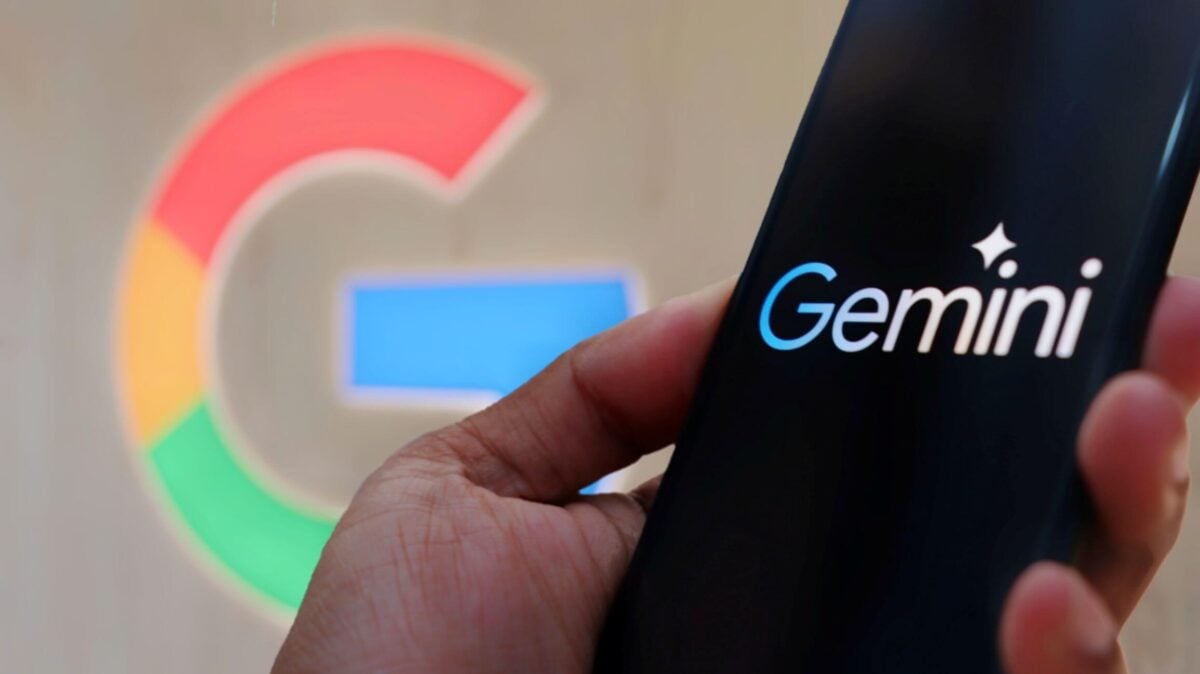
Alphabet Inc (NASDAQ: GOOGL) is gaining renewed investor attention after Google introduced a native Gemini desktop application for Mac users, expanding its artificial intelligence ecosystem directly into Apple’s operating system.
The move strengthens Google’s position in the fast-growing AI assistant race, helping push sentiment around the stock slightly higher as markets continue to reassess long-term winners in the AI productivity wave.
Mac Desktop Expansion Strategy
Google’s rollout of a dedicated Gemini app for macOS marks a notable shift from browser-based AI access toward a more integrated desktop experience. The app is available for devices running macOS 15 or later and can be launched globally for free, signaling Google’s intent to rapidly scale adoption rather than restrict early usage behind paywalls.
A key feature of the application is its system-level shortcut integration using Option + Space, allowing users to instantly summon Gemini from anywhere on their Mac. This design choice places the tool directly into daily workflows, aligning with how users interact with productivity assistants on desktop systems.
File and Screen Intelligence Tools
Beyond simple chat functionality, the Gemini Mac app introduces contextual intelligence capabilities. Users can share active windows or upload local files directly into the assistant, enabling it to analyze on-screen content in real time.

This means Gemini can summarize charts, interpret documents, or even assist with spreadsheet formulas without requiring users to manually copy and paste information. The feature positions Google’s AI closer to a full productivity companion rather than a standalone chatbot, increasing its relevance in professional environments where Mac devices are widely used.
Competing in the AI Desktop Race
The launch places Alphabet in direct competition with Microsoft’s Copilot strategy on macOS. Both companies are now targeting the desktop layer as the next major battleground for AI assistants, moving beyond mobile and web interfaces.
Like Copilot, Gemini adopts a familiar shortcut-based activation method designed to match user muscle memory. However, both ecosystems are still evolving, with features such as advanced research tools and deeper system integrations expected to expand over time.
Google has also maintained a dual pricing structure, offering a free tier alongside a premium subscription through Google One AI Premium, which includes Gemini Advanced and integration with Docs and Sheets for about $20 per month. This approach mirrors broader industry efforts to balance mass adoption with enterprise monetization.
Broader Market and Strategic Impact
The introduction of a native Mac app also has wider implications for Alphabet’s competitive positioning in AI infrastructure. By embedding Gemini directly into Apple’s desktop environment, Google is effectively increasing user touchpoints across ecosystems traditionally dominated by Apple-native services.
This move also intensifies pressure on Apple as it continues developing its own AI system while exploring third-party model integration, including Gemini. The desktop integration signals that the AI assistant market is no longer confined to mobile devices or cloud platforms but is rapidly becoming embedded in operating systems themselves.
At the same time, analysts highlight potential enterprise concerns, particularly around unmanaged AI usage. As employees gain easier access to powerful AI tools, companies may face increased risks related to data exposure and “shadow AI,” where unapproved tools are used outside IT oversight. This could accelerate demand for corporate AI governance solutions alongside adoption.
Get 3 Free Stock Ebooks
Discover top-performing stocks in AI, Crypto, and Technology with expert analysis.
- Top 10 AI Stocks - Leading AI companies
- Top 10 Crypto Stocks - Blockchain leaders
- Top 10 Tech Stocks - Tech giants


