


Key Takeaways
- Federal Reserve increased benchmark interest rates 25 basis points, bringing the range to 3.75%-4%, marking the first increase since 2023
- President Trump called for immediate rate reductions to 1% “or less” within hours of the Fed’s announcement
- Trump disclosed he advised Fed Chair Kevin Warsh to align with the board prior to the rate decision
- The FOMC vote was unanimous, with Warsh and all 12 members supporting the increase
- Fed officials indicate the possibility of an additional rate hike before 2026 concludes
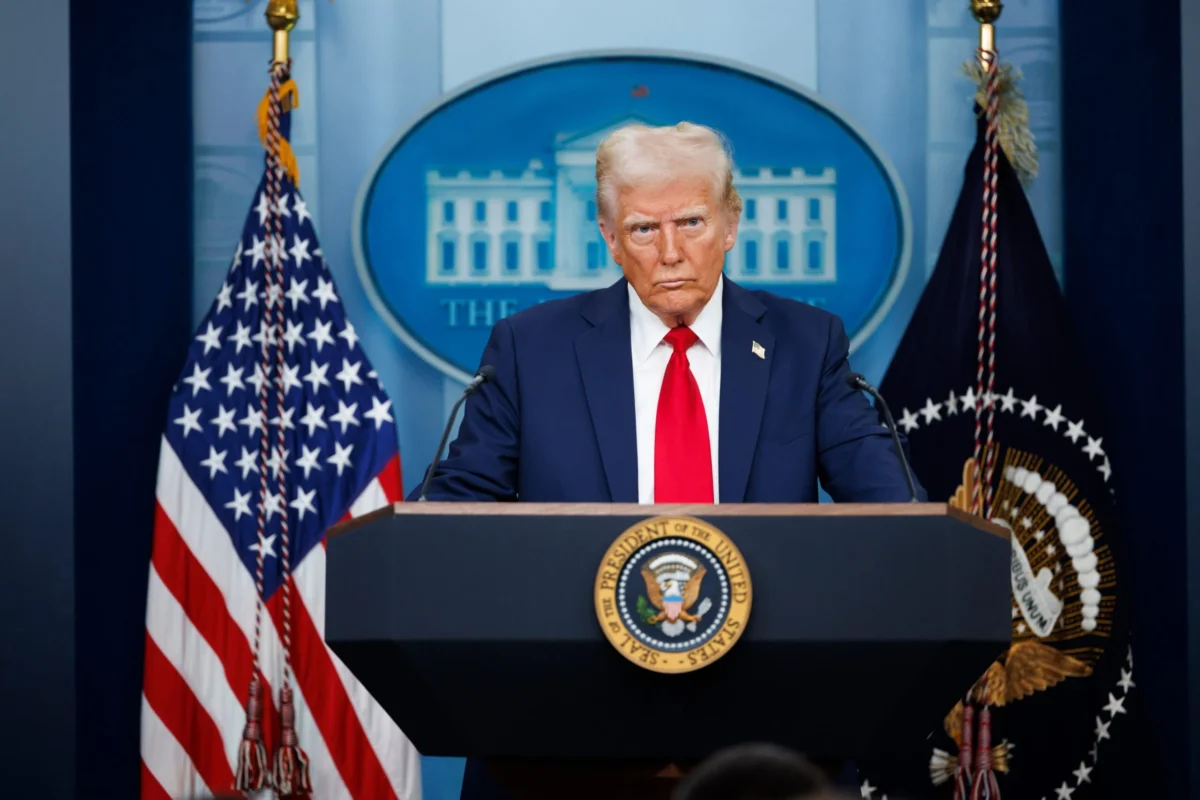
President Donald Trump is mounting pressure on the Federal Reserve to slash interest rates to 1% or below, mere hours following the central bank’s decision to implement its first rate increase in three years.
On Wednesday, the Federal Open Market Committee delivered a unanimous decision to increase its benchmark interest rate by 25 basis points, establishing a new target range of 3.75% to 4%.
BREAKING: Trump calls for interest rate cuts pic.twitter.com/u2zEXHEmR5
— The Spectator Index (@spectatorindex) September 16, 2026
This marks the initial rate increase since 2023 and represents the first such action during Fed Chair Kevin Warsh’s tenure, who received his nomination from Trump.
The president’s response was swift. Taking to Truth Social, Trump issued a forceful statement demanding immediate action: “LOWER THE INTEREST RATES FOR THE UNITED STATES OF AMERICA, AND FAST!”
Speaking with the press, he elaborated that American interest rates “should be 1%, or less, because we are the Best Credit in the World.”
President Confirms Pre-Vote Discussion with Fed Chair
Trump disclosed that he had communicated with Warsh before the FOMC meeting. Speaking to journalists, he explained: “I talked to Kevin and I said, ‘You might as well vote with the board because it’s not going to matter.'”
When pressed during a press briefing about any presidential communication, Warsh refused to elaborate, stating: “I’ve got nothing for you on a discussion with the president.”
The Fed Chair maintained that the rate increase was justified based on economic conditions. Warsh emphasized that Fed independence functions as a “two-way street” and confirmed the institution would maintain its proper boundaries.

While Trump expressed continued support for Warsh, he criticized other FOMC members as “a bunch of politicians” pursuing misguided policies.
“They’re raising the rates to make Trump do as bad as they can possibly can do,” the president stated.
Administration Criticizes Fed’s Rate Decision
White House spokesperson Kush Desai characterized the rate increase as a “rather unfortunate decision” lacking “a particularly compelling economic case” for implementation.
Desai emphasized that while Trump supports Federal Reserve independence, the president maintains his First Amendment rights to voice his perspective publicly.
According to the Fed’s latest projections, a majority of policymakers anticipate implementing at least one additional rate increase before year’s end. The official FOMC statement cited inflation that “remains elevated.”
Just under two weeks prior, Trump issued warnings about potentially severing trade relationships with nations maintaining trade surpluses with the United States unless the Fed implemented rate cuts—a category encompassing most major American trading partners.
Democratic lawmakers quickly connected the rate increase to the administration’s economic approach. Rep. Brendan Boyle characterized the hike as “further proof that Donald Trump and Republicans have failed on the economy.”
Sen. Elizabeth Warren suggested that absent Trump’s economic policies, the Federal Reserve might currently be considering rate reductions rather than increases.
Get 3 Free Stock Ebooks
Discover top-performing stocks in AI, Crypto, and Technology with expert analysis.
- Top 10 AI Stocks - Leading AI companies
- Top 10 Crypto Stocks - Blockchain leaders
- Top 10 Tech Stocks - Tech giants


