


TLDR
- The Winklevoss brothers advocate for eliminating Zcash’s community grants committee in favor of direct token holder governance.
- Tyler Winklevoss described the existing structure as a “slush fund with no accountability.”
- Sean Bowe, Zcash cofounder, recently estimated the committee’s holdings at over $125 million and suggested reallocating its 8% portion of block subsidies.
- Several network contributors defend the grants system as an equitable mechanism for compensating development work.
- Any modification to the funding framework remains unapproved and would require implementation through a network upgrade.
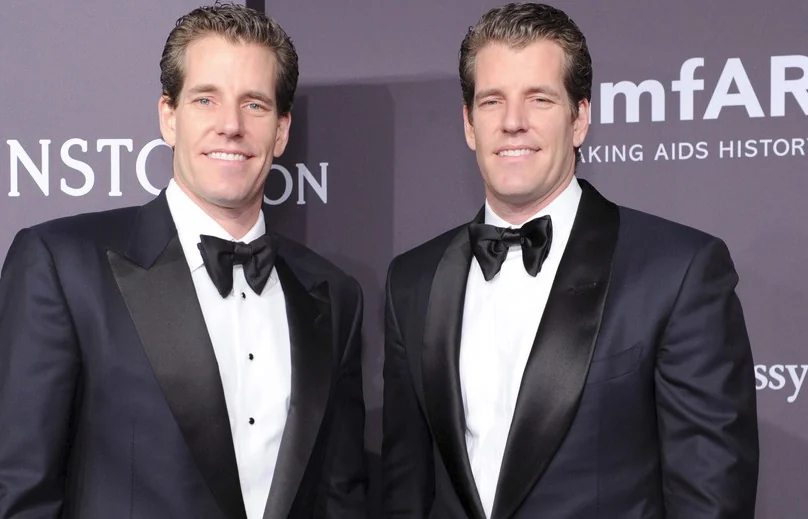
Cameron and Tyler Winklevoss, the founders of cryptocurrency exchange Gemini, are pressing Zcash to dissolve its community grants committee. The twins advocate for transferring spending authority directly to ZEC token holders.
Their intervention arrives amid intensifying scrutiny of the committee’s financial reserves. Zcash cofounder Sean Bowe recently placed the treasury’s value north of $125 million.
Gemini Founders Challenge Committee’s Accountability Framework
Cameron Winklevoss took to X on October 30 to argue that Zcash shouldn’t pursue experimental governance models. He pointed out that stakeholder voting has functioned in traditional capital markets for hundreds of years, with token holder voting serving as its blockchain equivalent.
“Experimenting in governance is not part of the Zcash mission. Its mission is privacy,” he stated. He proceeded to advocate for discontinuing Zcash Community Grants, abbreviated as ZCG.
Tyler Winklevoss echoed these sentiments on the same date. He contrasted miners, who invest their own capital and computational resources to receive rewards, with committee members who bear no comparable risk when funded initiatives don’t succeed.
Tyler characterized the committee as a “slush fund with no accountability.” He contended that the framework promotes wasteful expenditure and creates conflicts of interest, asserting that Zcash could operate effectively without it.

Developer Community Pushes Back on Funding Critique
The Winklevoss position hasn’t achieved universal acceptance. Developer Vini Barbosa countered that community grants represent an equitable compensation method for network-beneficial work, similar to how mining rewards compensate security provision.
Tyler dismissed this parallel. He maintained that mining rewards emerge from quantifiable competition, whereas grants derive from committee discretion.
The controversy follows backlash against a $550,000 outreach initiative that ZCG greenlit in August. The ZECsy project outlined plans for attendance at adult industry conventions, cryptocurrency conferences, and educational sessions for individuals experiencing banking exclusion.
The committee allocated approximately $461,500 for the initiative’s initial nine monthly benchmarks. Advocates believed it could reach populations requiring financial privacy, while skeptics questioned whether sustained adoption would result.
Tyler also maintained that governance discussions shouldn’t remain confined primarily to Zcash forums. He suggested X provides a more transparent platform and that individuals shouldn’t face blocking for questioning existing arrangements.
The present configuration allocates 20% of Zcash block rewards toward ecosystem development. ZCG captures 8%, while the Coinholder-Directed Retroactive Grants Program receives the remaining 12%.
Last September, ZEC holders authorized $8.39 million in retroactive compensation for 17 out of 37 submissions. Approximately 2.18 million ZEC participated, representing 10.4% of the 21 million maximum token supply.
An October 27 analysis referenced Grayscale research that attributed Zcash’s funding architecture to supporting privacy and security enhancements throughout the previous decade. Grayscale research head Zach Pandl identified quantum computing, transaction throughput, and cybersecurity as domains requiring additional investment.
Also on October 27, Bowe put forward a plan to redirect ZCG’s 8% allocation of block subsidies toward the Network Sustainability Mechanism. Outstanding grant obligations would receive priority fulfillment, while the coinholder program would maintain its 12% portion.
No modification to ZCG’s funding has received approval. Bowe’s suggestion would necessitate a subsequent network upgrade for implementation.
The coinholder program’s upcoming cycle welcomes submissions from October 30 through November 13. The voting period is scheduled from December 17 to December 29.
Get 3 Free Stock Ebooks
Discover top-performing stocks in AI, Crypto, and Technology with expert analysis.
- Top 10 AI Stocks - Leading AI companies
- Top 10 Crypto Stocks - Blockchain leaders
- Top 10 Tech Stocks - Tech giants


