


TLDR
- QCOM rises as Qualcomm’s edge AI wildfire project gains attention.
- Qualcomm joins SDG&E and Scripps to speed wildfire risk alerts.
- Edge Alert Sentinel brings real-time AI closer to wildfire zones.
- Qualcomm’s Dragonwing chip powers new wildfire response system.
- QCOM gains as edge AI project boosts industrial growth narrative.
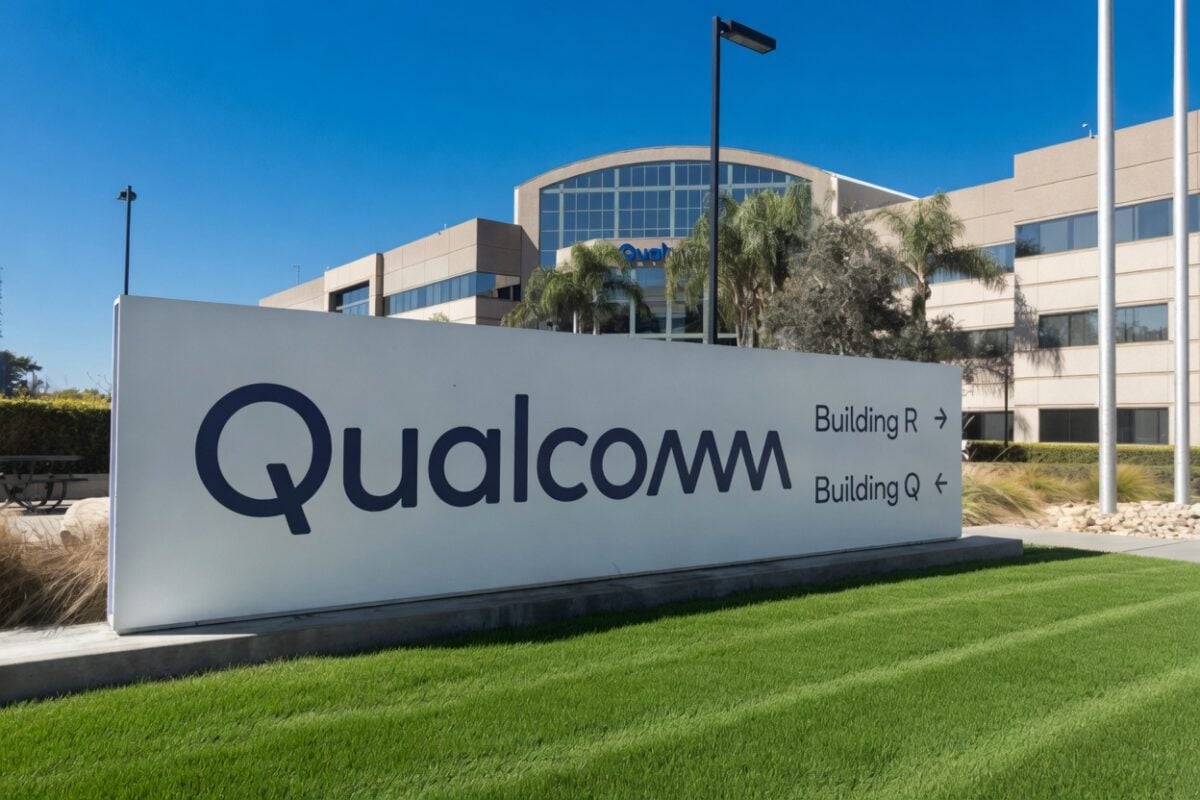
QUALCOMM (QCOM) stock gained fresh attention after Qualcomm Technologies joined SDG&E and UC San Diego’s Scripps Institution of Oceanography on Edge Alert Sentinel. QCOM closed at $217.77, up 0.85%, then rose to $227.01 after hours, gaining 4.24%. The move followed a late-session breakout as the collaboration added a clear edge AI angle to Qualcomm’s industrial growth story.
Qualcomm Pushes Edge AI Into Wildfire Response
Edge Alert Sentinel brings artificial intelligence closer to wildfire and extreme-weather risk zones in Southern California. The system will process local weather, wind, and environmental data directly at the point of collection. As a result, utility teams can receive faster alerts when field conditions change.
The first deployment will sit on Mt. Palomar, a key location for regional weather monitoring. The system will analyze live conditions that can influence wildfire behavior and grid safety. The project aims to reduce dependence on remote cloud processing during urgent events.
Southern California faces high wildfire risk because of Santa Ana winds, drought, and varied terrain. These factors can shift conditions quickly and create challenges for utilities and emergency teams. Therefore, faster local analysis can support earlier action during dangerous weather events.

Dragonwing Platform Anchors Real-Time Data Processing
Qualcomm Technologies will support the project through on-device AI processing and edge-computing architecture. The deployment uses a ruggedized edge AI gateway powered by the Qualcomm Dragonwing IQ9 processor. The chip includes a neural-processing unit with up to 100 trillion operations per second.
Edge Impulse, a Qualcomm company, will provide the MLOps platform for on-device models. These models will help forecast conditions that may affect grid infrastructure near residential areas. Moreover, alerts can move through SDG&E’s private cellular network to its control center.
This structure gives field devices more direct intelligence without waiting for distant data centers. It also supports faster movement from observation to action when weather changes quickly. Hence, the collaboration links sensing, connectivity, and local AI into one operational response system.
SDG&E And Scripps Add Regional Context
SDG&E brings utility operations, grid infrastructure, and weather-data networks to the project. The company has long used preventive tools to reduce wildfire risk across its service region. Additionally, its control systems give the project a direct path into real utility operations.
Scripps Institution of Oceanography adds scientific depth through long-running atmospheric observations in San Diego County. Its historical data can strengthen models that assess wildfire and extreme-weather risk. The project combines field deployment with climate science and local weather records.
The collaboration also extends beyond environmental monitoring and into grid inspection. Qualcomm Technologies and SDG&E plan to apply AI on field devices for autonomous aerial operations. This wider use case supports Qualcomm’s role in industrial edge AI, while QCOM’s stock reaction showed stronger market interest.
Get 3 Free Stock Ebooks
Discover top-performing stocks in AI, Crypto, and Technology with expert analysis.
- Top 10 AI Stocks - Leading AI companies
- Top 10 Crypto Stocks - Blockchain leaders
- Top 10 Tech Stocks - Tech giants


